
The short version:
- The Seiko NH35 wholesale price has climbed from around $43 in 2018 to roughly $59 by April 2026, based on UK distributor Cousins’ catalog.
- Lead times have stretched from weeks to months, and backorders that were framed as temporary in 2021 are now routine.
- Seiko Group’s watch division grew around 27 percent in the fiscal year ending March 2026, and Seiko’s own lines draw from the same NH3x production run third-party brands rely on.
- Microbrands are switching to the Miyota 8215, which costs roughly 40 percent less but gives up hand-winding and adds a stuttering seconds hand.
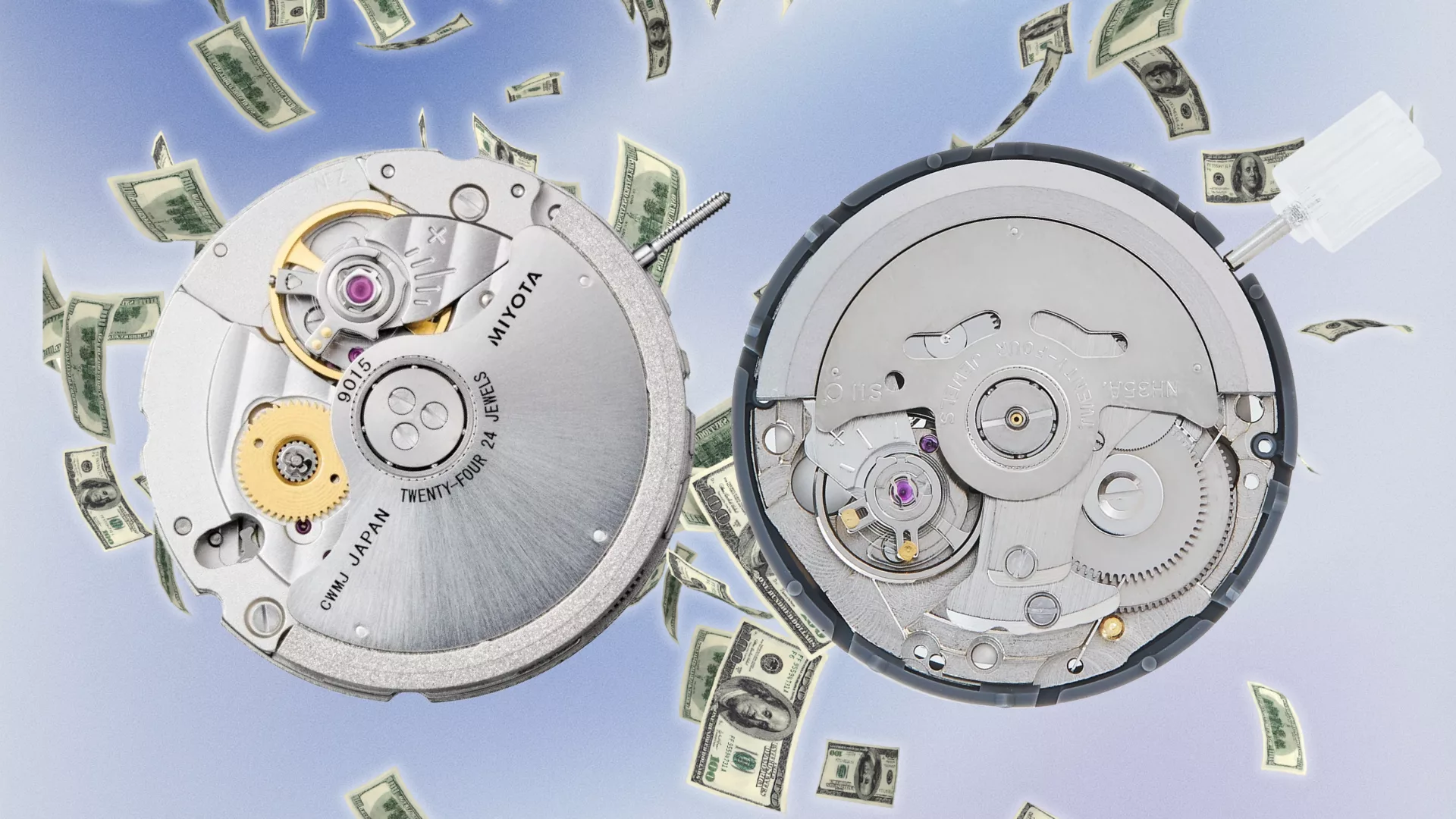
The cheap, dependable automatic movement that used to anchor every entry-level microbrand watch is no longer cheap or dependable to source. Across the board, from the Seiko NH35 to the Miyota 9000 series, wholesale prices are climbing and lead times are stretching out. The NH35 is the clearest example, but it is not an isolated case. It is one visible symptom of a wider squeeze on the movements that make affordable mechanical watches possible.
How Much Has the NH35 Price Increased?
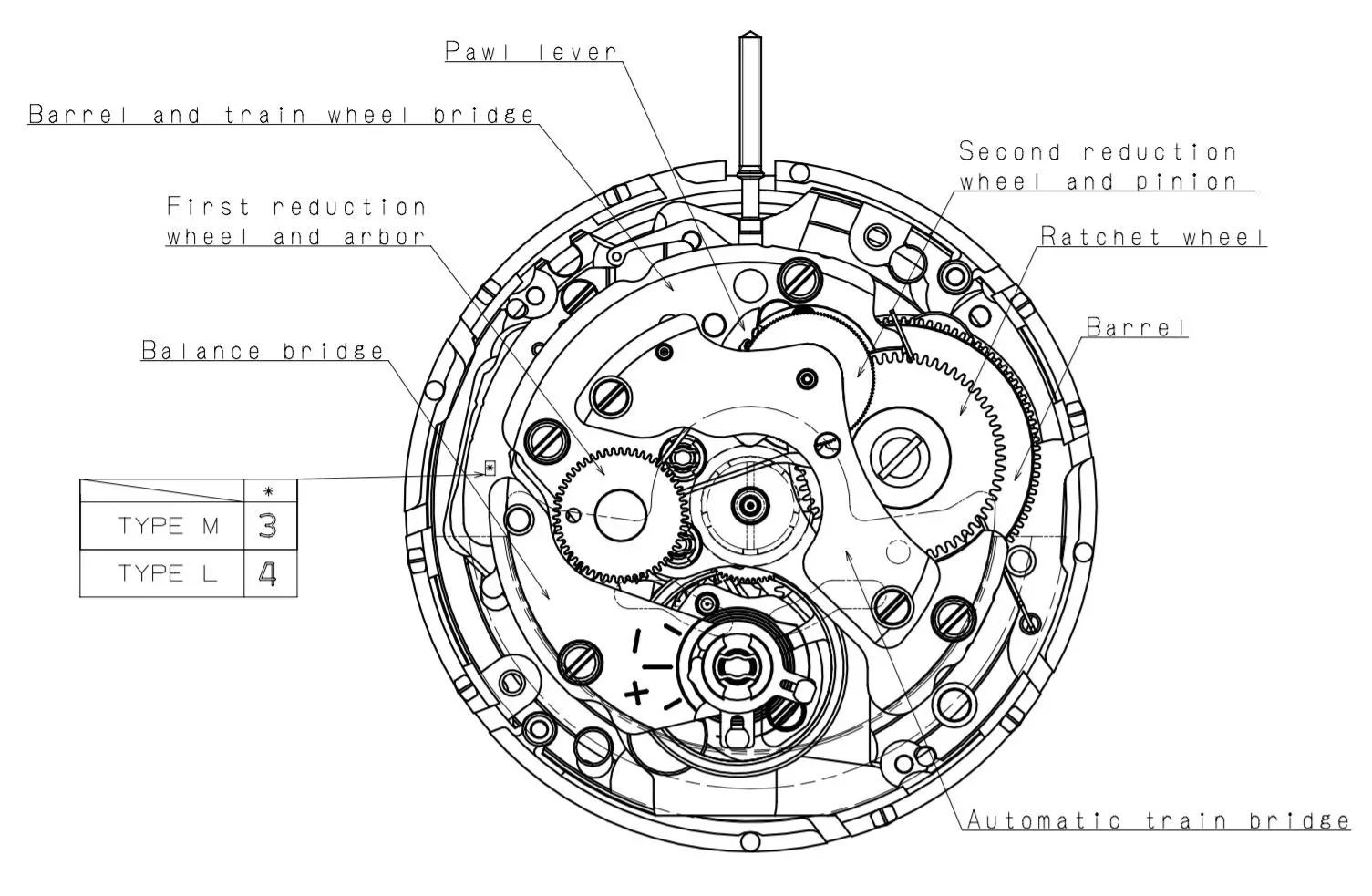
A Seiko NH35 cost around $43 wholesale in 2018, based on UK distributor Cousins’ catalog. By May 2025 it was about $51. By April 2026 it was roughly $59. That is a steady climb, but the sharper detail is what happened between April and May of this year: the price went from about $48 to $59 in a matter of weeks. That is not a gradual cost increase working its way through a supply chain. That is a $40 part suddenly acting like a $60 part.
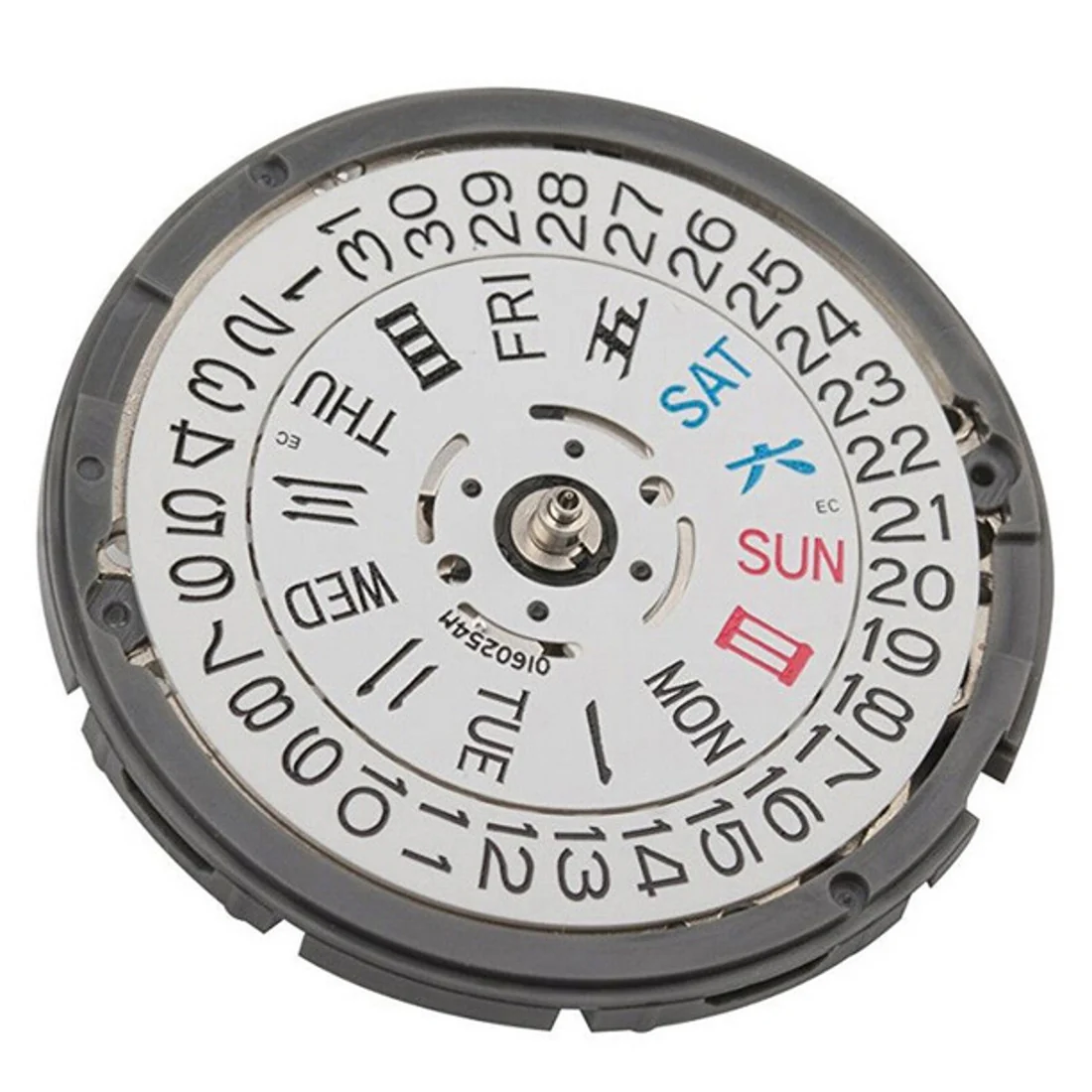
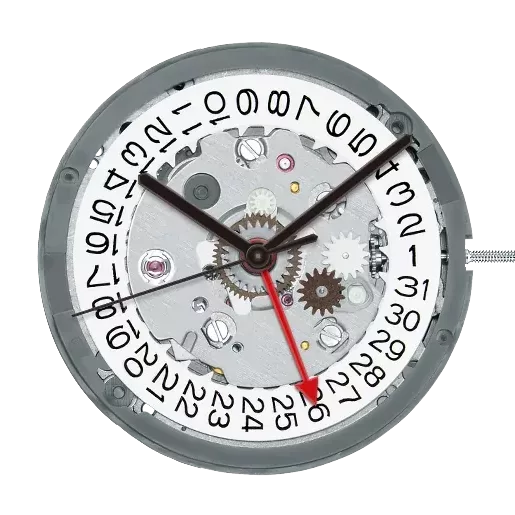
The GMT variant, the NH34, and the day and date version, the NH36, appear to carry even bigger markups on top of that base increase, based on discussion among people who actually source these movements in bulk. Independent reports across forums put the broader increase at 30 to 40 percent over one to two years, which lines up closely with the Cousins numbers. That agreement across separate sources is what makes this look like a real trend and not one distributor having a bad year.
The Miyota 9015 is harder to pin down because it is rarely sold loose in large volume, so there is no clean public price list the way there is for the NH35. But people who do source it report similar 30 to 40 percent increases over the same period. Watches built around it rarely start below $300 retail. It was already the pricier option before any of this started, and the gap has widened since.
Why Are NH35 Movements Getting More Expensive?
The simplest explanation is that Seiko is selling more watches, and its own watches come first. Seiko Group’s watch division grew around 27% in the fiscal year ending March 2026, to roughly ¥203 billion. Its in-house lines (Presage, Prospex, or Seiko 5, the same family we compare against Orient and Citizen in our Seiko 5 vs Orient Bambino vs Citizen Promaster guide) pull from the exact same NH3x production run that third-party brands rely on. Time Module Inc., the Seiko Instruments subsidiary that builds these movements in Japan and Malaysia, fills its parent company’s orders first. Whatever is left goes to outside buyers, and outside buyers are the ones paying more and waiting longer.
Watch modders add a second layer of demand most people never think about. The NH35 became the standard movement for building custom watches years ago, because it is cheap and fits countless Seiko-style cases. That created a steady stream of demand competing with microbrands for the same limited supply, one that nobody at Seiko had to plan for. It just grew on its own.
Then there is the aftermath of COVID, which never fully cleared. Japan had factory slowdowns and shipping delays starting in 2020, and while the worst of that passed, the longer lead times it created stuck around. People sourcing movements in 2026 report waits running into many weeks, sometimes months, with backorders that were supposed to be temporary now looking closer to permanent. A weaker yen makes the raw materials pricier to begin with. International shipping and customs costs never dropped back to pre-2020 levels either. None of these on their own would matter much. Together, they explain how a $40 part became scarce and expensive at the same time, which almost never happens with something this basic.
There is also a theory some buyers hold that is harder to prove but worth naming: that Seiko’s pricing is not purely about cost, but is also a way of nudging brands toward pricier options, either paying more for the NH3x or moving up to a Miyota 9000-series or Swiss movement instead. I cannot confirm what Seiko intends internally. But the practical effect is the same regardless of intent: less of the cheap movement is reaching third parties than before.
Why Are Microbrands Switching to the Miyota 8215?
Faced with a pricier, slower NH35, a growing number of microbrands are reaching for the Miyota 8215 instead, and the reasons are concrete.
It is close enough in size to be worth the trouble. The 8215 measures about 26mm across against the NH35’s 27.4mm, so it is not a straight swap: a case built around the Seiko movement needs a new spacer ring, and dial feet and stem length have to be reworked. But both sit in the same 11.5-ligne class, and the case suppliers most microbrands use already tool for both. Switching means a new reference, not a new design. That is a very different proposition from moving to a Swiss caliber.
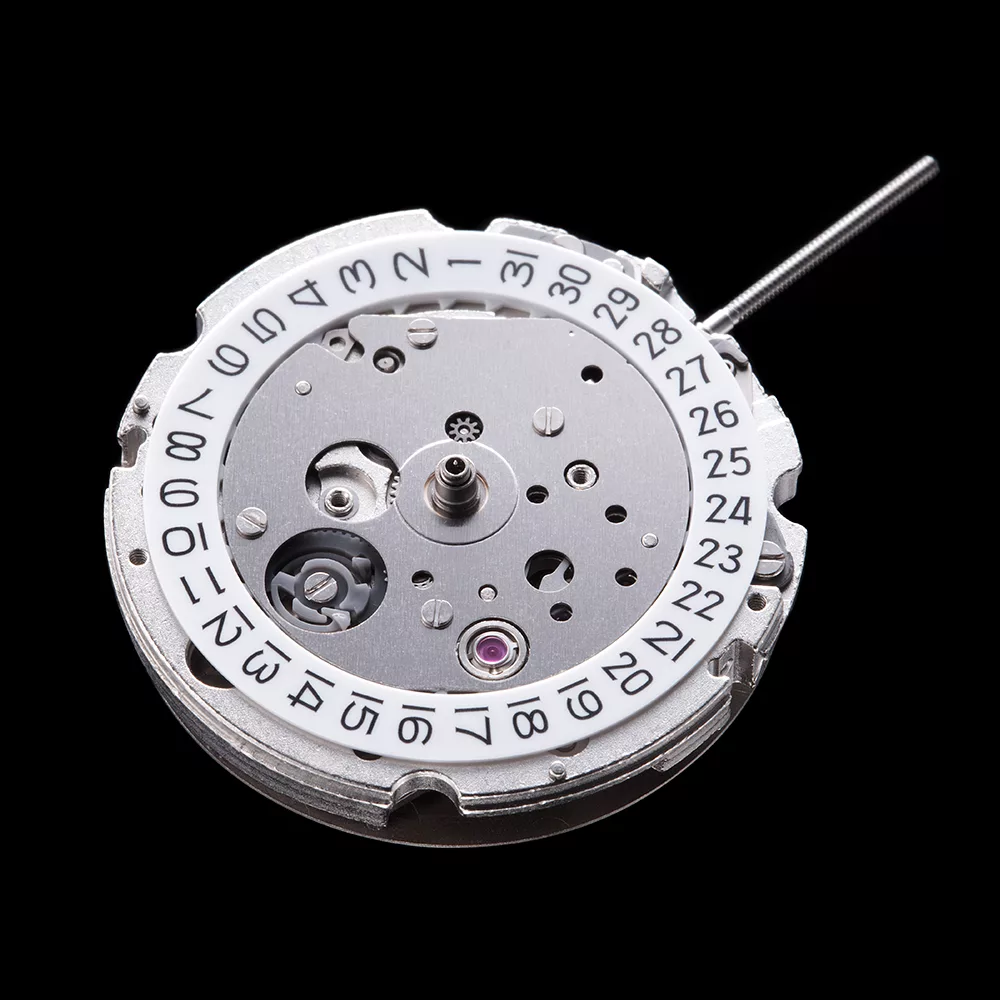
It also costs less, roughly $29 to $34 wholesale against $45 to $57 for the NH35. And Citizen’s supply chain for the 8xxx series has simply held up better through this period than Seiko’s has for the NH3x. Once a brand is paying for tooling changes anyway, the movement that actually arrives on time wins.
This is not new behavior, just accelerating. During the 2021 to 2022 holiday shortage, several brands already leaned on the Orient YN55 as a stopgap. Today the pattern is broader and less temporary. San Martin’s SN0034, a 37mm pilot watch, ships with an 8215 in a segment that would very likely have used an NH35 a few years back. AddiesDive, a Chinese microbrand, now lists both the NH35 and the 8215 as options at the same retail price on models like the AD2085, which is its own kind of signal: the movement inside is becoming a supply question rather than a product decision.
Is the Miyota 9015 Affected Too?
Yes, and this is where the story stops being about the budget tier.
Ixdao’s Warrior, one of the more talked-about releases of the past year, shipped with the Miyota 9015 and drew a following partly because of it. The brand has recently moved the model to the PT5000, a Chinese clone of the ETA 2824-2 built by HK Precision Technology, citing movement cost.
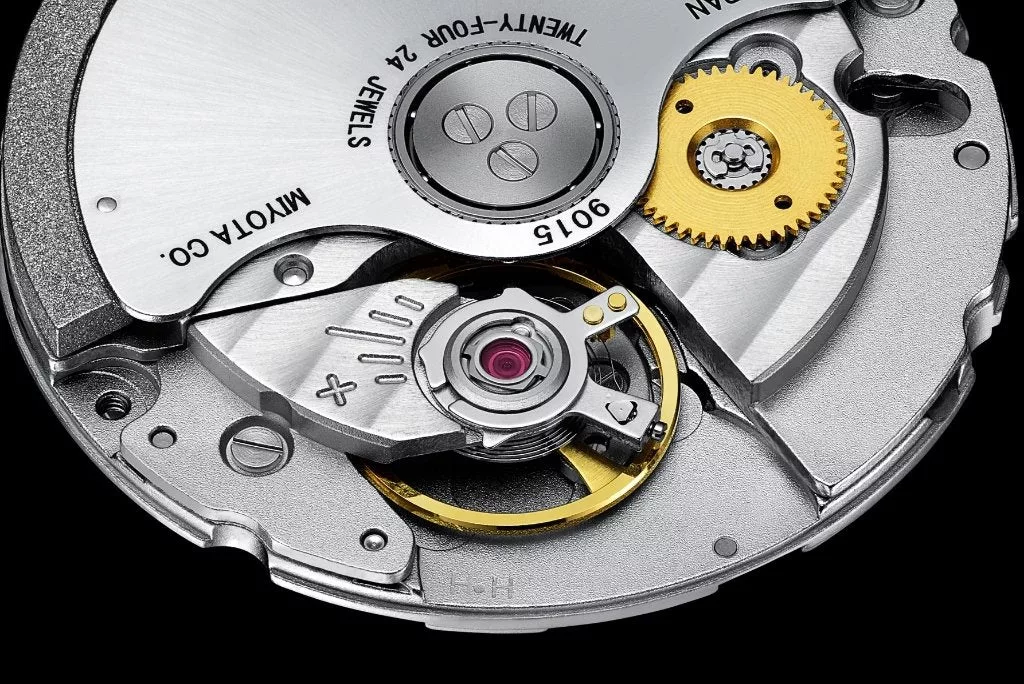
On paper the two are close. Both run at 28,800 vph, and the PT5000 carries one more jewel. The difference is thickness. The 9015 is 3.90mm; the PT5000 is 4.6mm. On a 37mm integrated-bracelet watch, where slimness is most of the appeal, that is not a rounding error. It is the reason someone chose the watch. There is a perception gap too: the 9015 is Japanese and well understood, while PT5000 regulation quality varies noticeably by supplier.
That is the clearest signal in this whole story. When a brand gives up the movement its audience specifically liked, cost pressure has stopped being a sourcing inconvenience and started being a design constraint. And it means the pattern runs down every rung of the ladder at once: the NH35 pushes brands toward the 8215, and the 9015 pushes them toward Chinese clones.
NH35 vs Miyota 8215 vs 9015 vs PT5000: Full Spec Comparison
Here is the comparison in real terms, using the movement’s own factory specs.
| Seiko NH35 | Miyota 9015 | Miyota 8215 | PT5000 | |
|---|---|---|---|---|
| Power reserve | ~41+ hours | ~42 hours | ~42 hours | ~38–42 hours |
| Beat rate | 21,600 vph | 28,800 vph | 21,600 vph | 28,800 vph |
| Accuracy | -20/+40 sec/day | -10/+30 sec/day | -20/+40 sec/day | -10/+30 sec/day |
| Jewels | 24 | 24 | 21 | 25 |
| Hacking seconds | Yes | Yes | Depends on variant | Yes |
| Hand-winding | Yes | Yes | Depends on variant | Yes |
| Diameter | 27.4mm | 26.0mm | 26.0–26.2mm | 25.6mm |
| Thickness | 5.32mm | 3.90mm | 5.67mm | 4.6mm |
| Wholesale cost | ~$45–59 | ~$60–70 (estimate) | ~$29–34 | ~$30–50 |
Just a couple of years ago this was unthinkable: a PT5000 movement (basically a clone of a Swiss movbement) being more attainable than a NH35.
The 8215 matches the NH35 on beat rate and on Miyota’s own stated accuracy, so the spec sheet gap is narrower than people assume. What you lose is refinement elsewhere. It also runs 0.35mm thicker, carries three fewer jewels, and drives its seconds hand indirectly, which produces the stutter the caliber is known for, cosmetically odd, harmless to timekeeping. Its unidirectional rotor is audible in a way the NH35’s is not. On hacking, Miyota began adding a stop-seconds device to parts of the 82xx family around 2018 to 2019, but not across every caliber or every run, so it depends on the variant a brand actually sourced.
None of that makes it a bad movement. It makes it a blunter tool than what buyers got used to expecting from the NH35 at this price.
Against the 9015 the gap is bigger. Higher beat rate, better stated accuracy, dramatically thinner case profile. But the 9015 costs more too, and its price has moved in the same direction as everything else here.
Who Actually Pays for This
Microbrands feel it first, in margin. A part that used to be the cheapest line in the bill of materials is now one of the pricier ones, and that forces a decision: raise the retail price, shrink the margin, or switch movements and accept a slightly less refined base. Buyers feel it second, usually without realizing why. A watch that would have carried an NH35 two years ago might now have an 8215 at the same price, and most brands do not explain that the swap was about sourcing, not design choice.
My honest take is this favors brands willing to say plainly which movement is inside and why, over ones that quietly downgrade and hope nobody checks the spec sheet. A well-built case around an 8215 is still a perfectly good watch. What buyers deserve is knowing what they are actually getting, especially now that the answer has more to do with Seiko’s production priorities than with anything a brand chose on its own.
Where This Might Land
There is one development worth watching. Ronda, the Swiss firm best known for quartz, released the R01 in 2026: 80 hours of power reserve, a full silicon escapement, a free-sprung balance, and accuracy grades reaching -2/+4 seconds per day, at 139 CHF, around $170. That is not cheap. It is roughly triple a Miyota 9015 in normal conditions.
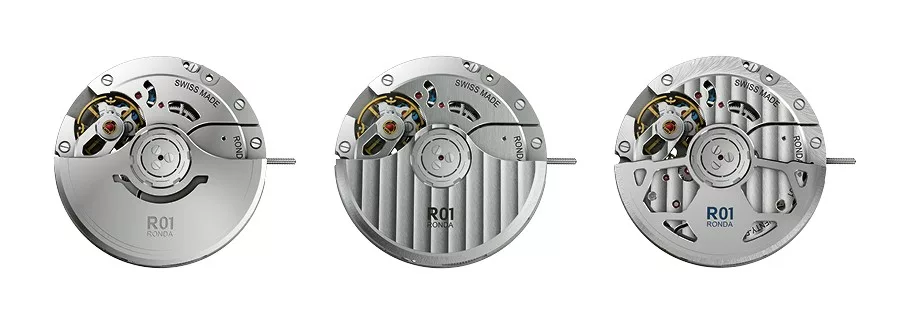
But normal conditions are the thing that stopped applying. If the 9015 drifts toward $100 under shortage pricing, as some sourcing reports suggest, the gap to a Swiss movement with silicon parts and three days of reserve stops looking absurd and starts looking like a decision. At 28.20mm it is wider than anything discussed here, so it means a new case rather than a new reference, and that alone will keep it out of the entry tier for now.
The point is not that microbrands will switch to the R01 tomorrow. It is that the ladder now has a rung above Miyota that did not exist two years ago, and every price increase below it makes that rung easier to reach. We covered the caliber in full in our Ronda R01 movement breakdown.