
I judge a watch by what it is like to live with, not by what its spec sheet promises, and that habit has saved me from more bad purchases than any review I have read. Compare what the same money bought a decade ago and the gap is real: better movements, stronger finishing, real bracelets, sapphire crystals, tighter tolerances, and a whole generation of independent brands that didn’t exist before. But the market also got noisier.
Spec sheets dominate the conversation, social media rewards hype over long-term ownership, and a lot of first-time buyers chase features instead of understanding how a watch actually feels after a year on the wrist.
This affordable watches guide is built to cut through that. Instead of just handing you rankings, it explains how to judge value properly: where brands actually spend money, which compromises matter and which don’t, and how to pick something you’ll still enjoy long after the new-purchase excitement fades.
A word on where this comes from. I have been buying affordable watches with my own money for years, and I have run PynionTime as an independent publication for the last couple of them, testing pieces on a 6.5-inch wrist from here in Spain. If you want the long version of the criteria behind every pick, what actually separates a good one goes through it properly, and how I test the watches I keep explains the process.
“Affordable” is a ceiling on compromises, not on price
Affordable gets stretched to mean anything from under $500 to under $2,000 depending on who is talking. A number alone does not define it. What defines it is whether the compromises were made intelligently, because in this segment there are always compromises.
Cheap watches exist at every price, and so do expensive watches that feel underwhelming. A watch can have sapphire, 200m and an automatic movement and still feel hollow because the bracelet rattles or the proportions are awkward. Another can run simpler specs and feel far more refined because the brand spent its money where your hand actually lands: case finishing, dial depth, crown feel, bracelet tolerances.
My Seiko 5 SNK385 is the clearest proof I own. It cost me about 140 euros, runs a humble 7S26 and has Hardlex rather than sapphire, and it still has more charm than plenty of watches I have handled at twice the price. The spec sheet had almost nothing to do with it.
The Foundations of a Great Affordable Watch
Movements matter less than buyers think
Movements dominate discussions because they’re easy to compare online, but they rarely decide whether a watch is enjoyable day to day. Most affordable watches run proven calibers from Seiko, Miyota, Sellita or Seagull; the real difference is how well the watch is designed around that movement. The automatic-versus-quartz debate is usually more emotional than practical: quartz is more accurate, lower maintenance and thinner, while a cheap automatic can add thickness and regulation quirks. The right answer depends on how you’ll actually wear it, not on prestige. More on that trade-off in our guide to Automatic vs Quartz Movements.
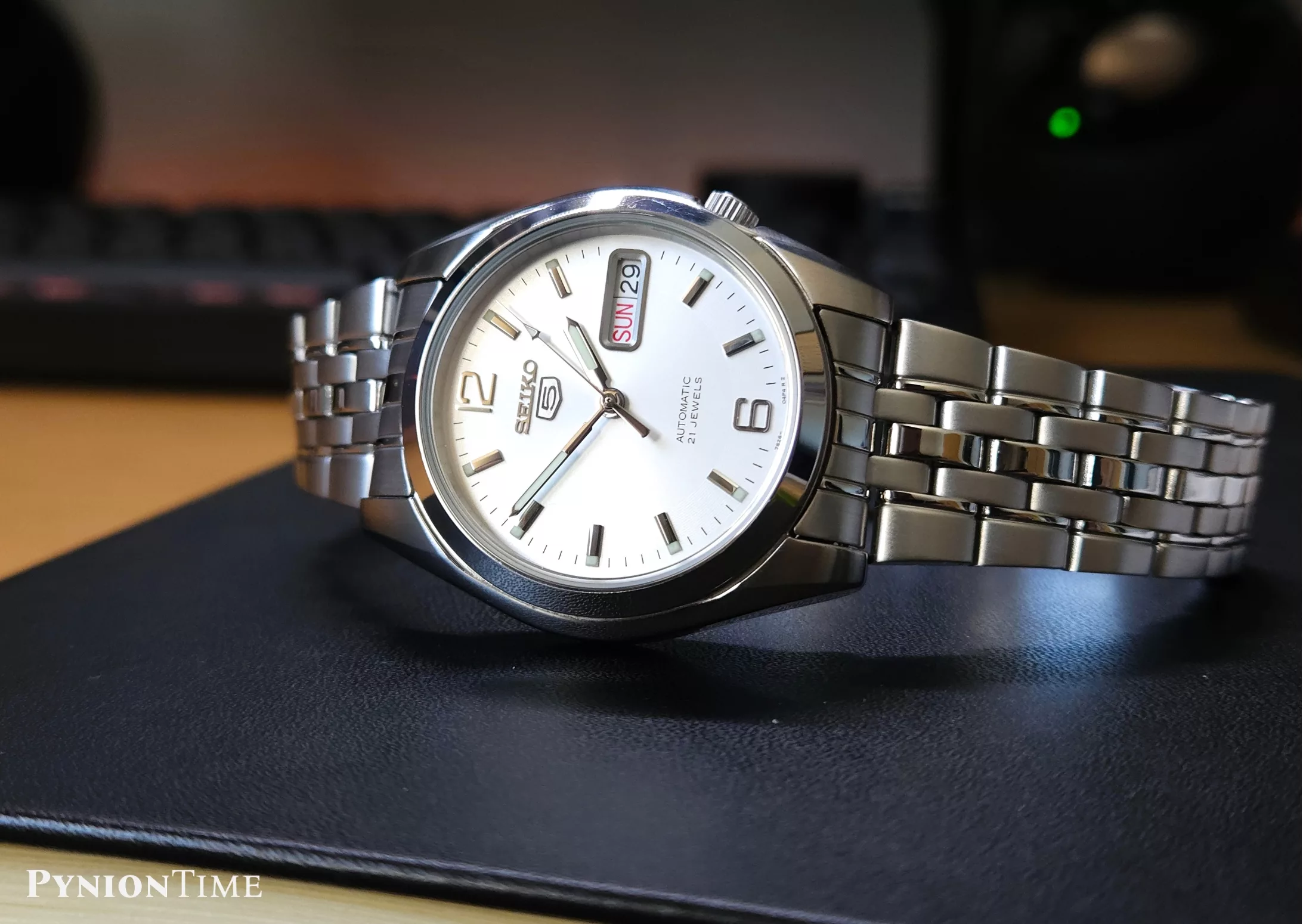
For what it is worth in the real world: my Seiko 5 SNK385 runs at around +20 seconds a day after a year of ownership, which is completely normal for a budget automatic and never bothers me. My quartz pieces, like the Watchdives Seafarer I own, are essentially set-and-forget. Neither is better, they simply suit different people and different days.
Finishing is where value becomes visible
You judge an affordable watch by what you see and touch every day, which is why finishing matters more than buyers expect. Case brushing, polished bevels, dial texture, handset quality, lume, bracelet tolerances: these decide whether a watch feels coherent or cheaply assembled. It’s also why a spec sheet misleads: sapphire alone guarantees nothing. A watch with great proportions and thoughtful finishing can feel more expensive than one with stronger specs but weaker execution.
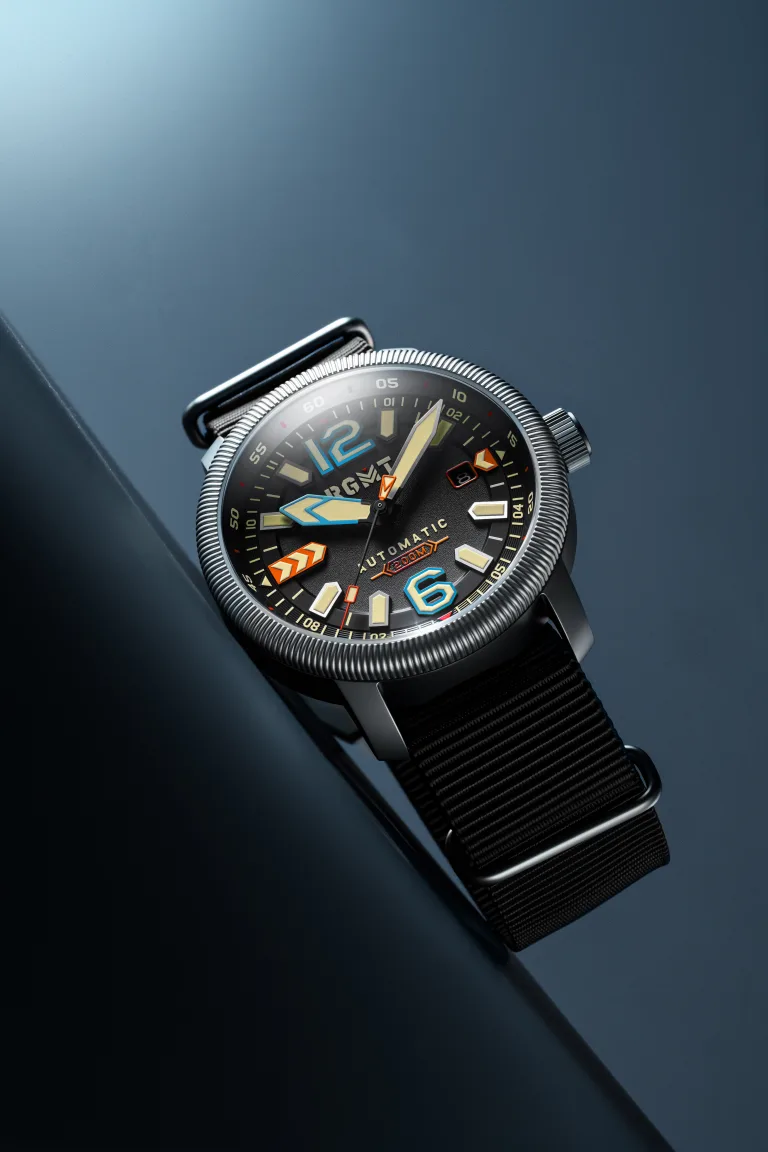
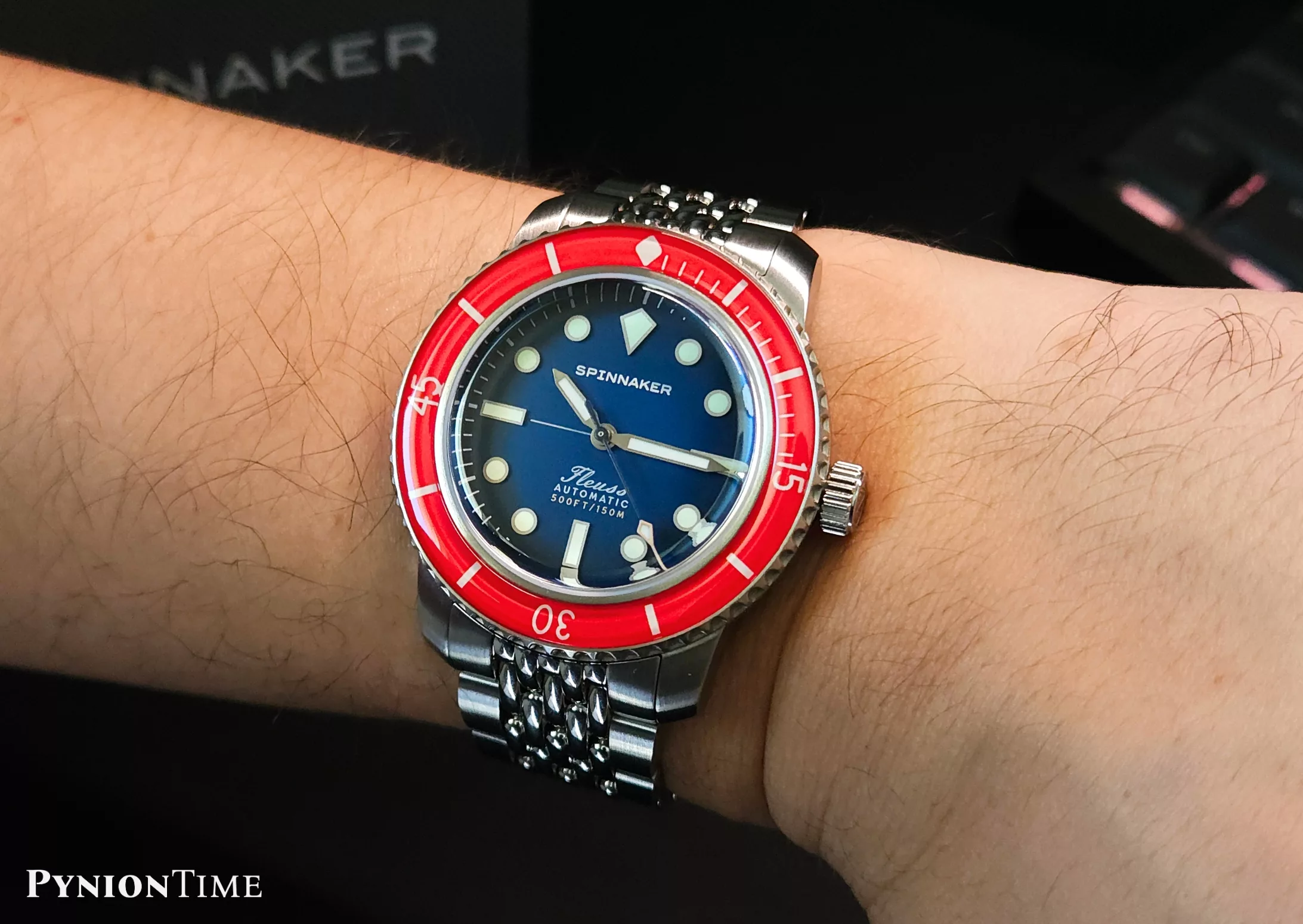
On my Spinnaker Fleuss, the applied indices and the way the sunburst dial shifts in the light do more for the watch in person than any line on its spec sheet, and none of that shows up in a product photo. That is the whole point: finishing is something you feel on the wrist, not something you can read.
Size and fit beat diameter numbers
Lots of affordable watches wear bigger than their listed diameter. Lug-to-lug, thickness, bezel width and bracelet taper change the feel completely: two 40mm watches can sit totally differently. This matters most when you buy online and can’t try first: some affordable divers look great on paper but get uncomfortable thanks to thickness or long lugs, while a modest field or dress watch proves far more versatile in real life.
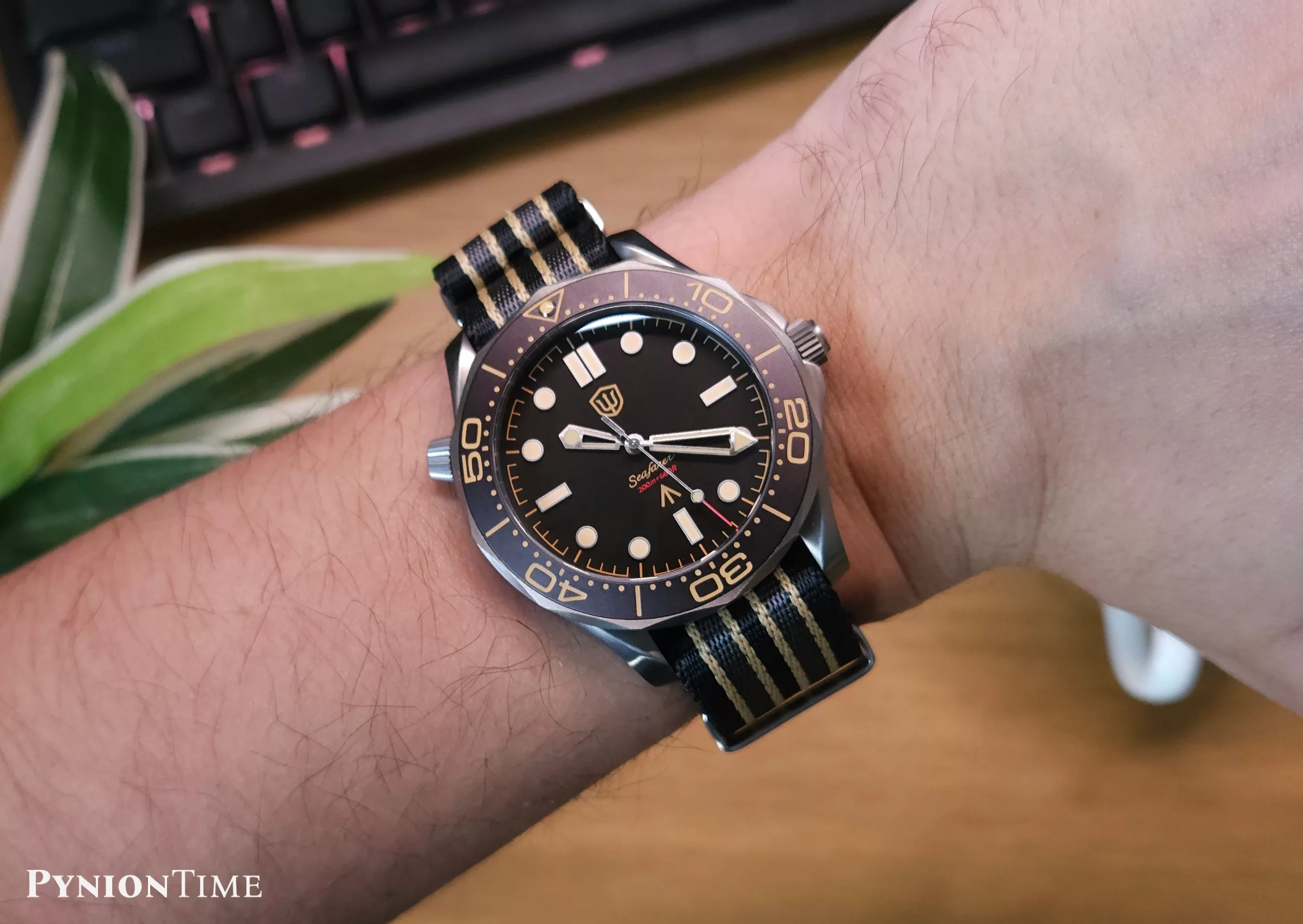
For reference, I have a 6.5-inch (16,5 cm) wrist, so fit is the first thing I notice. The Watchdives Seafarer is a good example: on paper it is a 42mm case, but with a 49.3mm lug-to-lug it wears closer to a 44, and on a smaller wrist that gap matters far more than the diameter on the box.
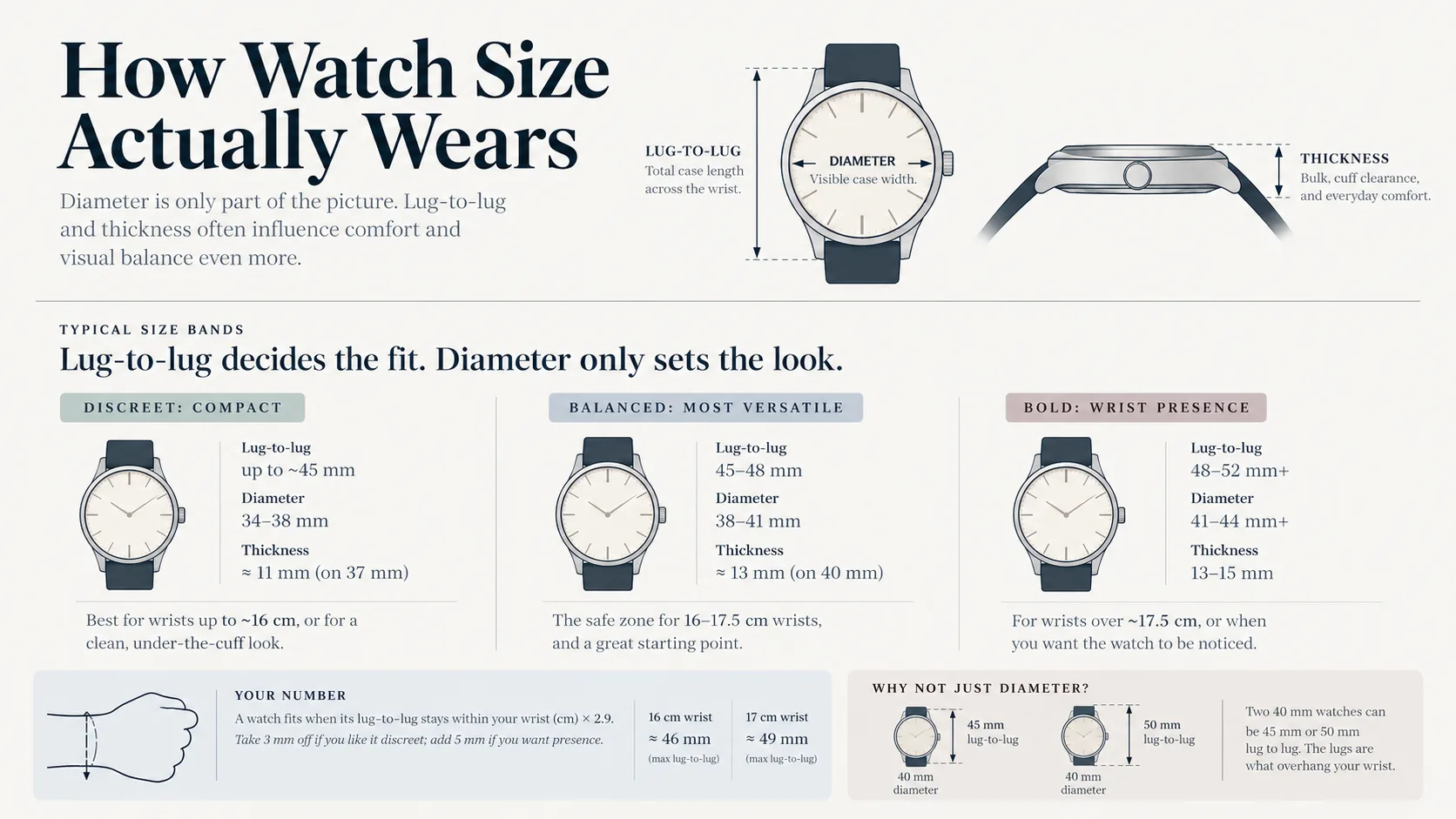
That is why I stopped shopping by diameter years ago. Lug-to-lug decides whether a watch fits; diameter mostly decides how it looks. The rule of thumb I use is simple: measure your wrist in centimetres and multiply by 2.9. That is roughly the longest lug-to-lug you can wear before the lugs start hanging over the edges. On my wrist that gives me about 48mm, which is exactly why the Seafarer’s 49.3mm feels big on me even though 42mm sounds perfectly reasonable.
Here is the cheat sheet I wish I had when I started: three size bands, the wrists they suit, and a quick way to work out your own limit.
Brand positioning changes what you pay for
Two brands can use near-identical movements and materials yet price wildly differently. Heritage names carry retailer margins, marketing, ambassadors and decades of brand equity; independents typically run lean, sell direct and spend less on overhead.
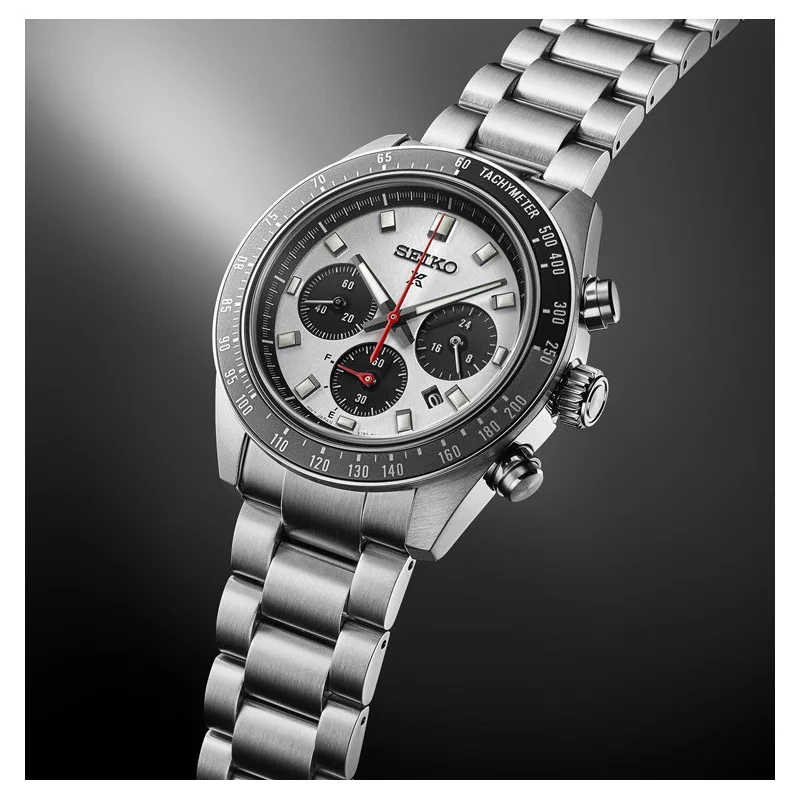
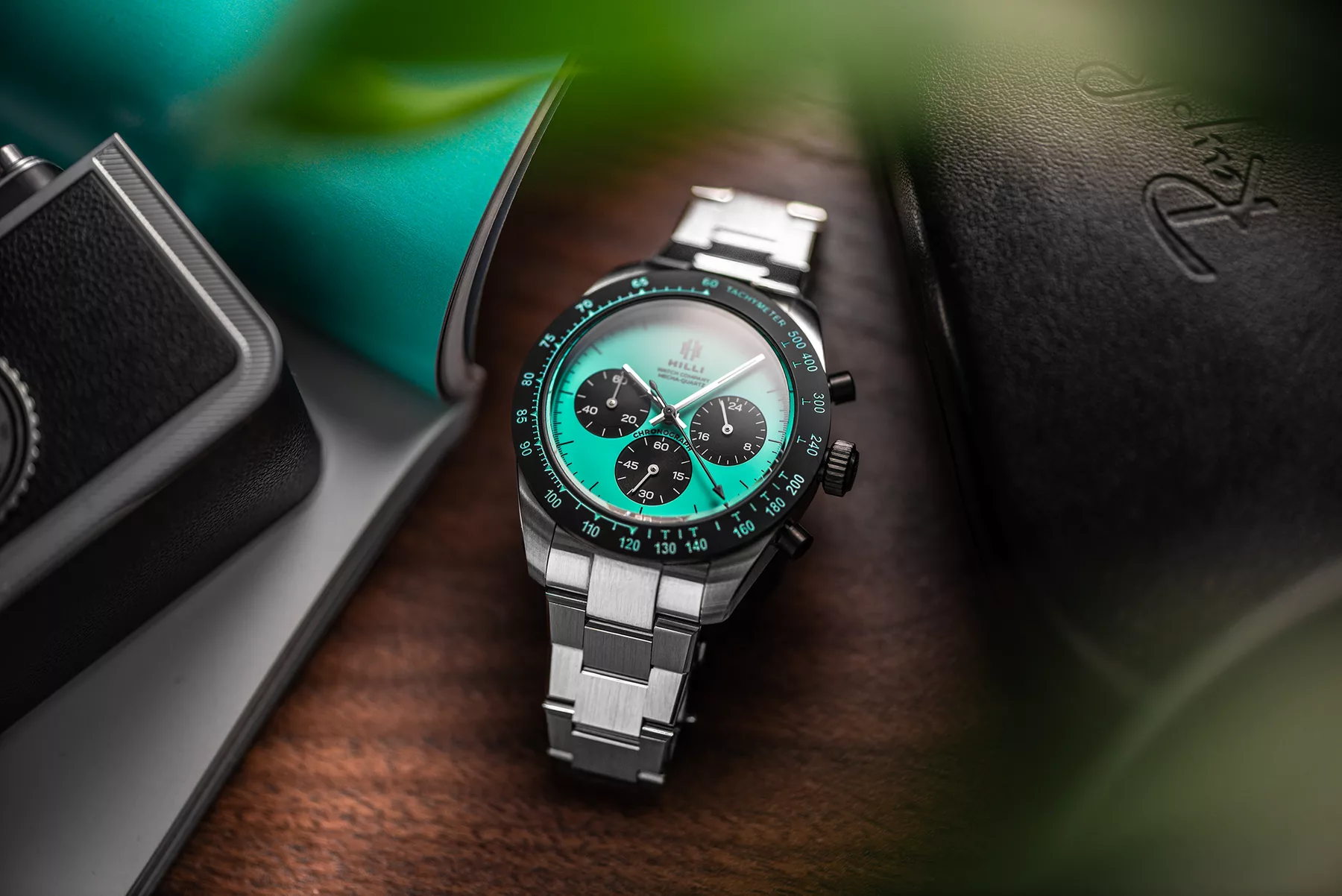
That’s why many of today’s strongest value propositions come from microbrands focused on finishing and enthusiast design rather than mass distribution. It doesn’t make microbrands automatically better, established brands still tend to win on long-term support, resale and consistency, but it explains why prices vary so much. Our guide to Microbrand Watches Explained covers how these brands operate and where they genuinely outperform.
Start from the kind of watch you actually want
Dive watches
Divers dominate the affordable market because the category is competitive enough to force brands to improve bracelets, lume and bezel action. The trap is the watches that chase a bigger water-resistance number and end up too thick to wear. Past roughly 14mm on my wrist a diver stops being an everyday watch and starts living in a drawer. The divers I would actually buy is the general shortlist.
If you want the ones that hold up as working tools rather than desk divers, the ones built to survive real use is the narrower list. And if legibility in the dark is the actual priority, tritium is the one thing regular lume cannot match, which is the case I make in tritium tubes instead of lume.
Field watches
Field watches rarely win spec-sheet fights and often become the most-worn watch you own. Slim cases, clean dials, light construction, legibility that never asks anything of you. Beginners skip them for being less dramatic than a diver and then come back to them a year later. The Timex Expedition above is the cheapest way in, and a solar field watch that never needs winding is the version I would pick for daily use. Getting a field watch as your first affordable buy actually makes a lot of sense.
Chronographs
Chronographs are hard to do well cheaply. Mechanical chrono movements are expensive, fiddly to regulate and force thicker cases, so most good options under $1,000 run meca-quartz. That is not a weakness. Modern meca-quartz pairs quartz reliability with a pusher feel close to mechanical, in a thinner and cheaper package. Where affordable chronographs make sense breaks down the choice, and if you specifically want the racing look, the panda dials worth having under five hundred is the focused list.
GMT watches
GMTs have gotten dramatically better at this price, though most of them are still sized for wrists larger than mine. Picking a second time zone sensibly covers what to look for beyond the complication itself.
Dress watches
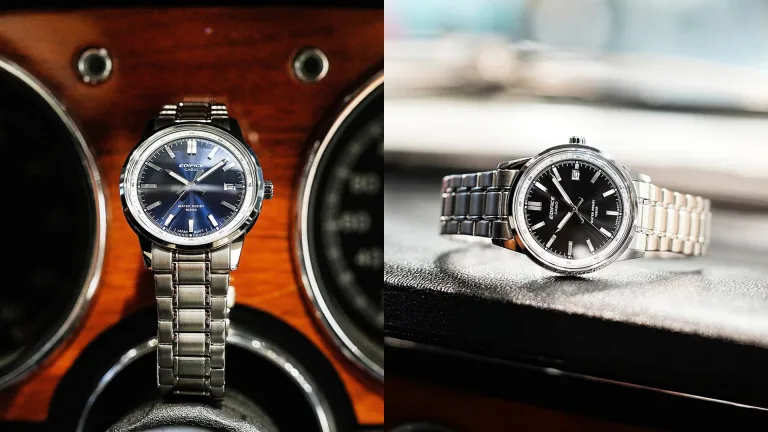
Dress watches expose weak design faster than anything else. Sport watches hide mediocre finishing behind specs; a minimal dial and a thin polished case hide nothing. That is why genuinely good affordable dress watches stay rare, and why the ones that work lean on restraint instead of complications. Beyond the Bambino, a dress watch that skips the clichés is the other one I keep pointing at.
Integrated bracelet sports watches
Integrated bracelet sports watches were a luxury-only shape until recently and now start under $500. An integrated bracelet done properly is the one I wore long enough to know where the compromises show up.
How much you actually need to spend
Under $300 has improved hugely and still needs filtering, because this is where the hardest compromises get made and not all of them are visible online. Thin bracelets, inconsistent QC, weak lume, awkward proportions. Be wary of anything that looks aggressively over-specced for the money, because it usually means corners were cut somewhere you cannot see. What survives under three hundred dollars is the filtered version.
$300 to $800 is the real sweet spot, and it is not close. Finishing takes a genuine step up, bracelets get stronger, proportions get more considered and consistency improves, all without luxury pricing. It is also where independents do their best work and where the smartest reinterpretations of famous designs live. Reinterpretations of the icons covers the ones that understand what made the original good instead of tracing it.
$800 to $1,000 is where returns start diminishing. Stronger bracelets, finer case finishing, better regulation, more consistency. Real improvements, but they show up in long-term ownership rather than on a spec sheet, and a $1,000 watch is not twice as satisfying as a $500 one. The strongest releases of last year (2025) is the roundup at that ceiling.
If you are wondering why the mechanical options keep creeping upward, why mechanical calibres keep getting pricier explains what changed on the supply side.
Affordable Watches Worth Your Money Right Now
These stand out because they deliver a convincing ownership experience for the price, each excelling somewhere different.
| Watch | Best for | Why it earns its place |
| Seiko 5 SNK385 | First mechanical watch | Charm and heritage well above its ~140 euro price; runs +20s/day after a year on my wrist |
| Orient Bambino | Affordable dress | Domed crystal and warm sunburst dial that look far pricier in person |
| Spinnaker Fleuss Royal Splash | Characterful microbrand diver | High-beat Miyota 9039 and a dial with real personality at $500 |
| Watchdives Seafarer (Ti) | Lightweight value | Grade-2 titanium and 200m for ~$150; the value shock of the bunch |
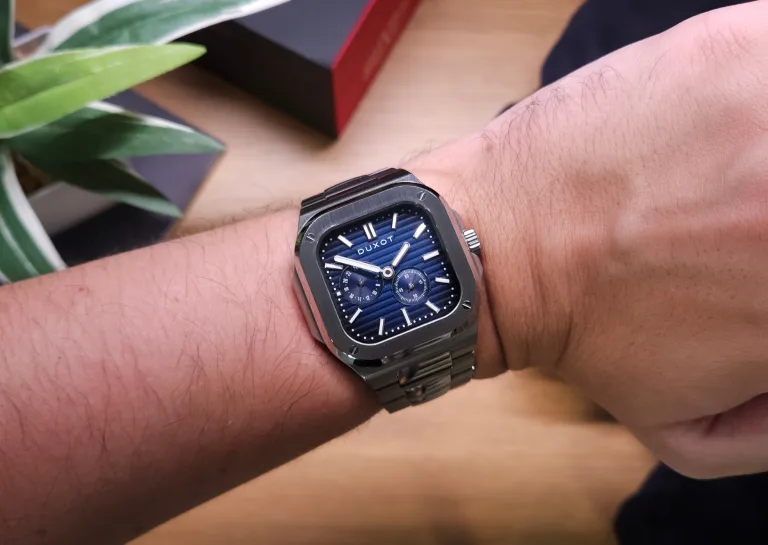
| Duxot Quadrata 24 Hour | Luxury feeling | Great finishing, a premium design, a very elegant dial and automatic, all under $300, enough said. |
If you are buying your first one
Start with the failure modes rather than the picks. The mistakes I see most often will save you more money than any recommendation on this page.
If you have narrowed it to the Japanese classics, the three usual starting points compared puts them side by side.
For a smaller wrist, where lug-to-lug and thickness matter more than diameter, I keep a separate list of watches sized for smaller wrists. And for the months when a steel bracelet becomes a liability, what I actually wear when it gets hot is the seasonal version.
Questions frequently asked
Are affordable watches reliable?
Most are more reliable than buyers expect. Calibres from Seiko, Miyota, ETA and Sellita have long track records, and manufacturing standards have risen sharply over the last decade. Reliability today depends more on quality control and sensible design than on price.
How long should an affordable watch last?
A well-built one lasts years with reasonable care. Quartz needs less maintenance, automatics may eventually need servicing depending on use, and long-term durability usually depends more on how it is worn than on what it cost.
Is sapphire crystal necessary?
Not always. Sapphire resists scratches better, but overall quality depends on far more than one material. My SNK385 has Hardlex and I have never once wished otherwise.
What accuracy is acceptable for an affordable automatic?
Most run around 10 to 20 seconds a day either way. Mine sits at about +20 after a year, which is typical and perfectly usable. Consistency matters more than chasing lab numbers.
Are microbrands safe to buy from? Many offer excellent value, especially between $300 and $800. Research warranty support, production consistency and reputation