
Seiko traces its history back to 1881, when Kintaro Hattori opened a shop in Tokyo’s Ginza district to sell and repair clocks. The company grew up alongside the city itself, and the founding philosophy Hattori left behind, “always one step ahead of the rest,” still shows up in Seiko’s own marketing copy nearly a century and a half later.
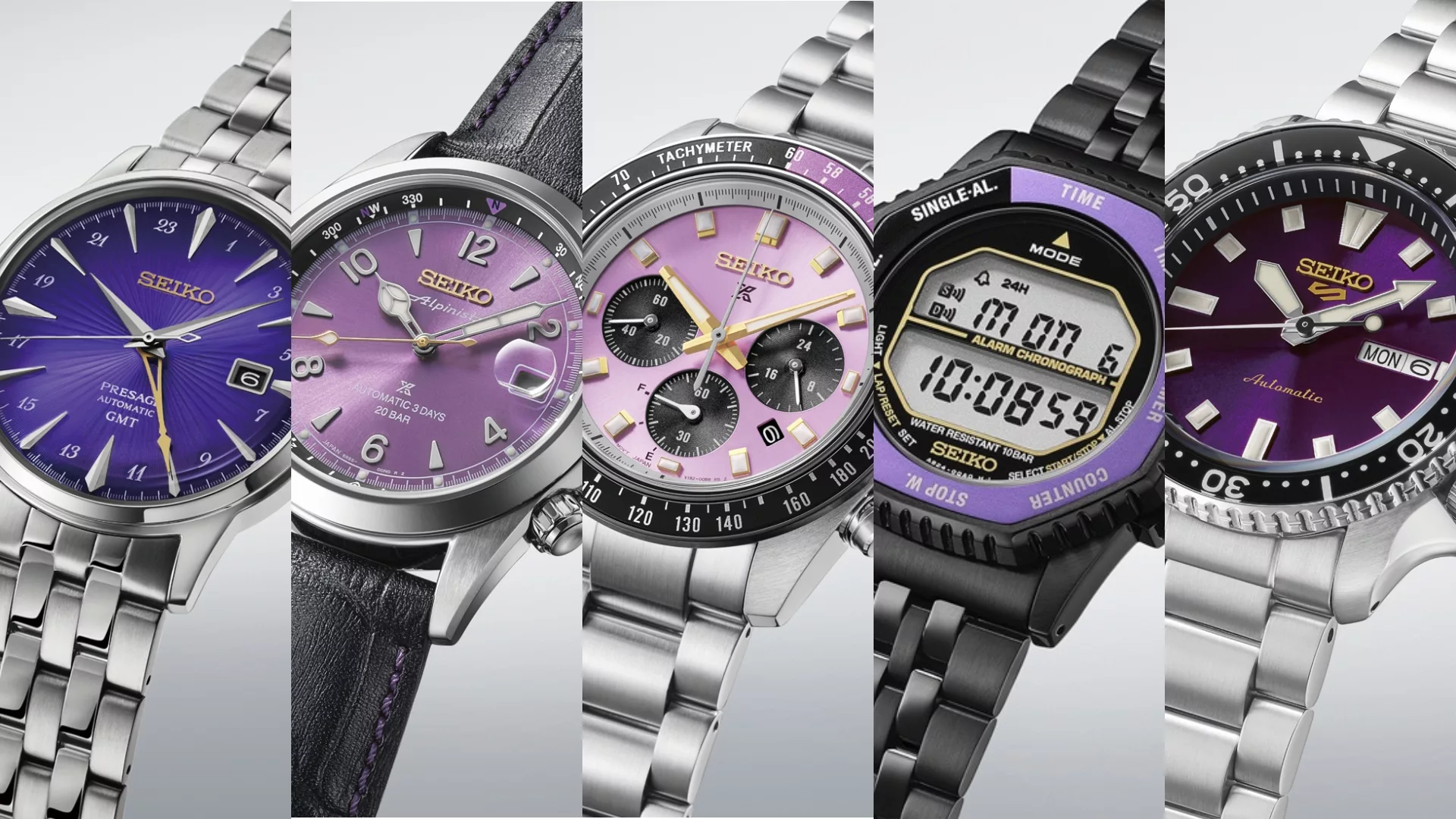
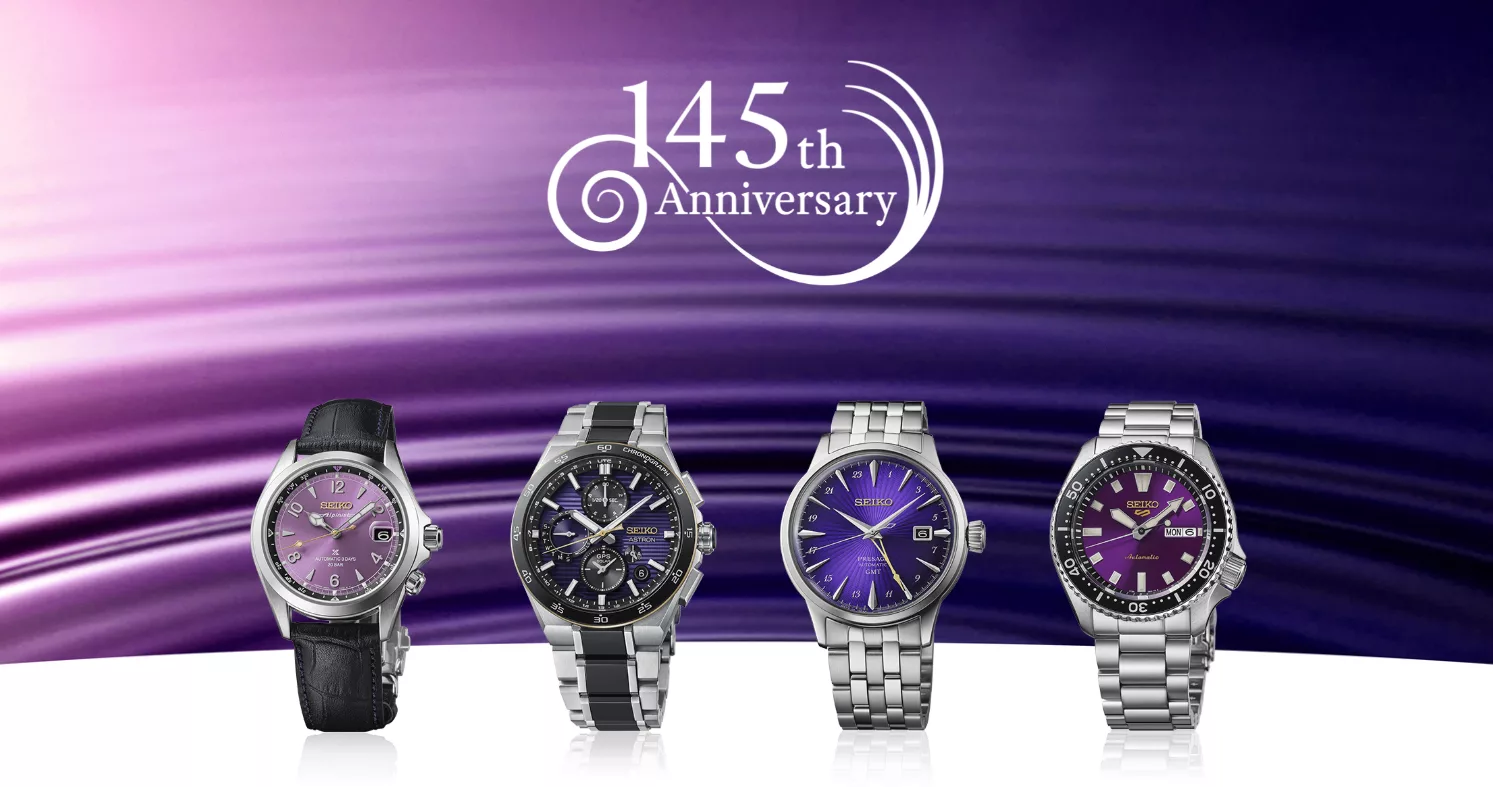
Edo Purple is the third of three anniversary themes this year, after gold and Seiko Blue series built mostly around King Seiko and Astron. This one drops King Seiko and finally brings in a 5 Sports and a Seiko Selection piece, making it the most accessible of the three. Seiko spread the celebration across six models, tying them together with Edo Purple, a shade tied to Tokyo’s Edo period, on an Alpinist, a solar Speedtimer chronograph, a Presage Cocktail Time, a Seiko 5 Sports SKX, and a revived 1980s digital watch known to collectors as the Rotocall.
One model in the series, the Astron GPS Solar Dual-Time Chronograph HAB011, sits at 3,000 euros in titanium and ceramic and sits well outside affordable territory, so it is not covered here. The remaining five stay between 450 and 980 euros, which keeps this squarely inside the range worth breaking down watch by watch, because each one tells a different story about what Seiko does well right now.
Edo Purple Is a Real Color
Seiko founder Kintaro Hattori opened his first shop in Tokyo’s Ginza district in 1881, which makes this year the company’s 145th. Edo is Tokyo’s former name, the city’s de facto capital under the Tokugawa shogunate from 1603 until 1868, when the Meiji Restoration moved the emperor there and the city was renamed Tokyo, or “Eastern Capital.” Rather than pick an arbitrary accent shade, Seiko went looking in that history and landed on Edo Murasaki, a traditional purple that took hold during the Edo period, when much of the city’s present-day cultural identity was formed.
Seiko has used purple dials before, but usually as a seasonal or regional exclusive rather than something tied to a documented shade with a name and a timeframe. Anchoring the collection in a real historical reference gives the release a story to tell beyond “new color, limited run,” and it is the kind of detail that separates a considered anniversary piece from a reflexive one.
Prospex Alpinist HBC006: The One With the Story Behind the Case
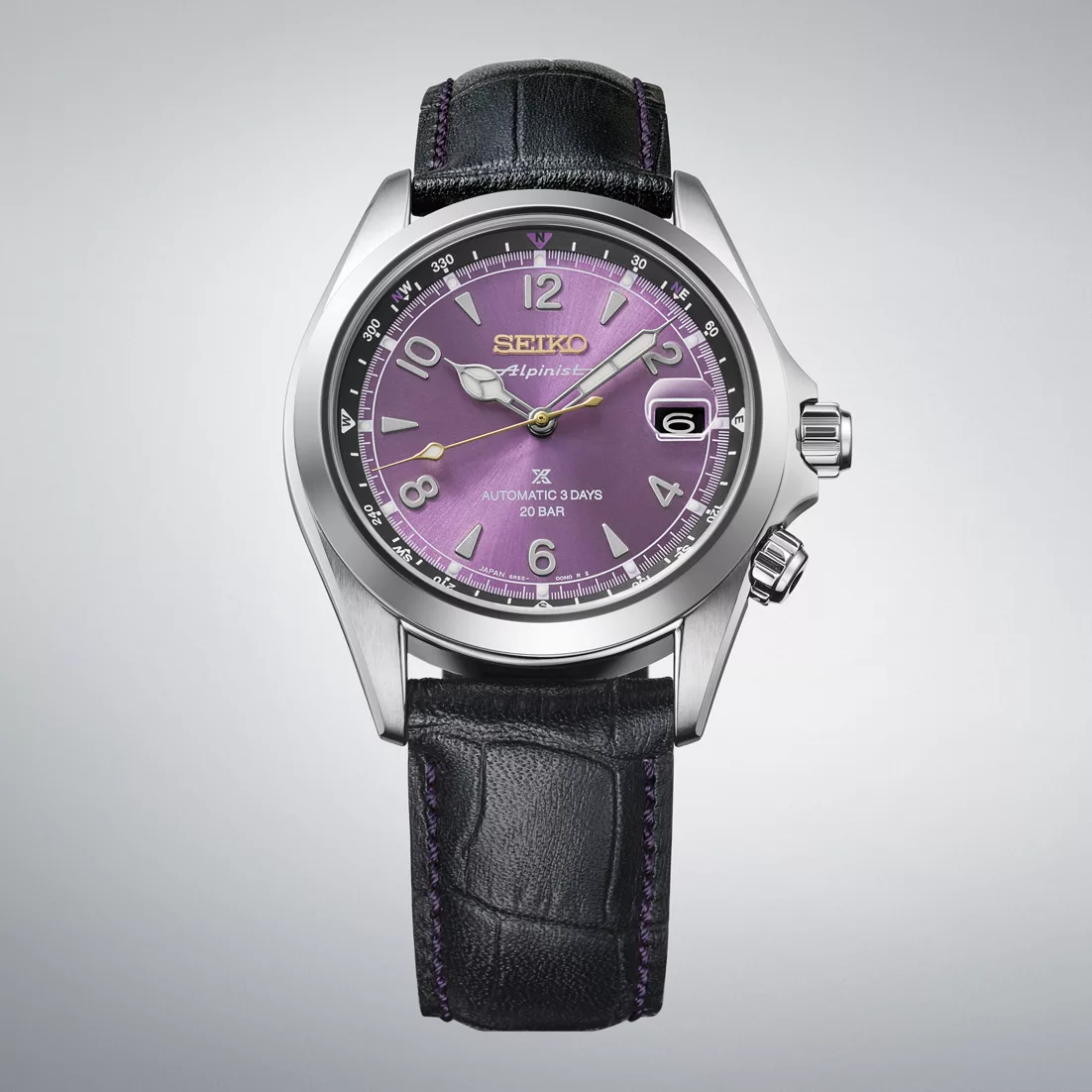
The Alpinist remains the strongest entry in the lineup, and it is not close. Reinterpreting the “Alpinist” logotype from the original 1959 Laurel Alpinist beneath the Seiko logo at 12 o’clock, the HBC006 keeps the internal rotating compass bezel that has defined the modern Alpinist since the SCVF series of 1995, later reissued as SARB017 in 2006. The steel case, finished with a super-hard coating, runs 39.5mm by 12.7mm, with 20 bar of water resistance, a sapphire crystal with a date magnifier, and a see-through screw case back.
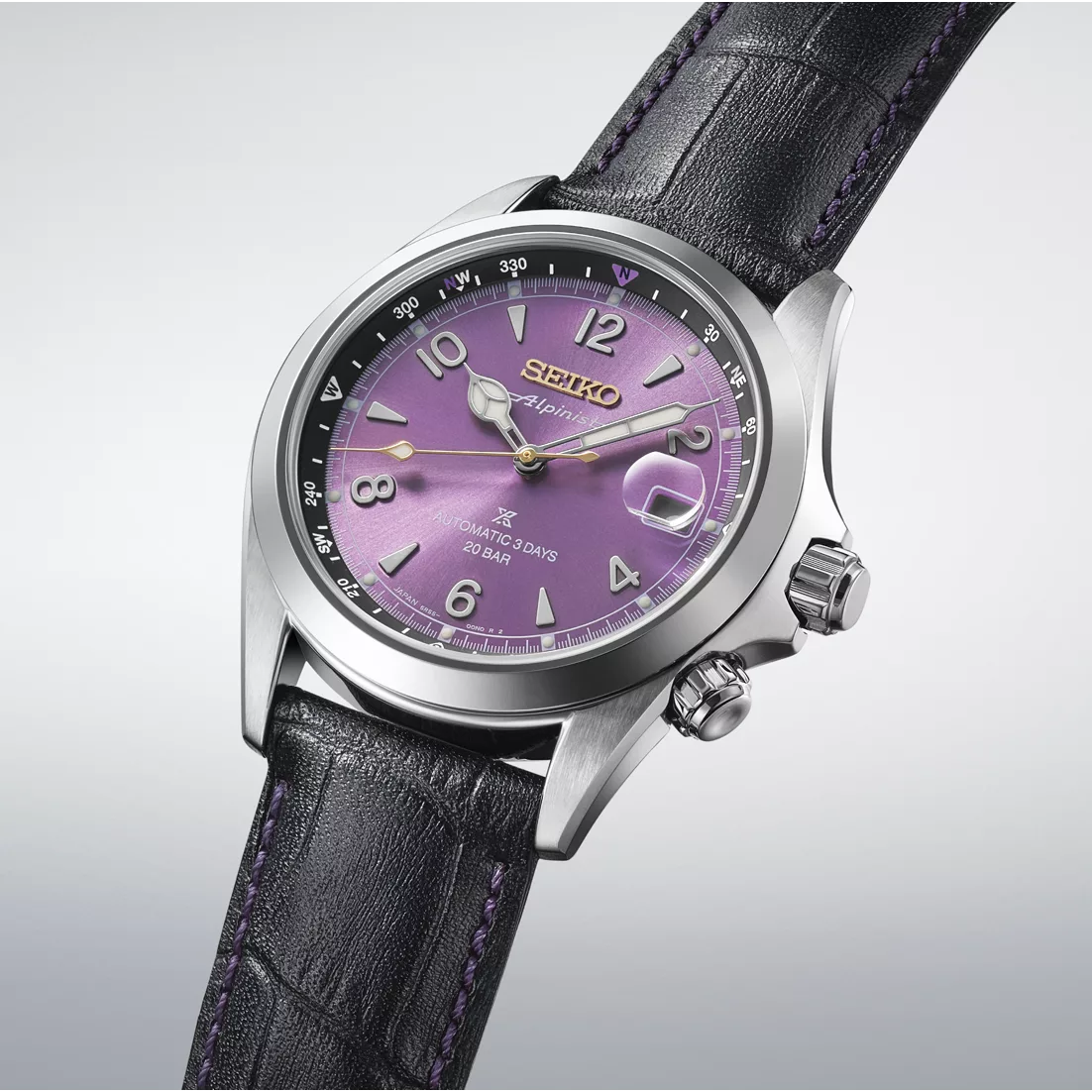
The purple dial is where the anniversary theme earns its keep. Wedge-shaped indexes and Arabic numerals keep legibility high, a purple stitch on the leather strap ties the color through to the clasp, and gold accents on the logo and seconds hand add just enough brilliance without turning the dial busy. The caliber 6R55 behind it brings a 72-hour power reserve at 3Hz, a real step up from the 4R-series movements found lower in Seiko’s range. Limited to 7,000 pieces at 980 euros, it undercuts what a lot of brands charge for an in-house automatic with this kind of finishing, and the Alpinist’s cult following will likely make this the fastest seller of the five.
Case Diameter: 39.5mm
Case Thickness: 12.7mm
Case Material: Stainless steel with super-hard coating
Water Resistance: 20 bar (200m)
Caliber: 6R55, automatic, 72h power reserve, 3Hz
Crystal: Sapphire, with date magnifier
Function: Time, date, internal rotating compass bezel
Price: EUR 980
Prospex Speedtimer Solar Chronograph HBJ005: The Quiet Value Play
The Speedtimer is the collection’s least flashy entry, and also its most underrated. Built around the solar caliber V192, it pulls its design language from Seiko’s Speedtimer chronographs of the 1960s and 70s rather than from any single reissue, with a purple dial and a matching aluminum tachymeter bezel insert that reads as functional first, decorative second. The steel case and matching bracelet run 41.4mm by 13.0mm, with a curved sapphire crystal, 10 bar of water resistance, and a three-fold clasp with push-button release.
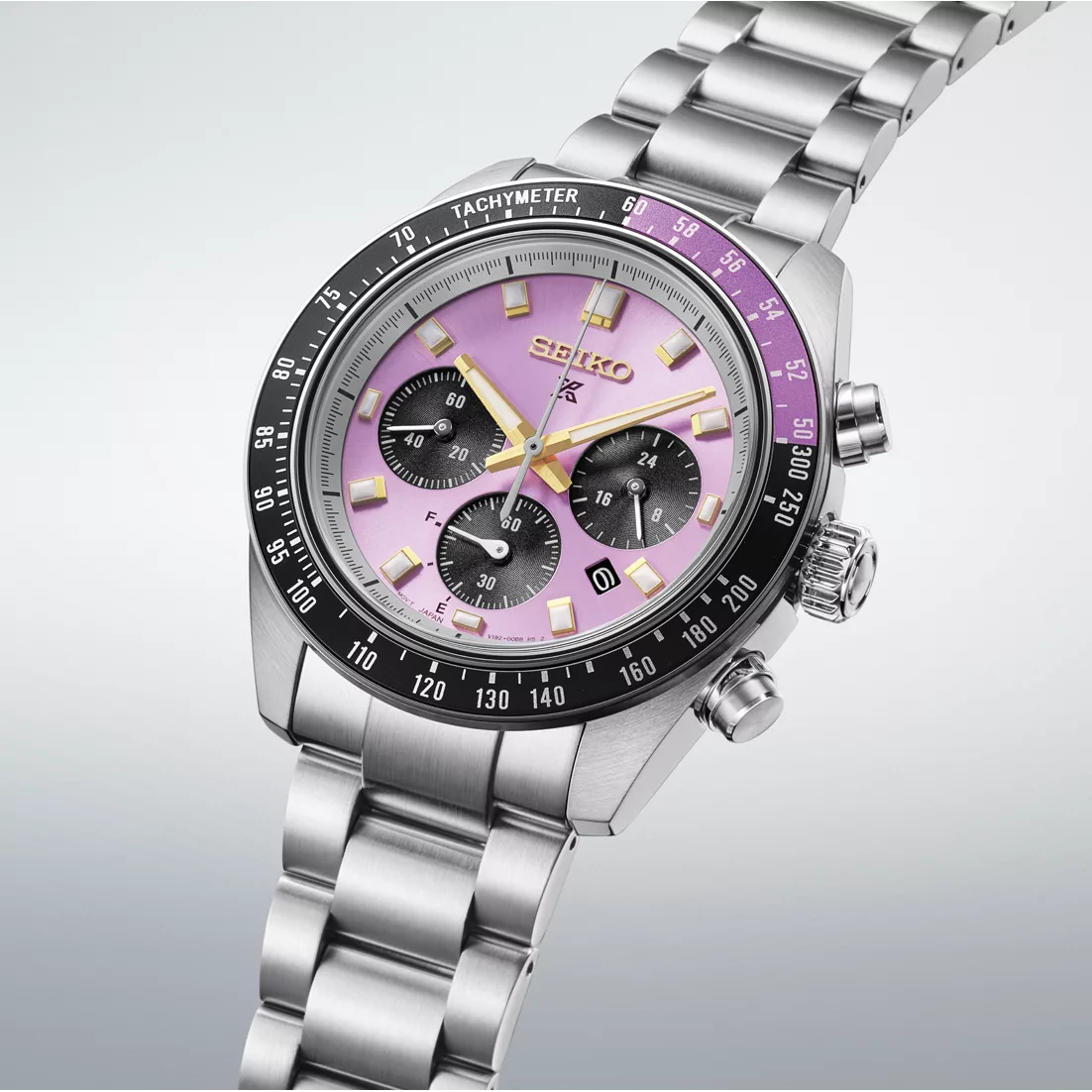
What makes this one worth a second look is the movement, not the dial. Solar power removes the battery-change conversation entirely, and a 24-hour hand plus a power-reserve indicator make it more genuinely useful day to day than either the Alpinist or the Cocktail Time. At 790 euros for 8,000 pieces it costs more than the Alpinist for a movement that is arguably less prestigious on paper, but for a chronograph that never needs winding or a battery, that trade makes sense.
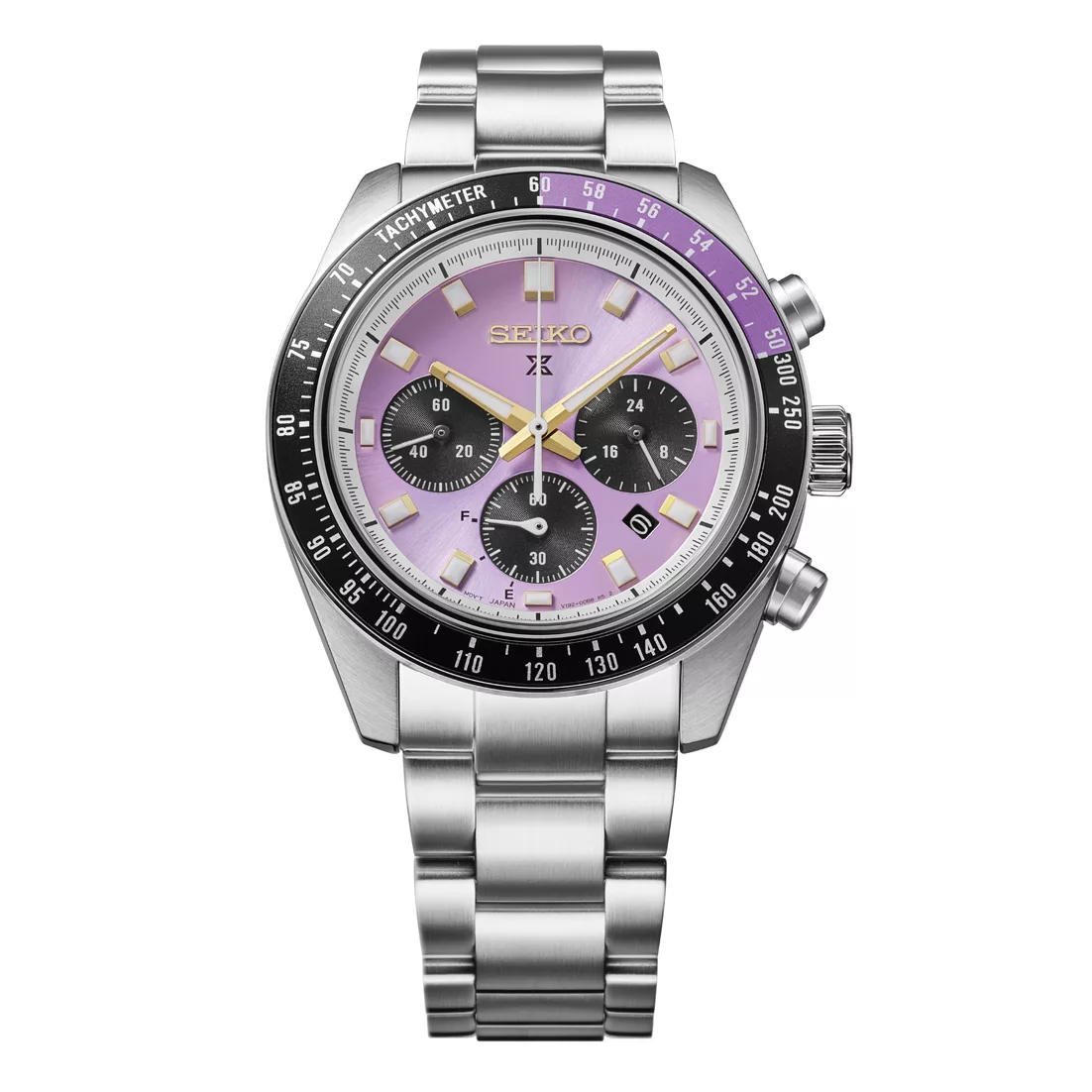
Case Diameter: 41.4mm
Case Thickness: 13.0mm
Case Material: Stainless steel
Water Resistance: 10 bar (100m)
Caliber: V192, solar, chronograph with 24-hour hand and power-reserve indicator
Crystal: Curved sapphire, anti-reflective coating
Function: Chronograph, tachymeter, 24-hour hand, power-reserve indicator
Price: EUR 790
Presage Cocktail Time HCB006: A Complication Doing Real Work
The Cocktail Time line has always leaned on dial color as its main trick, and the HCB006 pushes that further than the Alpinist does. Named after Edo Murasaki, an actual cocktail created by Star Bar owner Hisashi Kishi, the dial carries a deep, translucent purple with a radial pattern and subtle highlights reminiscent of scattered gold flakes. That kind of dial work is where Presage has quietly built its reputation, and it shows here.
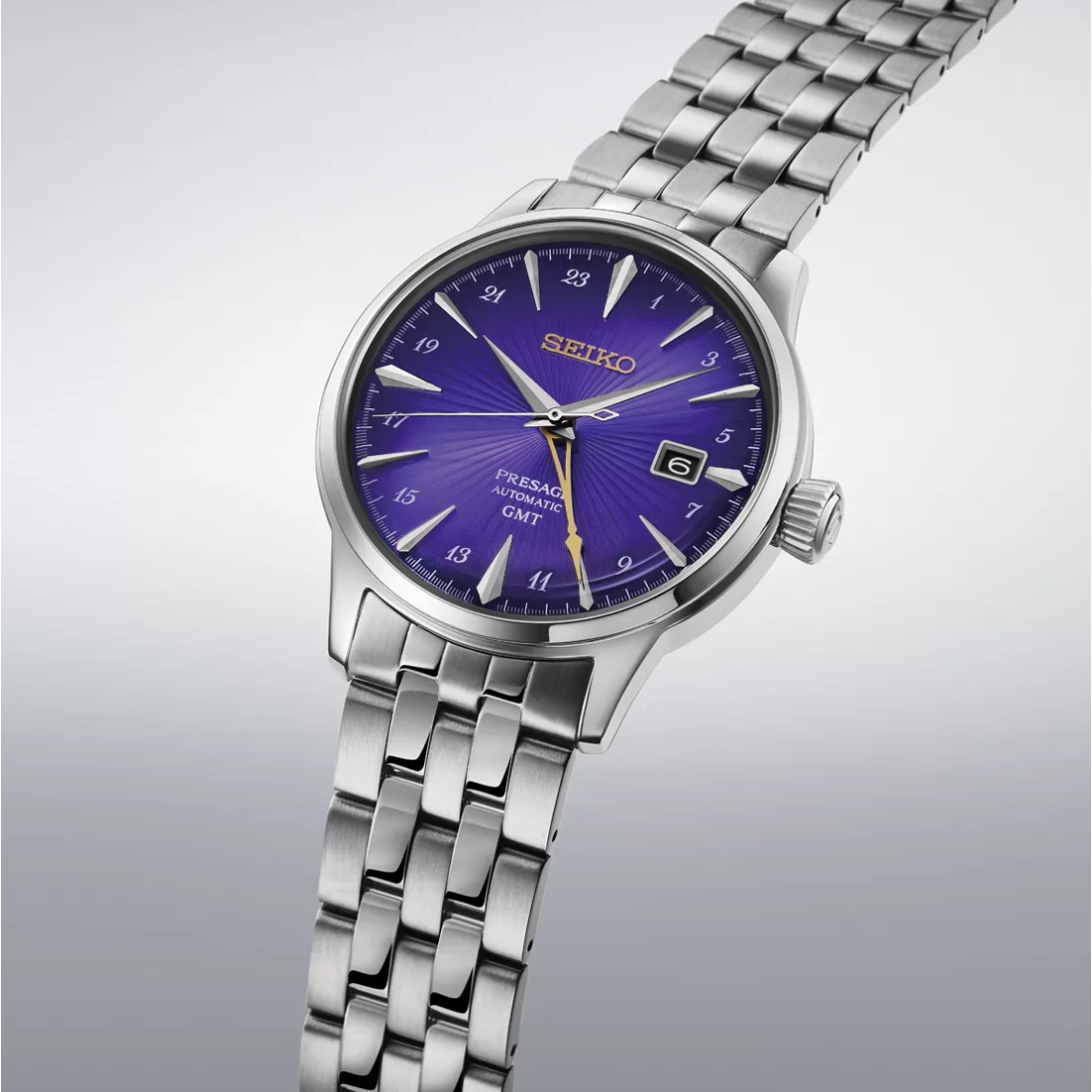
Unlike the Alpinist or the Speedtimer, this one is not just a color exercise. The GMT function, built on the office-style caliber 4R34, adds genuine utility to a watch that would otherwise be a dress piece with no second time zone. At 40.5mm by 12.8mm with a box-shaped Hardlex crystal and 5 bar of water resistance, it is not a tool watch, and it does not pretend to be one. Priced at 620 euros for 6,000 pieces, it is the strongest argument in the lineup for buying a complication instead of just a dial.
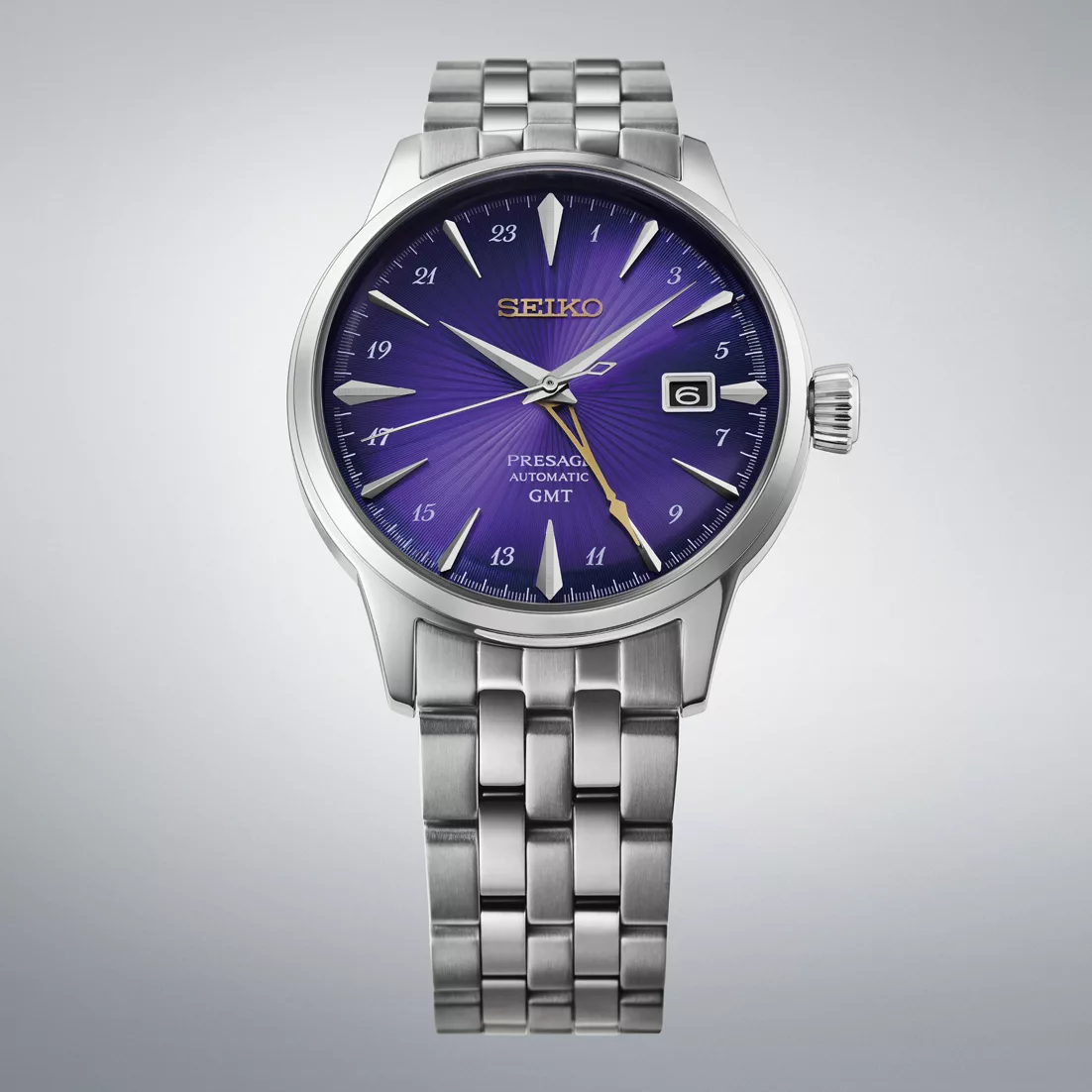
Case Diameter: 40.5mm
Case Thickness: 12.8mm
Case Material: Stainless steel
Water Resistance: 5 bar (50m)
Caliber: 4R34, automatic, 41h power reserve, 3Hz, GMT function
Crystal: Hardlex, box-shaped
Function: Time, date, GMT
Price: EUR 620
Seiko 5 Sports SKX HDB003: The Entry Point, Not an Afterthought
The SKX-based 5 Sports carries the anniversary theme into Seiko’s most accessible sports line, and at 450 euros it is the cheapest way into the Edo Purple story. It keeps the 42.5mm case, the curved Hardlex crystal, and the 10 bar water resistance that made the original SKX007 a go-to beater, while vertically striated indexes and a glossy Hardlex bezel push the finishing a step above the standard SKX. The caliber 4R36 inside is unglamorous but proven, running at 3Hz with 41 hours of reserve.
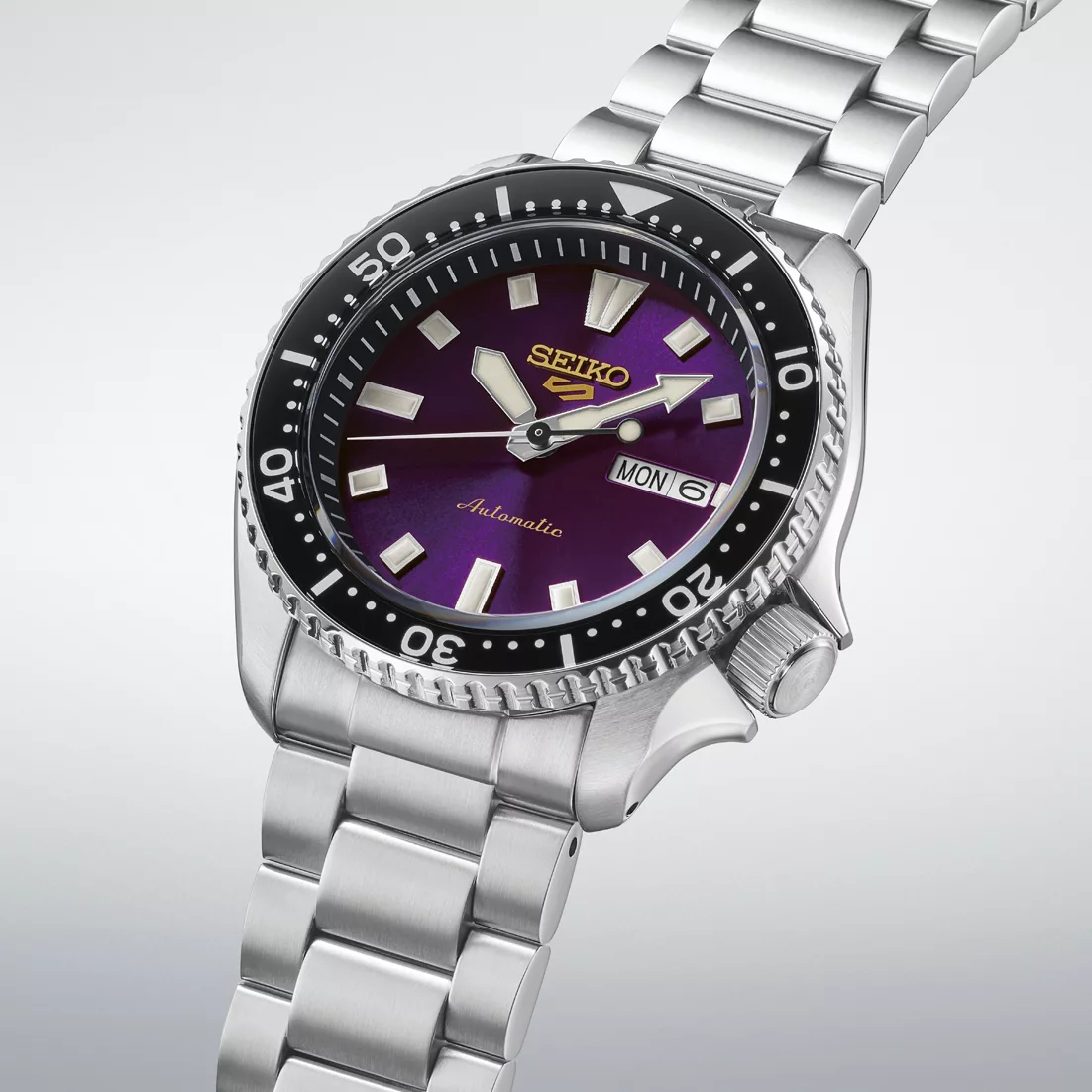
This is the one that will get worn hardest and complained about least. It does not carry the mechanical upgrades of the Alpinist or the GMT function of the Cocktail Time, but it does not need to. At 9,999 pieces it is also the least scarce of the five, which should keep secondary market prices closer to retail than the Alpinist’s smaller run is likely to allow. The caliber 4R36 inside it is also the same movement Seiko used in the SRPL99 Pepsi diver mentioned above, and the office-style 4R34 in the Cocktail Time HCB006 matches the SSK047 from that same collaboration. Seiko keeps reaching for the same reliable engines across its themed limited editions, which says as much about cost control as it does about the movements’ track record.
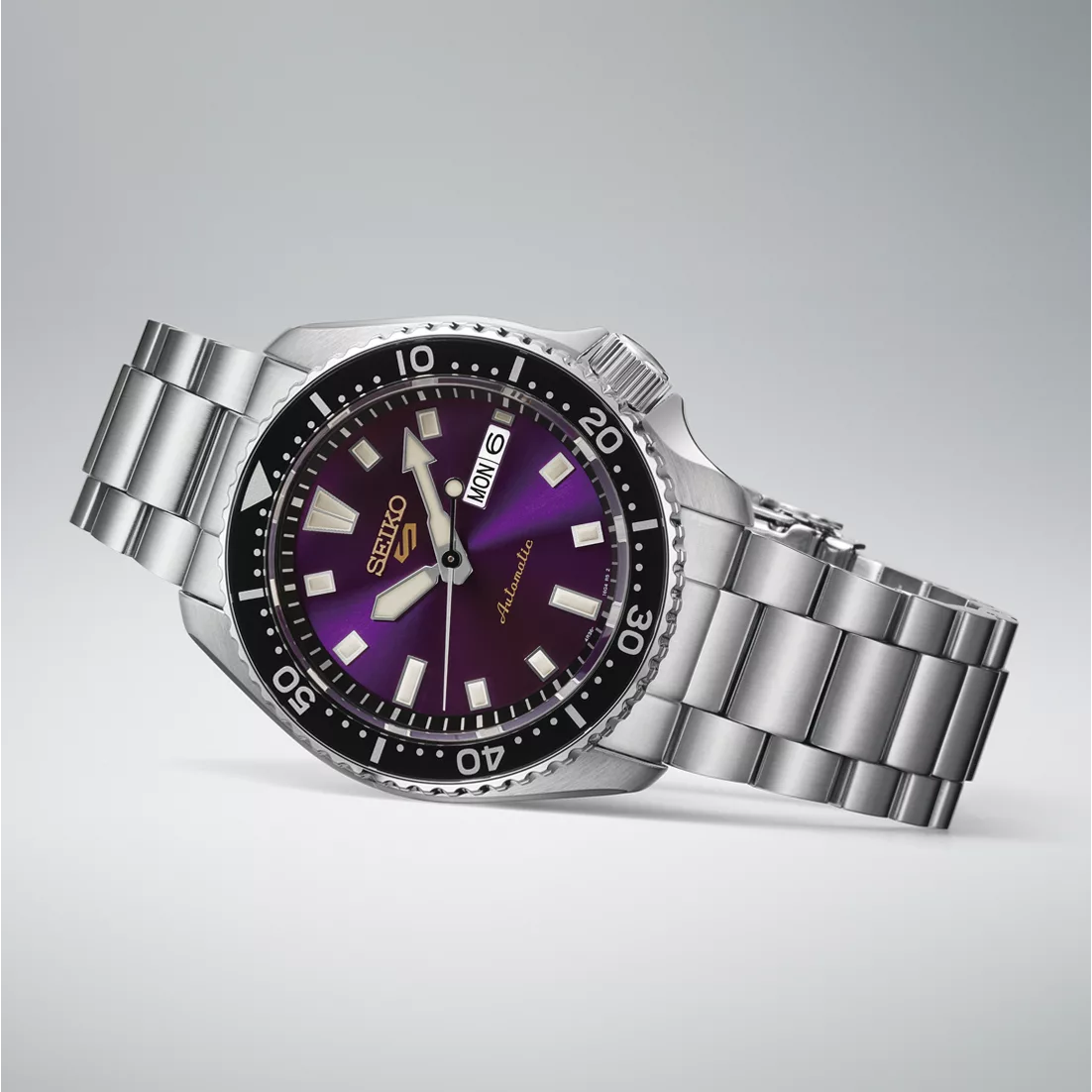
Case Diameter: 42.5mm
Case Thickness: 13.9mm
Case Material: Stainless steel
Water Resistance: 10 bar (100m)
Caliber: 4R36, automatic, 41h power reserve, 3Hz
Crystal: Curved Hardlex
Function: Time, date, rotating bezel
Price: EUR 450
Seiko Selection Rotocall HFL001: The Digital Outlier With the Best Backstory
The Rotocall is the one nobody expected to see back, and it is arguably the most interesting piece in the collection precisely because it breaks from everything else here. Reviving a 1982 digital model that built a following among enthusiasts and, reportedly, astronauts, the HFL001 keeps the original’s rotary switch, which cycles through the alarm, timer, and stopwatch functions without a single dedicated pusher. Seiko paired it with an all-black steel case and a purple rotary switch, a small detail that does more to signal “anniversary edition” than most dial swaps manage.
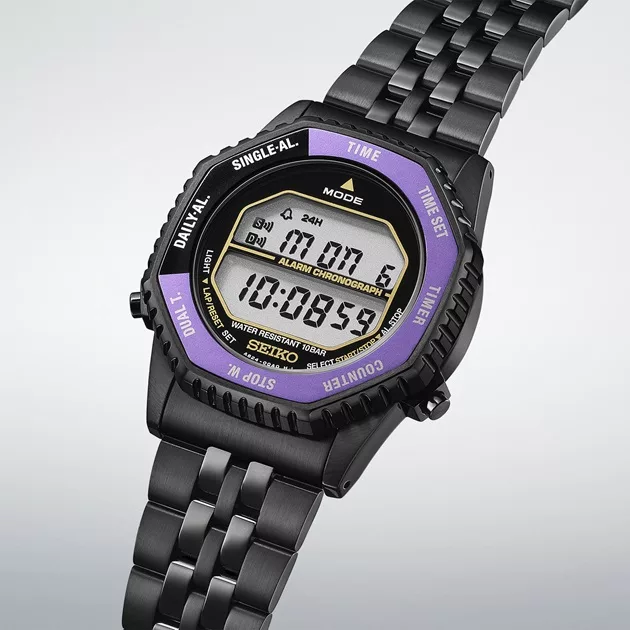
Powered by the quartz caliber A824 and running a genuinely compact 37.0mm by 10.6mm case, it is also the smallest and lightest watch in the lineup by a wide margin. At 670 euros for 4,000 pieces it is not cheap for a quartz digital watch, and buyers paying strictly for specs will find better value elsewhere in this collection. What they are actually paying for is a design that has not been mass-produced in over four decades, and that scarcity is the real product here.
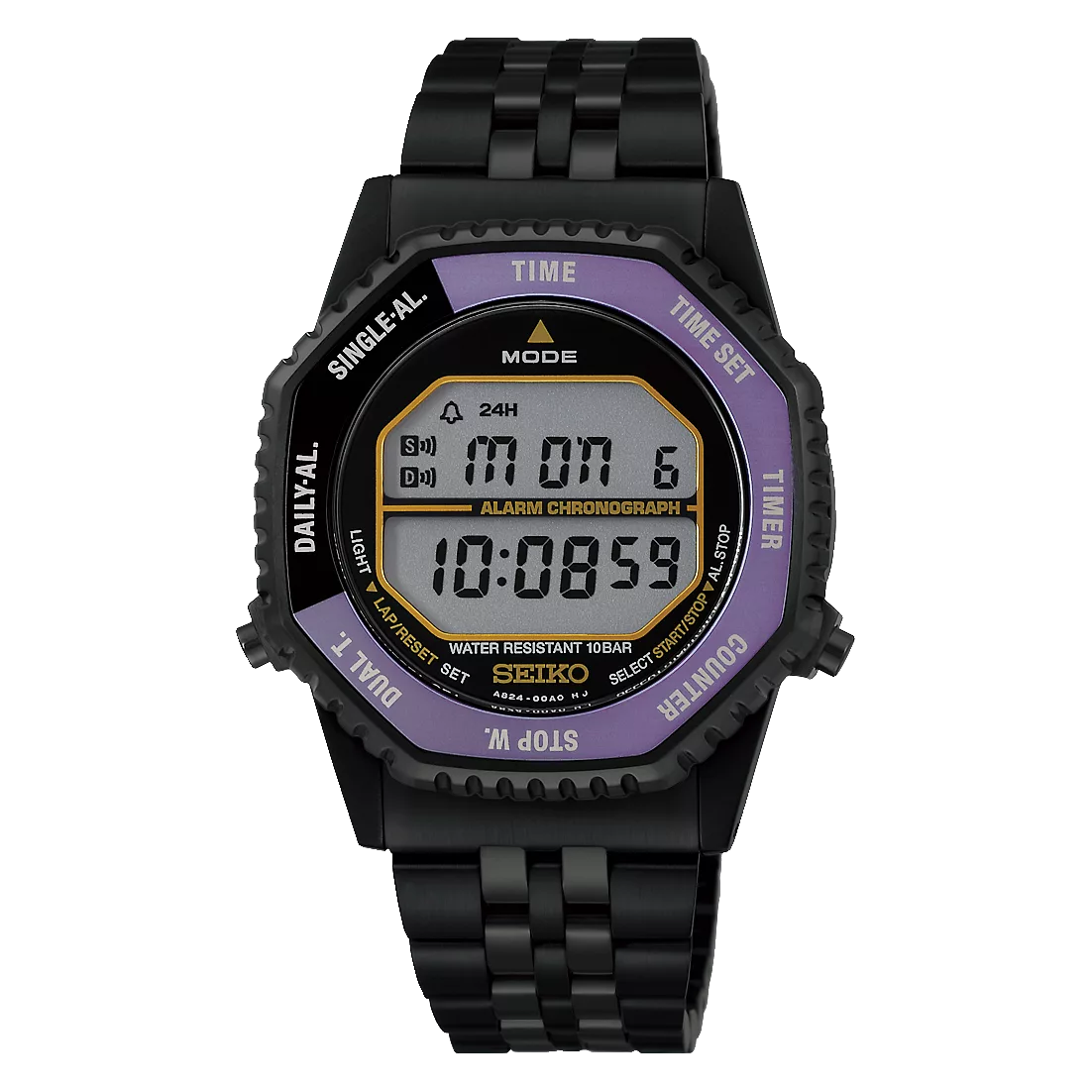
Case Diameter: 37.0mm
Case Thickness: 10.6mm
Case Material: Stainless steel with black hard coating
Water Resistance: 10 bar (100m)
Caliber: A824, quartz
Crystal: Hardlex
Function: Digital display, rotary switch access to alarm, timer, and stopwatch
Price: EUR 670
Five Watches, One Verdict Worth Making
If I had to pick one, it is the 5 Sports SKX HDB003, and I will admit the Alpinist makes the more objectively balanced case for the money. But I am a diver-watch person first, and the SKX case is not just another affordable sports shape, it is the shape that built Seiko’s entire reputation for tool watches that outlast their price tag. Putting a genuinely researched color story on a case this iconic, at 450 euros, is the version of this collection I would actually reach for.
The Alpinist HBC006 is still the strongest all-round package here, and the Speedtimer Solar is the one I would point a practical buyer toward if a battery-free movement matters more than heritage. The Cocktail Time GMT is the more interesting design exercise for anyone who does not need the SKX’s outdoor pedigree, and the Rotocall is the one for someone buying a story rather than a specification sheet. What stands out across all five is that Seiko built an anniversary collection around a genuine cultural reference and a real spread of use cases, rather than stamping the same dial code across five identical cases. That is a harder needle to thread than it looks, and it is worth noting the next time Seiko reaches for round-number nostalgia again.