RZE Seeker: A Super Attainable 38mm Titanium Solar Field Watch

RZE has spent the last few years building a reputation on one material. Since 2020 the brand has cased almost everything in hardened Grade 2 titanium, from the Endeavour diver to the Resolute field watches, and it has done well in the wider microbrand scene by pairing that metal with prices that rarely climb far past the mid-hundreds. Its cheapest door into the catalogue, though, has been the Urbanist, a 36mm solar field watch with an angular case, crown guards and 18mm lugs that plenty of buyers found too small.
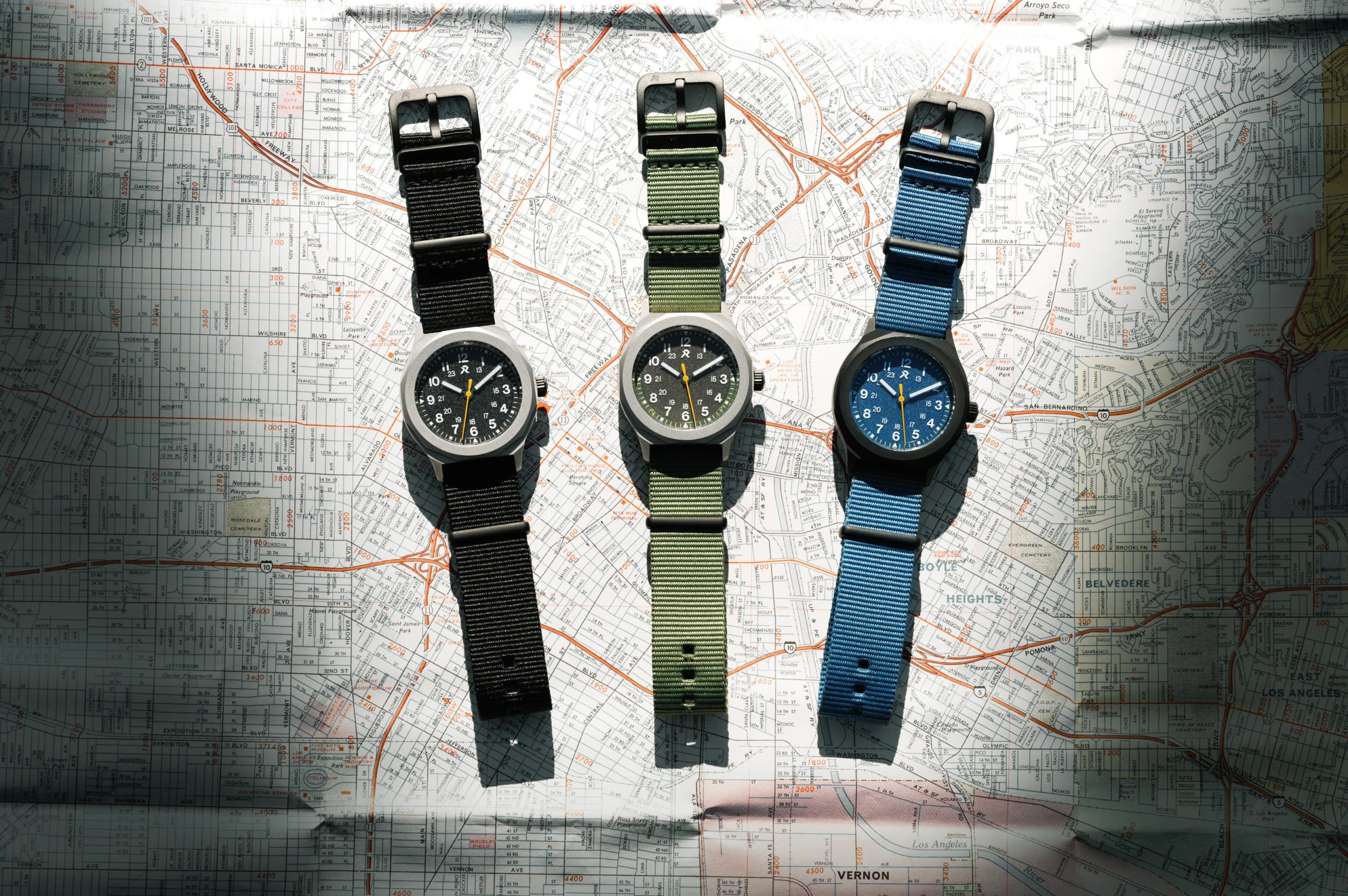
The new RZE Seeker changes that. It is a 38mm, time-only solar watch in UltraHex or DLC-coated titanium, priced at $299 for all three versions, with no date window and nothing to wind. It is aimed at someone who wants one light, tough watch to wear every day and stop thinking about, and honestly, it could land right at the top of the watches under $300 worth considering this year.
What makes it interesting is less the formula than the edit. RZE stripped the crown guards, widened the case, swapped the movement supplier and kept the price close to where the Urbanist sat. This is the most restrained watch RZE has made, and probably the easiest one to recommend.
It Moves From Miyota to Epson Solar
The Urbanist ran on the Miyota 2070, the smaller of the two solar calibers Miyota sells to other brands. The Seeker moves to the Epson AS01, a three-hand solar quartz movement that, according to Fratello’s hands-on, stores roughly four months of power on a full charge. RZE does not list an accuracy rating, so I won’t guess at one.
The more useful detail is the guarantee. RZE covers the movement for life, the same promise it attaches to its UTD-8000 digital modules. For a solar watch that is the right pitch: if you’ve already settled the old automatic versus quartz argument in favour of low maintenance, a lifetime-backed solar caliber is about as close to zero ownership effort as a watch gets.
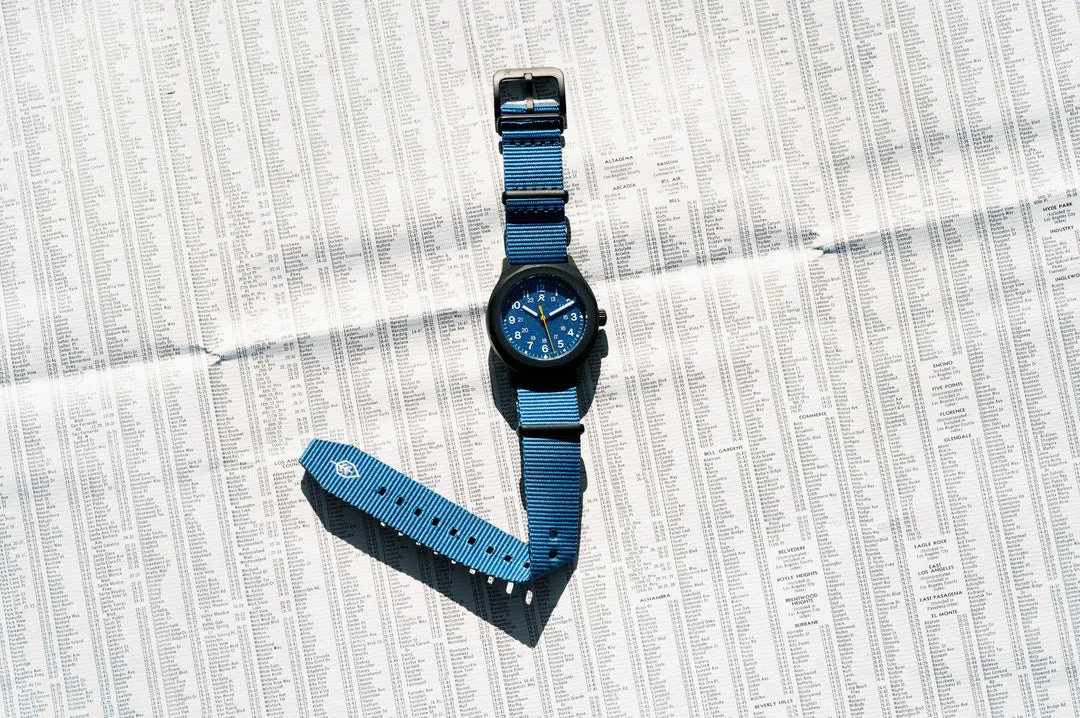
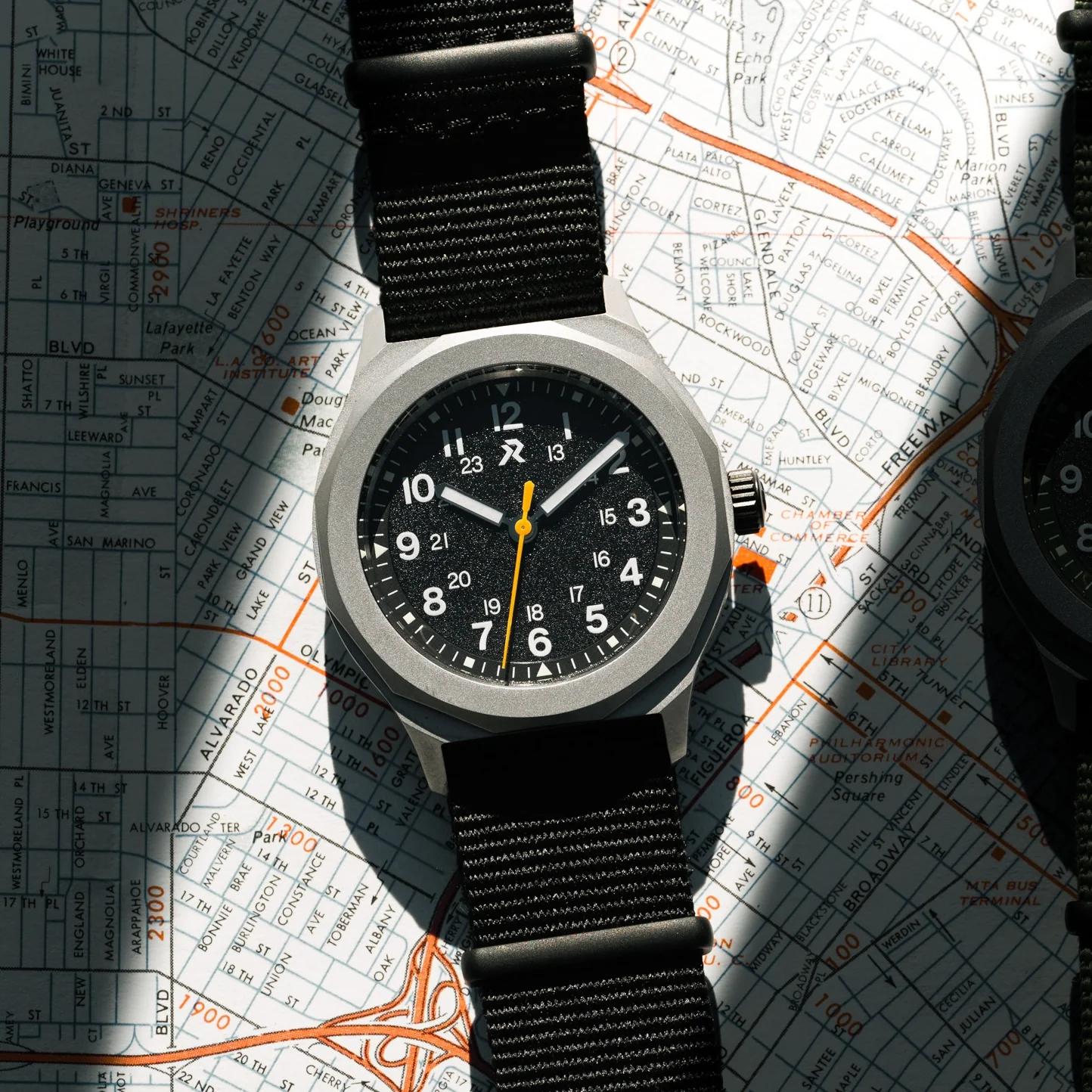
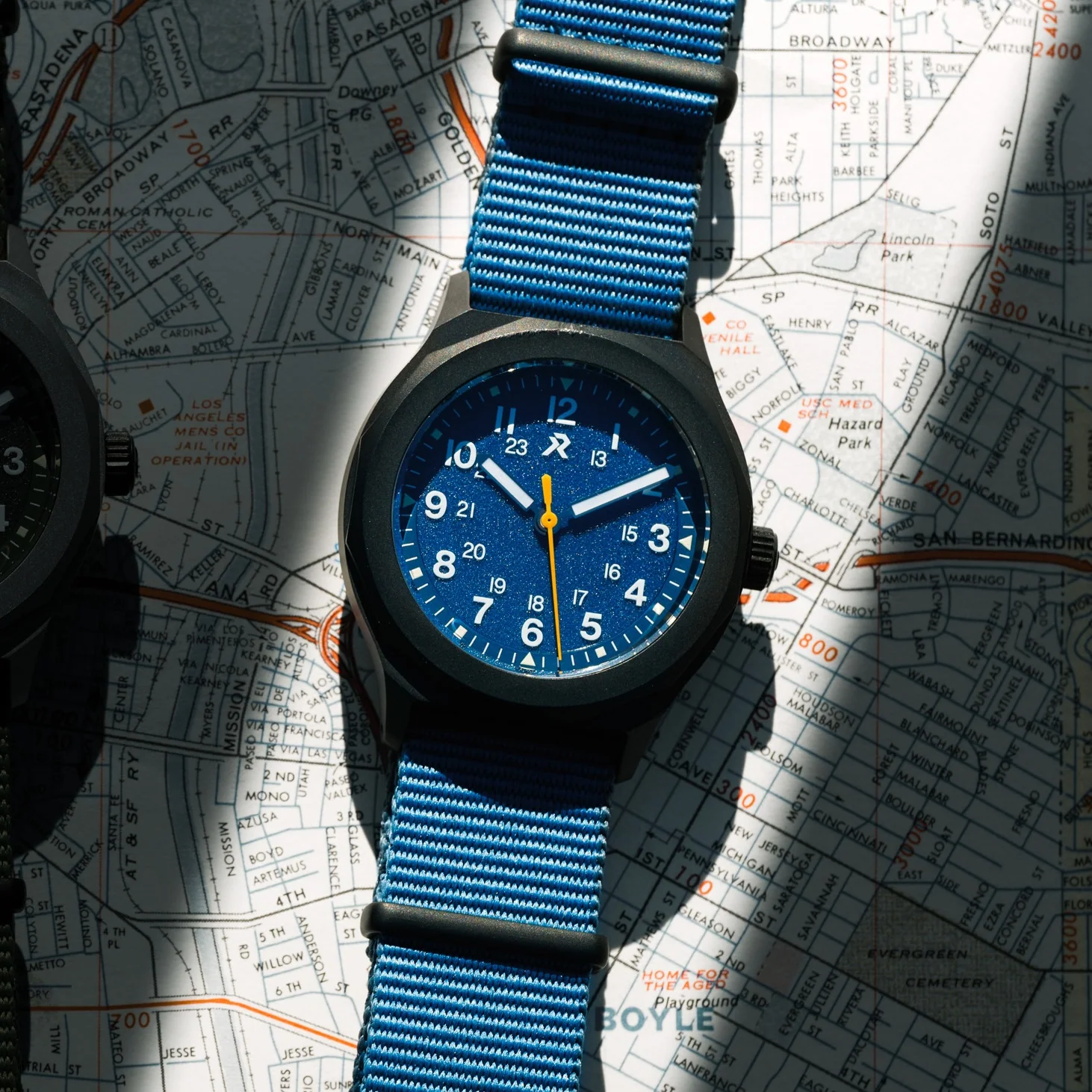
The dial is semi-transparent so light can reach the cell underneath, but RZE has made it read as solid, with a textured finish instead of the visible solar ring the Urbanist used. Pencil hands and indices glow blue, the minute track glows green, and the seconds hand is painted in RZE’s Medallion Yellow on every version. It is a conventional field layout, and that is the point.
It’s Bigger Than the Urbanist
The Seeker measures 38mm across, 10.2mm thick and 45.7mm lug to lug, with 20mm lugs. The Urbanist was 36mm, around 11mm thick and 42mm lug to lug on 18mm lugs. So the new watch is wider and longer while also coming in nearly a millimetre thinner.
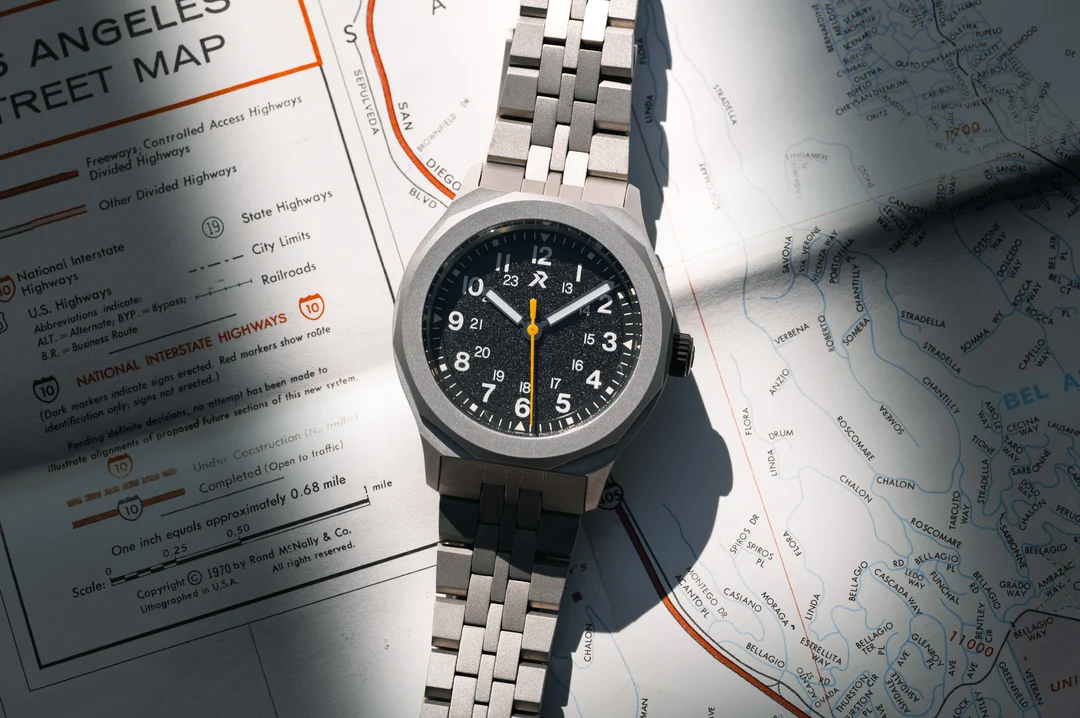
On paper that is a sweet spot, a 38mm case with a mid-40s lug-to-lug should suit a wide range of wrists, and if you’re unsure, our guide on how a 38mm case actually wears explains how to check it against your own measurements. At 33.6g for the head and 44.7g on its strap, weight will not be the issue.
The case drops the crown guards that defined the Resolute and the Urbanist, and adds a fixed 12-sided bezel. It is a cleaner silhouette. It also leaves the push-pull crown more exposed, which matters a little more on a watch sold as tough enough for daily knocks.
Can You Fit an RZE Bracelet?
Yes, and this is one of the Seeker’s quieter strengths. It ships on a recycled polyester strap with a custom UltraHex titanium buckle, but its 20mm lugs are shared with the Resolute, Endeavour, Ascentus GMT and UTD-8000. RZE’s HexaFlex rubber straps and its H-link and HexLink titanium bracelets fit directly.
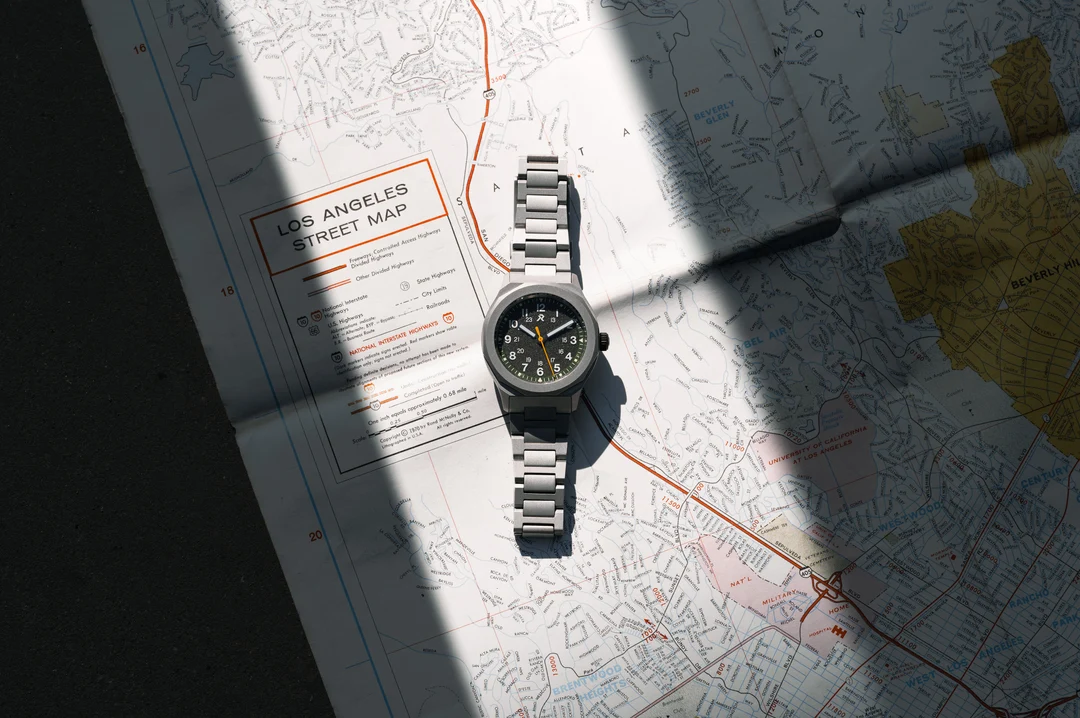
For new buyers, that means a cheap entry watch can grow into a full titanium setup later. For existing RZE owners, the Seeker slots into a strap drawer they already have, which is smart product planning from a brand that sells its accessories separately.
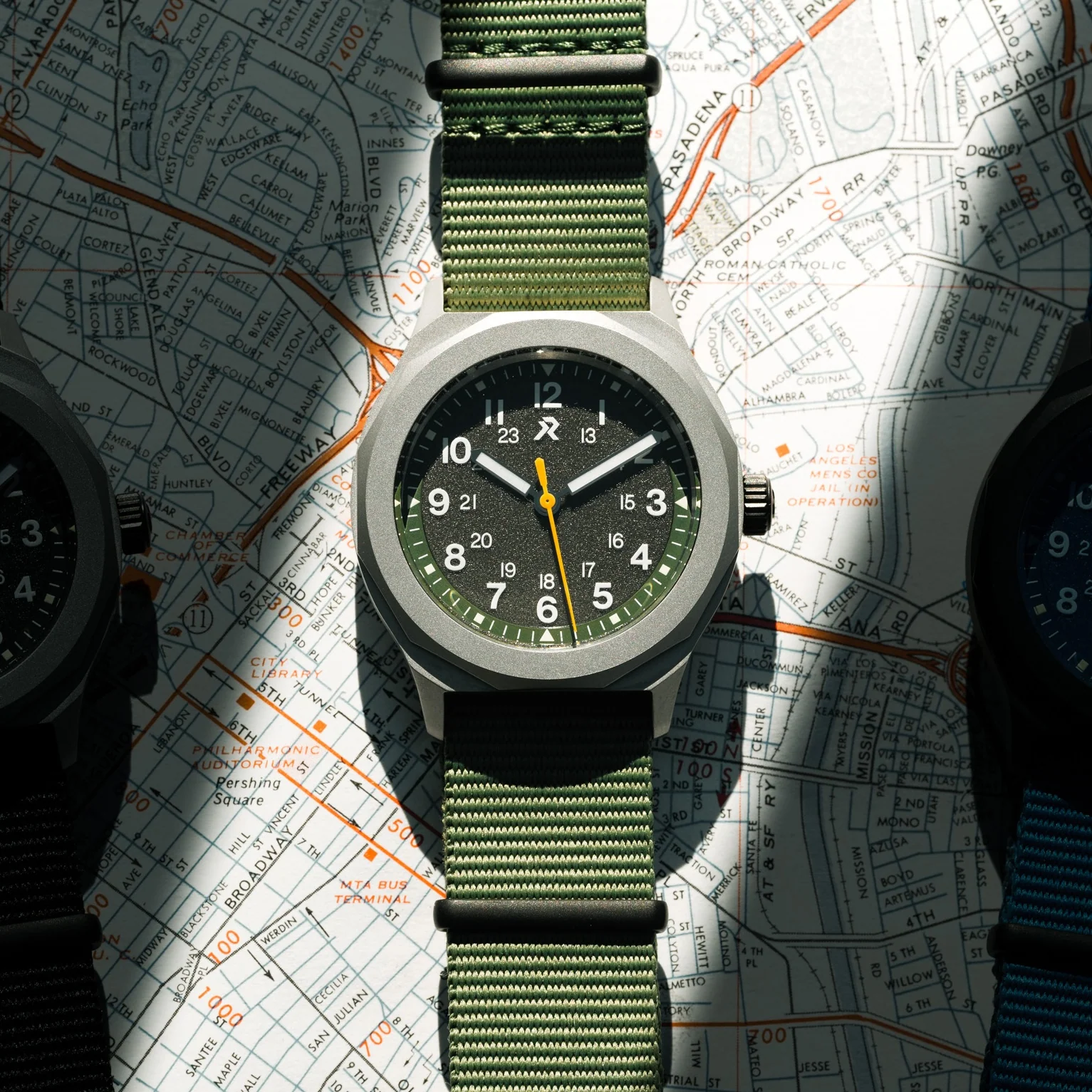
The friction points are small but real. Water resistance is 100m, but the crown does not screw down, so this is a swim-friendly field watch and not a diver. There is no bracelet option in the box, so the $299 buys the strap version only. And the textured, near-solid dial is handsome in photos but plain by design; if you want a watch with personality, there is very little here beyond the yellow seconds hand.
There is also the question of overlap. The Seeker sits close enough to the Urbanist that it reads as a replacement, and the Urbanist’s UltraHex versions launched at a $259 regular price. Paying $40 more for two extra millimetres, wider lugs and a different movement is fair, but it is not a dramatic leap in value.
Is $299 Fair for Titanium and Solar?
Mostly, yes. The cheapest solar field watches come in steel: the Timex Expedition North Field Solar I reviewed sells for around €140 to €179 with sapphire and 100m water resistance, but it wears larger at 41mm and 12mm, and its lume fades fast. The Seeker roughly doubles that price and gives you hardened titanium, a smaller and thinner case, sapphire with an inner anti-reflective coating, a screw-down titanium caseback and a lifetime movement guarantee.
Going the other way, titanium solar from the big Japanese names usually means more money and more watch. Citizen’s Brycen, a 41mm Super Titanium Eco-Drive with a date, carries a $595 list price. Against that, the Seeker is the stronger package for anyone who wants a compact, time-only titanium watch, at about half the money.
Specs, Pricing & Availability
Case Diameter: 38mm
Case Thickness: 10.2mm
Case Material: Hardened Grade 2 titanium (UltraHex or DLC)
Water Resistance: 100m
Caliber: Epson AS01 solar quartz
Crystal: Sapphire with inner anti-reflective coating
Function: Hours, minutes, seconds
Price: $299
Should You Buy It?
I would. If you want one light, low-effort watch for travel and weekends, the Seeker makes more sense than almost anything in steel at $150 and most titanium at $500. Spruce Green and Carbon Black come in the matte grey UltraHex finish; Metropolis Blue is the one to pick if you want the all-black DLC case. Skip it if you need a date, a screw-down crown or a bracelet in the box.
The bigger story is RZE’s direction. The brand has spent years adding models, features and colourways, and with the Seeker it shows it knows when to stop. Pre-orders opened on November 19, and if the proportions translate on the wrist the way they read on paper, this could become the default entry point to RZE, and the watch other titanium solar microbrands now have to answer.
Check out The Ultimate Affordable Watches Guide