Watch Trends 2026: Three Still Going Strong in Affordable Watches

The three watch trends with real staying power in 2026 are natural stone dials, integrated bracelet sports watches and neo-vintage design. All three now start under €300, from brands like Timex and Casio, and that is the best sign they are more than a passing fashion.
Most 2026 trend roundups stop at Watches & Wonders in Geneva, where even the “affordable” picks cost thousands. I cover affordable watches every day, and from where I sit the better test of a trend is simple: has it reached the watches normal people actually buy? These three have.
Stone dials have finally reached normal budgets
A few years ago a natural stone dial meant Piaget or Rolex money. In 2026 you can buy one for $199, and that changes everything about the trend.
A stone dial is a thin slice of real mineral, cut and polished to become the face of the watch. No two slices are the same, so no two watches are the same. That is exactly why smaller brands love them. A microbrand cannot beat Seiko on movements, but it can sell you a dial nobody else owns, which is how most of the microbrands I write about compete in the first place.
The cheapest way in is a Timex
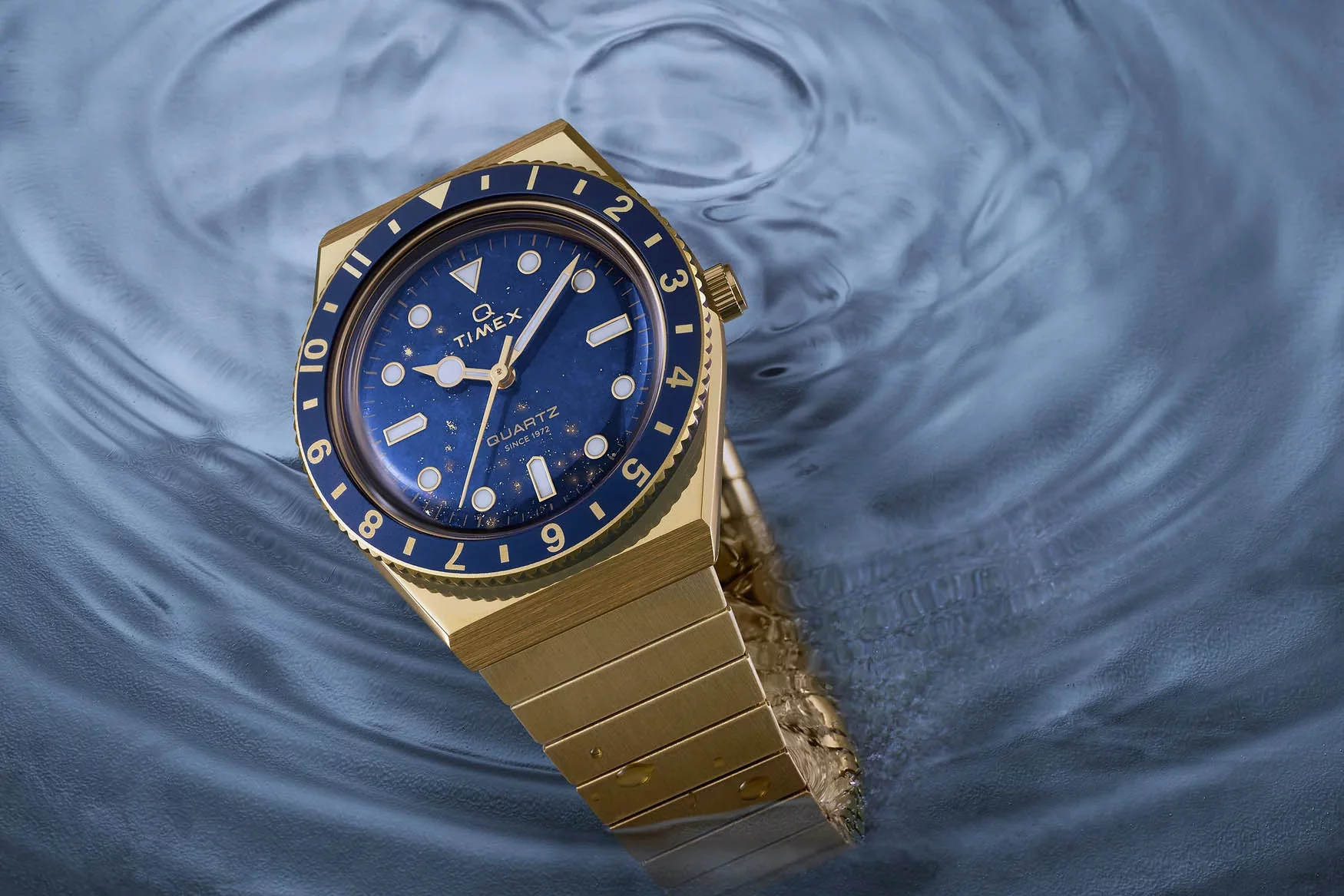
The Q Timex stone dial collection is the most affordable genuine stone dial I know of from an established brand. It launched at US$199: a 36mm gold-tone case, a domed acrylic crystal, quartz inside, and a choice of malachite, lapis lazuli or tiger’s eye.
36mm also wears well on smaller wrists like my 6.5-inch one. And it is a 1979 reissue design, so you get a stone dial and a neo-vintage watch in one, which says a lot about how these trends feed each other.
Above €300 you get automatics and better cases
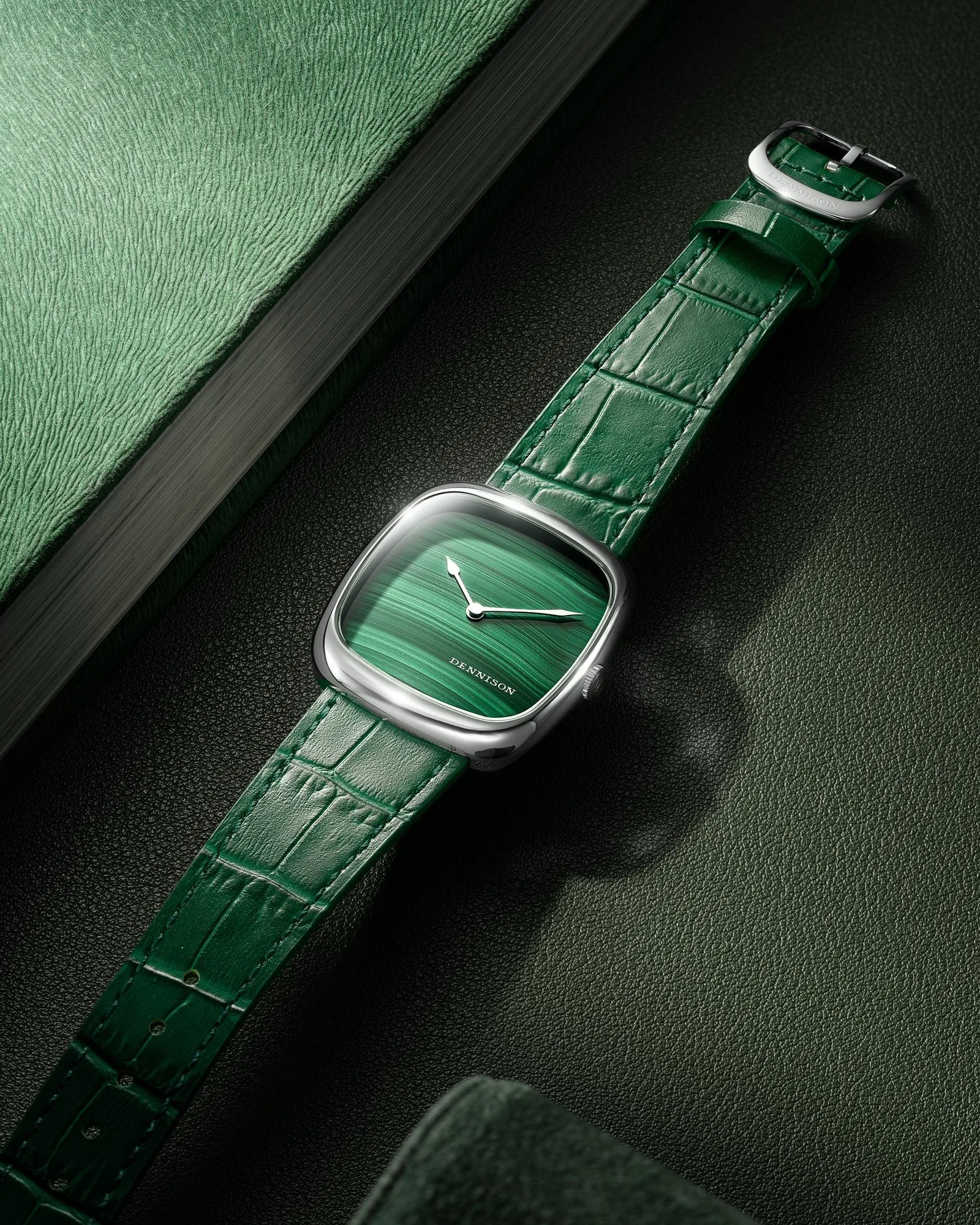
San Martin, the Chinese brand most people know from AliExpress, has put a malachite dial into a 42mm dive watch with a Seiko NH35, listed at around $279. Dennison’s ALD sits higher, at $690, with a 1960s-style cushion case and Swiss quartz.
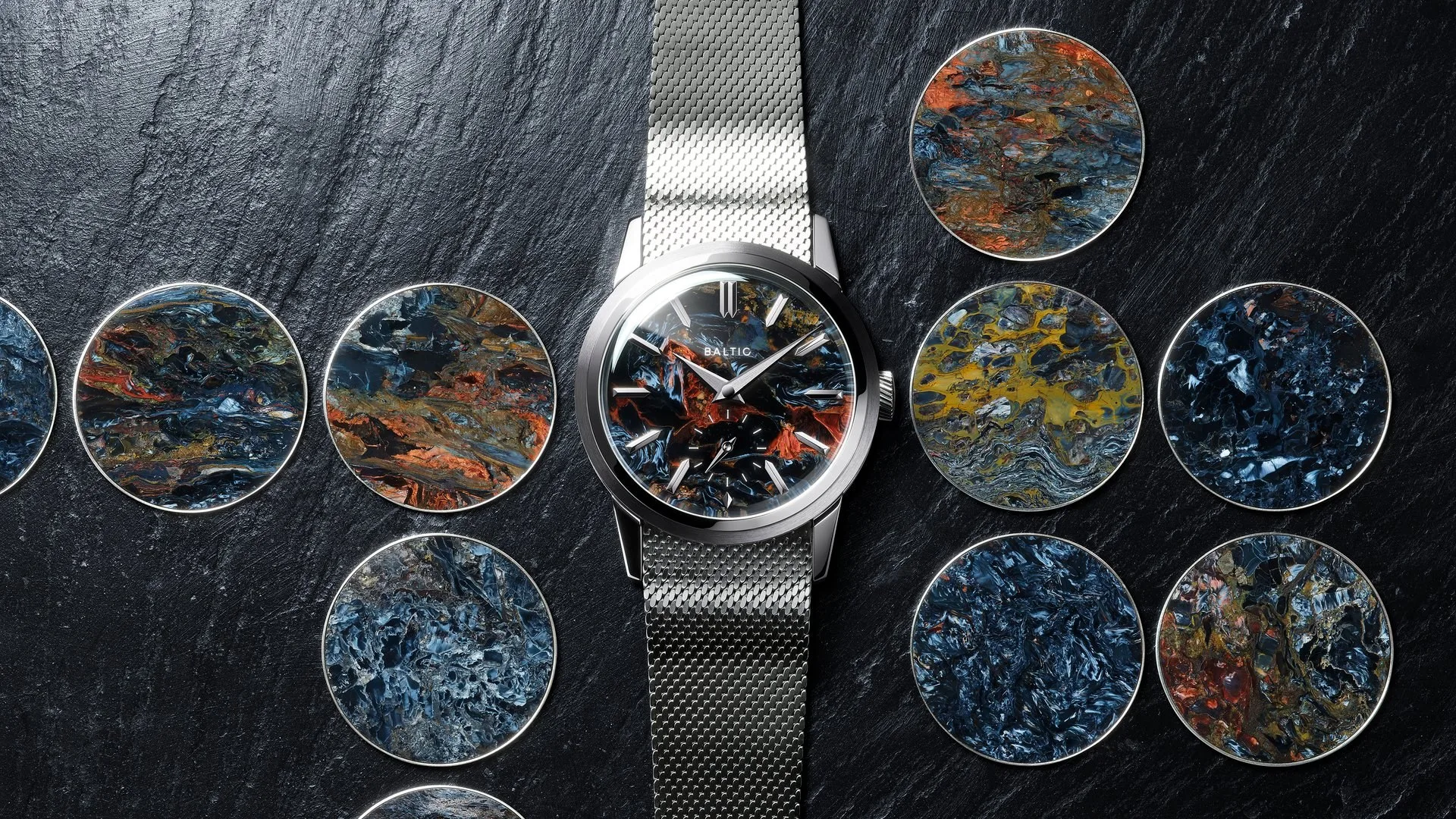
Christopher Ward went further with four limited C63 Sealander Stones models in malachite, charoite, turquoise and yellow tiger’s eye, from €1,050 and limited to 150 pieces each. Even Baltic, a brand built on vintage design, now has stones, and I called the Baltic Prismic Stone collection remarkable value when it launched at €1,300 before tax.
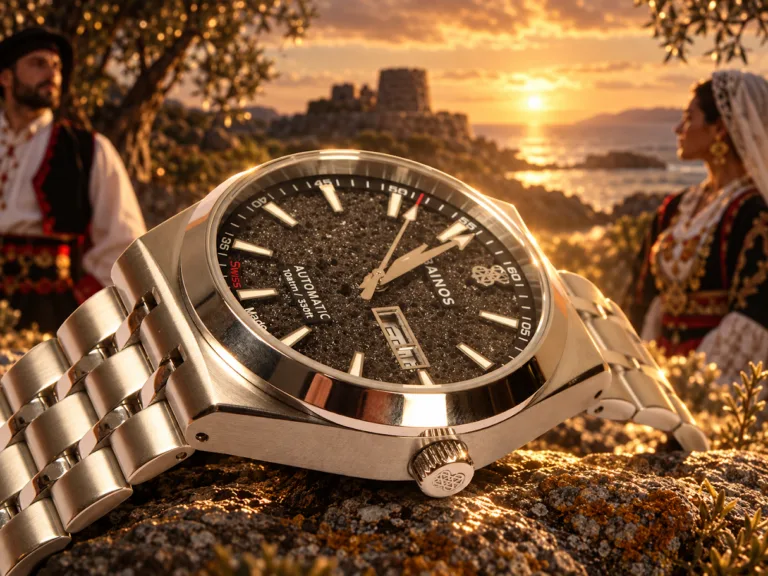
When I covered the BAINOS basalt dial on Kickstarter, my view was that stone had become a trend but stayed expensive. A year of Timex, San Martin and Christopher Ward releases has proved that wrong faster than I expected.
Meteorite is the one people want, and it is still pricey
More people search for meteorite dials than for stone dials in general. The story sells itself: most meteorite dials come from the Muonionalusta meteorite, found near the Swedish-Finnish border in 1906, and an acid etch reveals a crosshatch pattern formed by iron and nickel cooling over millions of years.
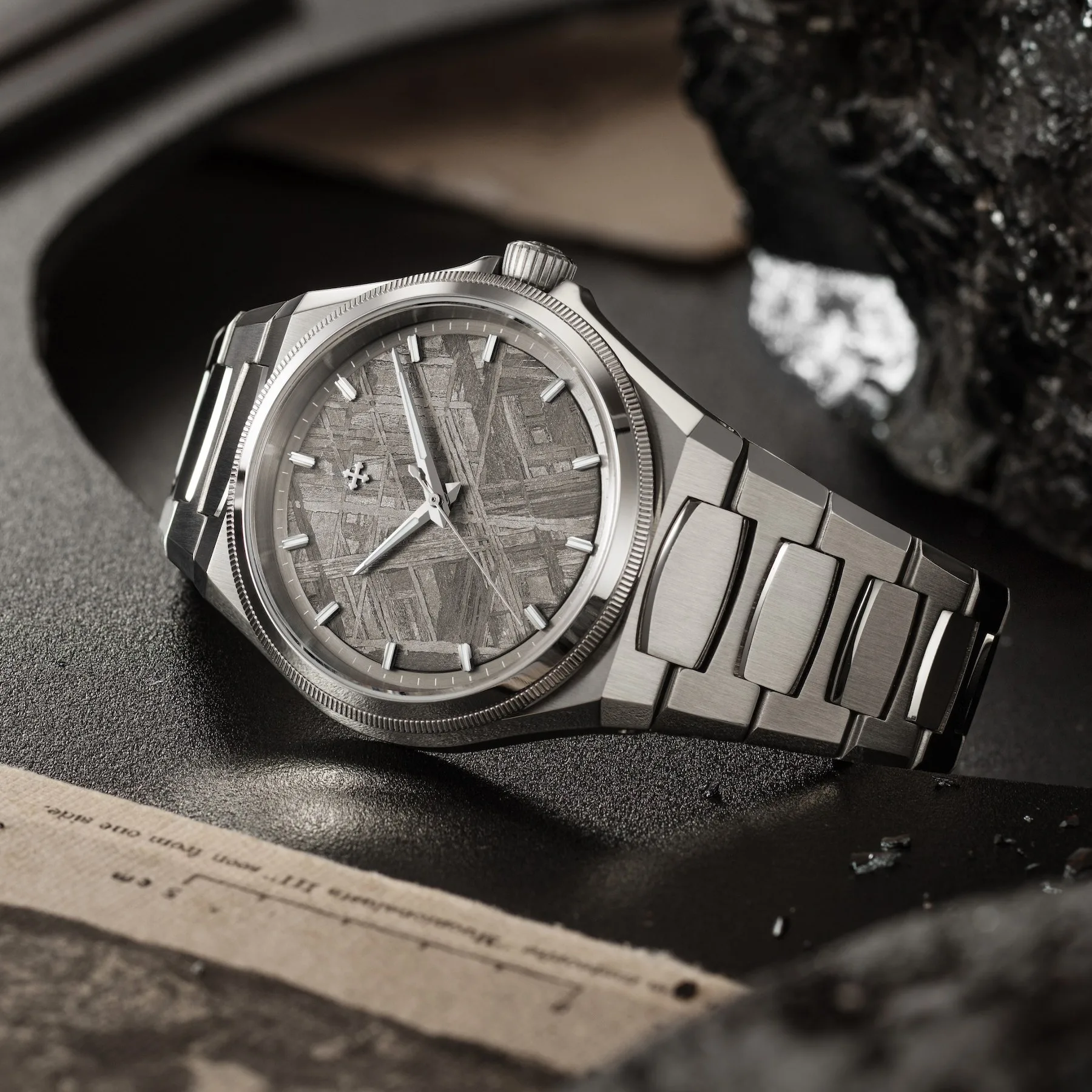
Genuine meteorite used to start well above €1,000. The Venezianico Arsenale Meteorite, a 40mm integrated bracelet watch only 9.95mm thick, still sits at €1,200. But two smaller brands now get you there for less.
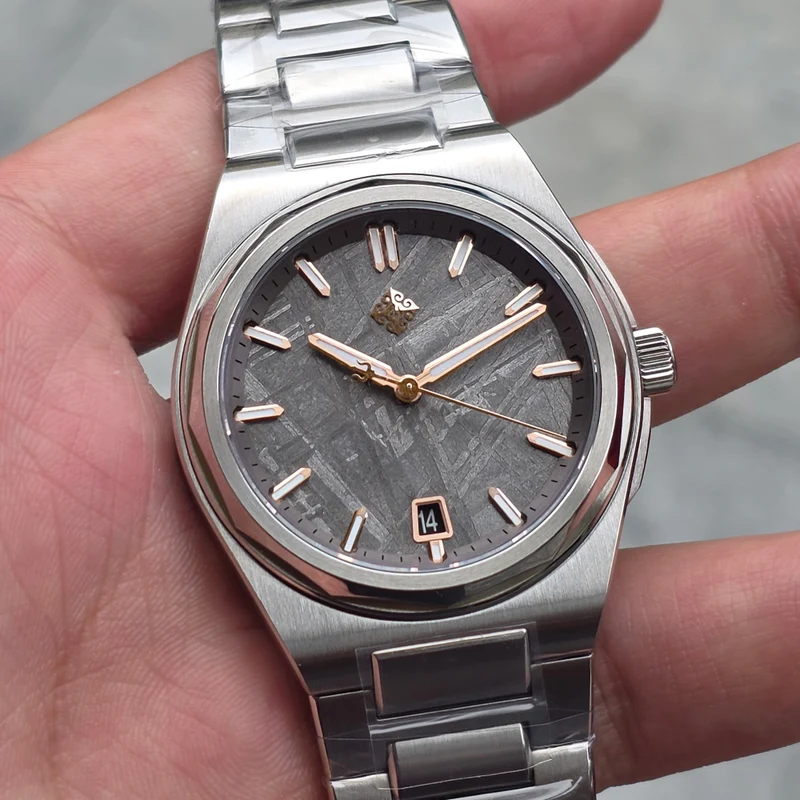
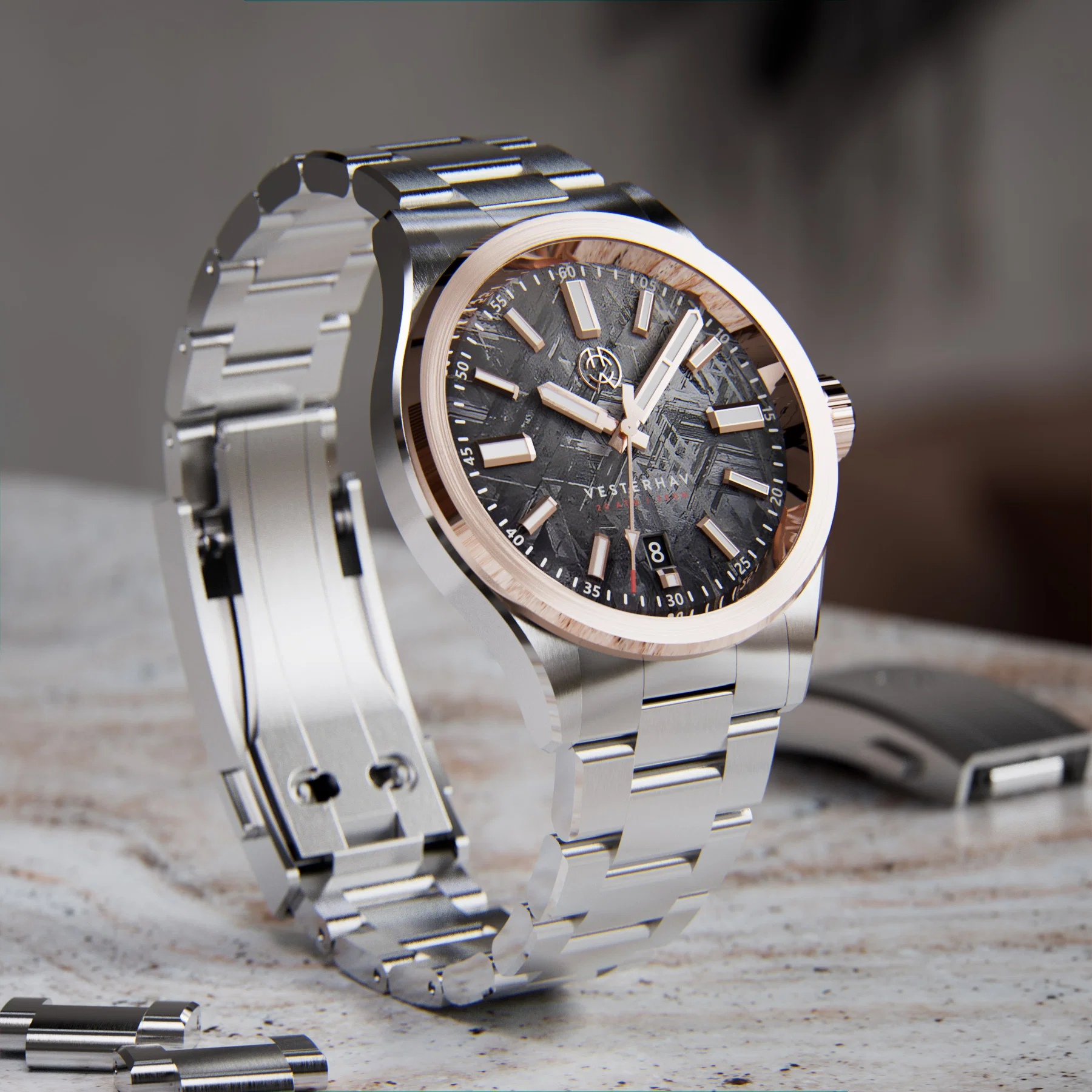
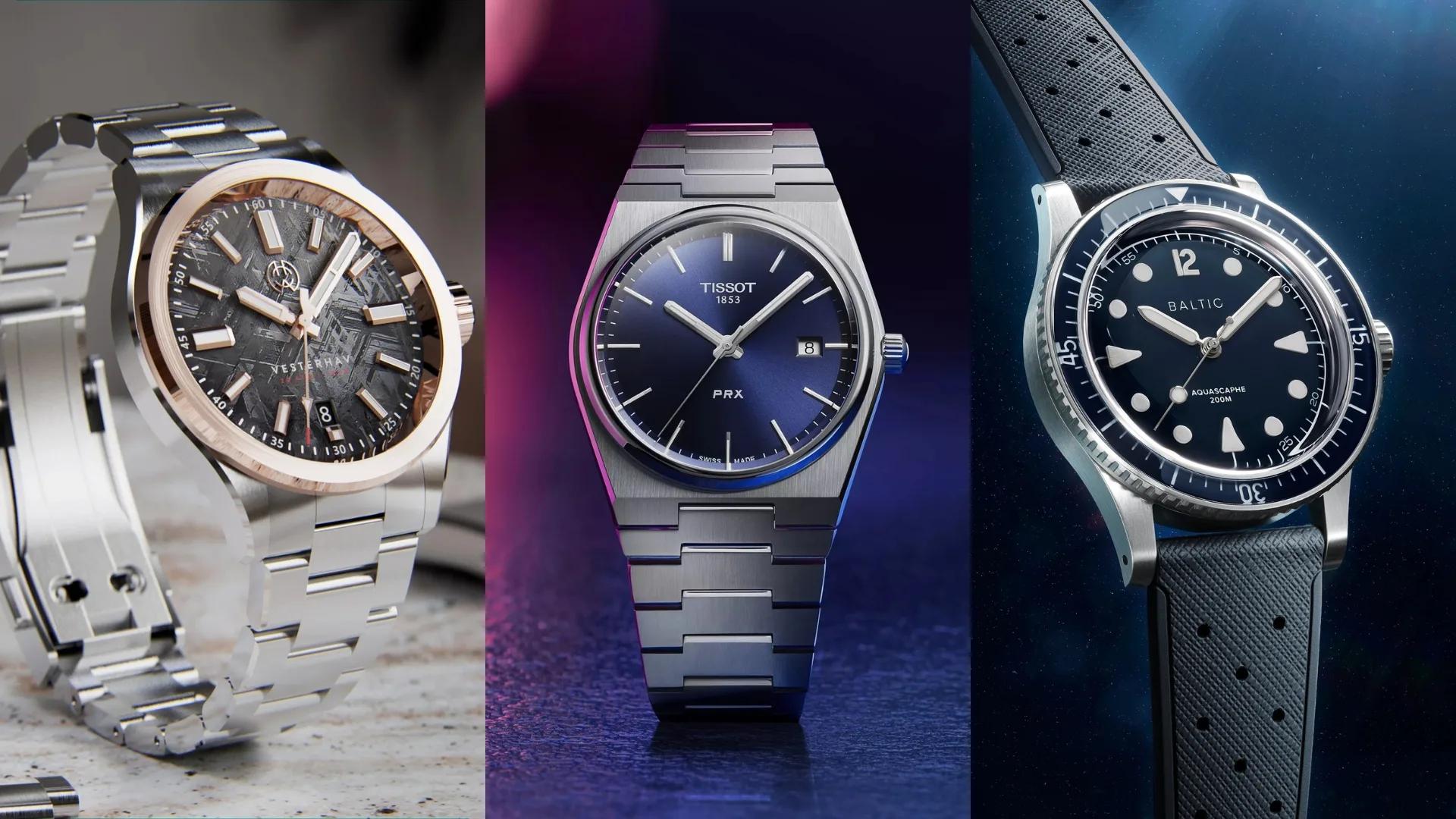
The Henry Archer Vesterhav 38 Meteorite Kosmos is the one I would point most people to. It pairs a real Muonionalusta dial with a 38mm case only 10.8mm thick, a Miyota 9015, sapphire and 200m of water resistance for €861. That is a proper everyday watch that happens to be made from space rock, not a showpiece.
IXDAO goes further on price and leans into the integrated look. Its Space Warrior V2 Date puts a genuine meteorite dial with a visible Widmanstätten pattern into a 37.5mm integrated bracelet case, with a choice of PT5000, Sellita SW200-1 or ETA 2824-2 inside. It is a pre-order from a Chinese brand, so treat it with the usual care, but it is the clearest sign yet that meteorite is moving into normal budgets.
The Tissot PRX is still the king of integrated bracelets
If one watch defines the affordable integrated bracelet, it is the Tissot PRX. Tissot revived its 1978 quartz sports watch in 2021, and five years later it is still the reference every cheaper rival measures itself against, from around $450 for the 40mm quartz.
An integrated bracelet watch has its case and bracelet designed as one shape, with no conventional lugs. The Audemars Piguet Royal Oak started it in 1972; the PRX made it affordable.
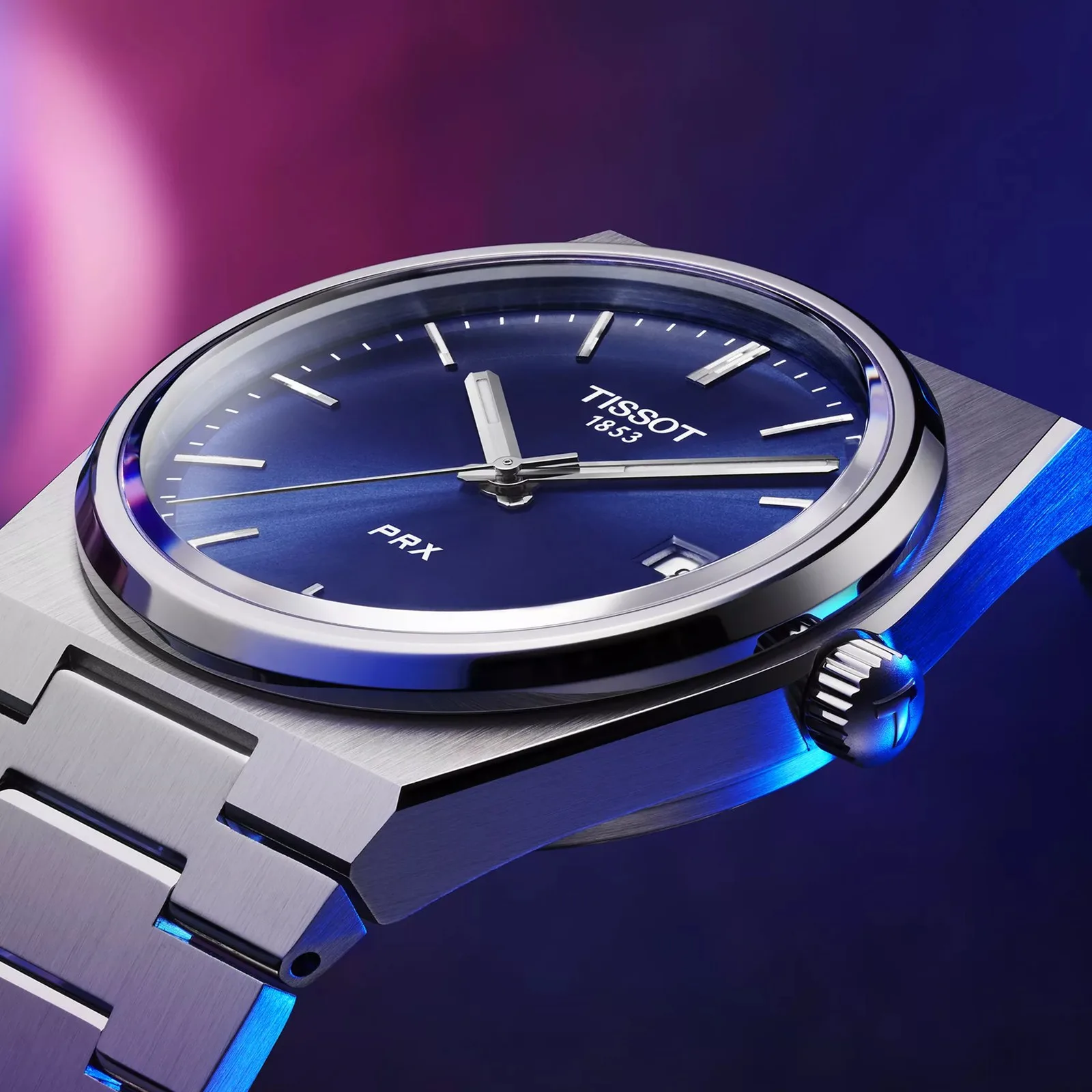
The PRX gets the basics right in a way rivals still struggle to match at the price: sapphire crystal, 100m water resistance, a quick-release bracelet, a thin case, and 35mm or 40mm sizes. If you want an automatic, the Powermatic 80 version adds an 80-hour power reserve for around £610 in the UK.
My own view is that quartz was always the PRX’s natural home, because the 1978 original was designed around a quartz movement. I made that case in my take on the PRX Quartz Chronograph, and the blue quartz chronograph is still the PRX I would buy.
Brands are coming for its slice of the market
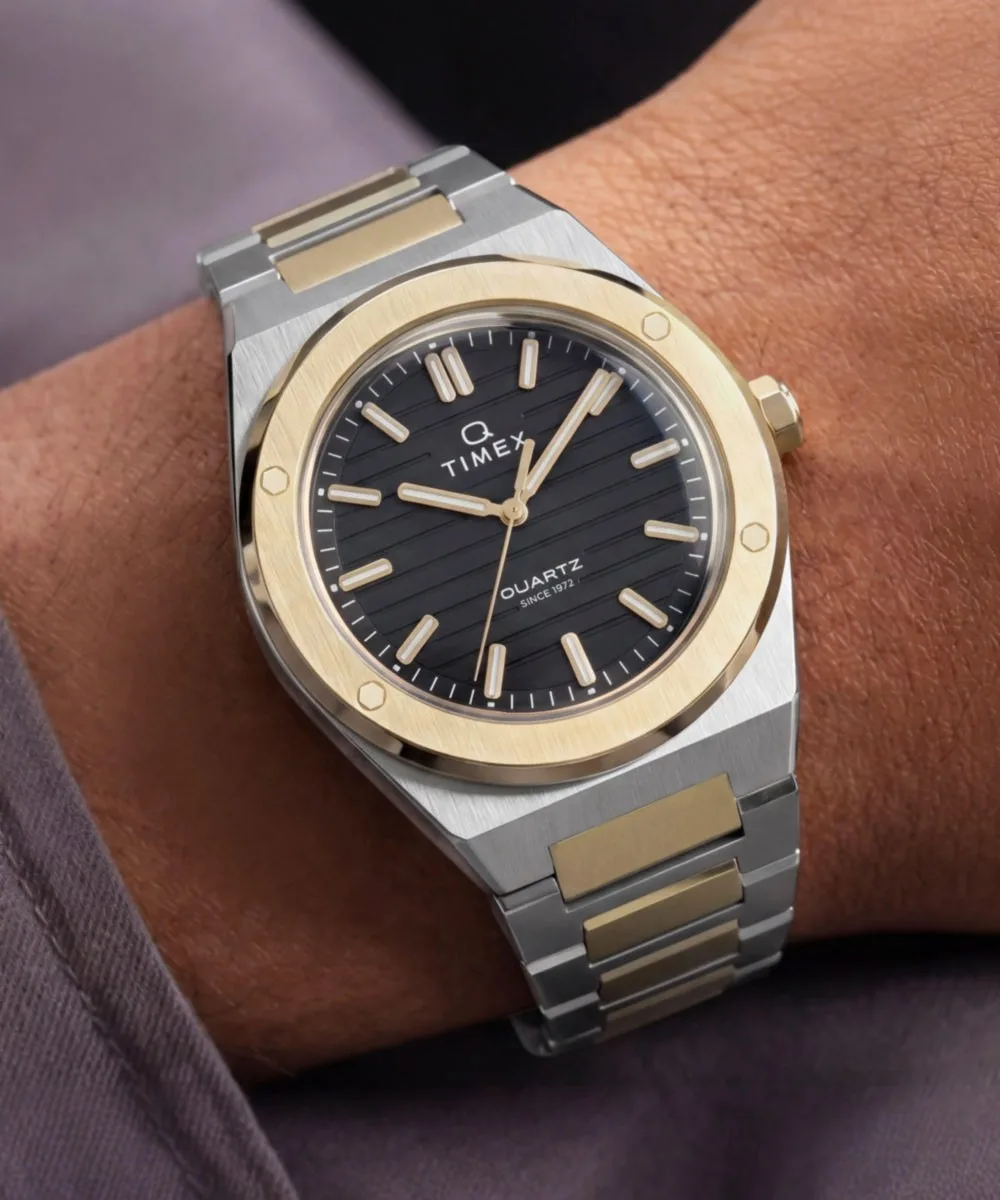
The PRX has never had this much pressure from below. The Q Timex Marbella matches the 40mm PRX quartz almost point for point (40.5mm, three hands, quartz, integrated H-link bracelet) for $219, less than half the price. It gives up 100m for 50m, sapphire for mineral glass and the quick-release system, which I covered when Timex made its move into integrated bracelets.
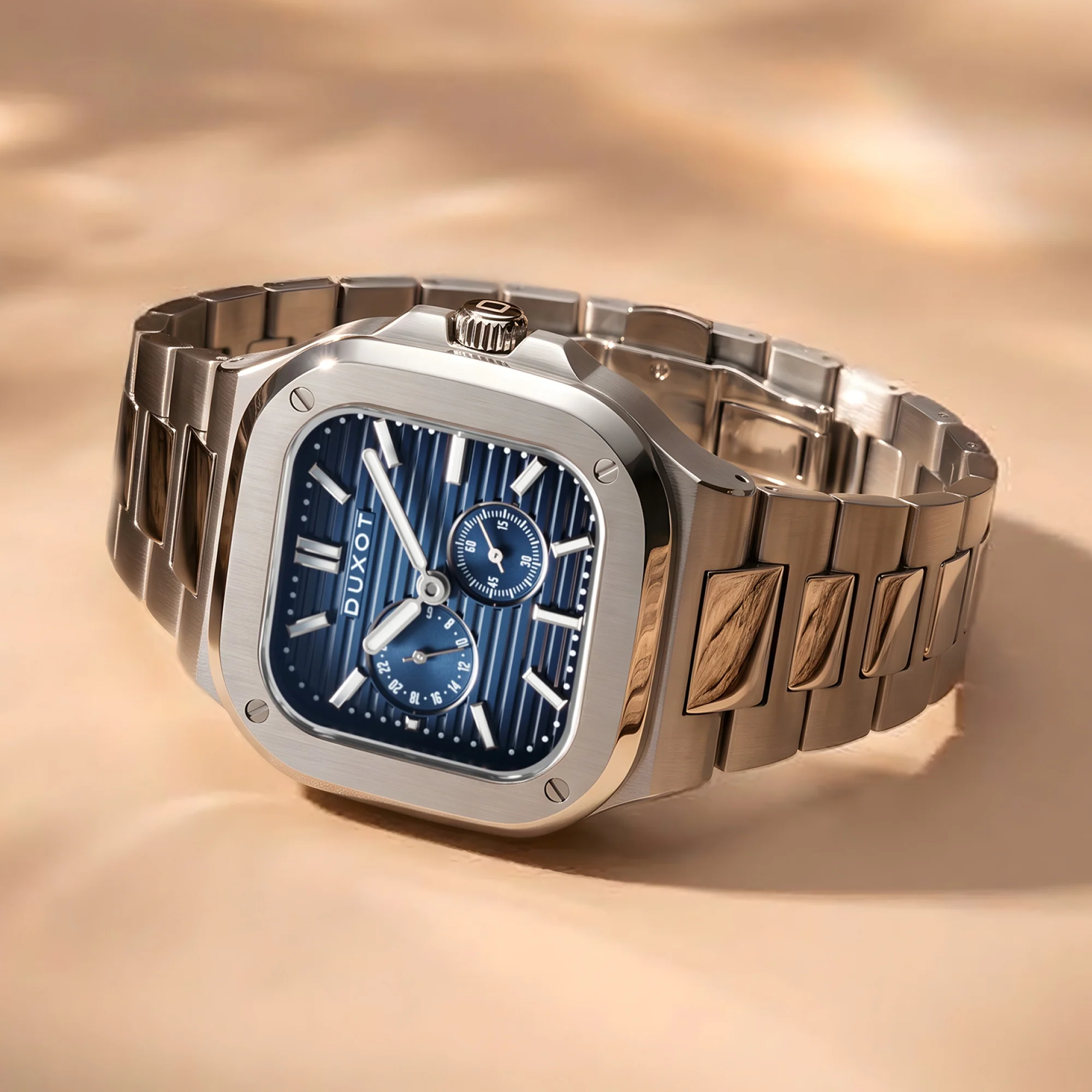
Duxot attacks from a different angle: an automatic for less than the PRX quartz. I wore the Aqua Luxe over an extended period for my Duxot Quadrata review, and at $320 it gives you a Miyota 8247 with a 24-hour indicator, sapphire crystal and a bracelet that tapers from 25mm to 17mm and wears beautifully. The weak points are the lume and a movement that does not hack.
The PRX is still the better-made watch, but its lead under $500 is shrinking every year. If I were Tissot, the Marbella would worry me more than any Swiss rival, because it sells the same look to people who were never going to pay PRX money.
The big brands are piling in too
Casio does not make sentimental decisions. Its first mechanical watch, the Edifice EFK-100, was an integrated bracelet sports watch, and in 2026 Casio updated it twice: the 38mm EFK-110 in March, with a Miyota 8215, for €279, then the EFK-200 series in July with five new references. A company that size does not do that unless the watch is selling.

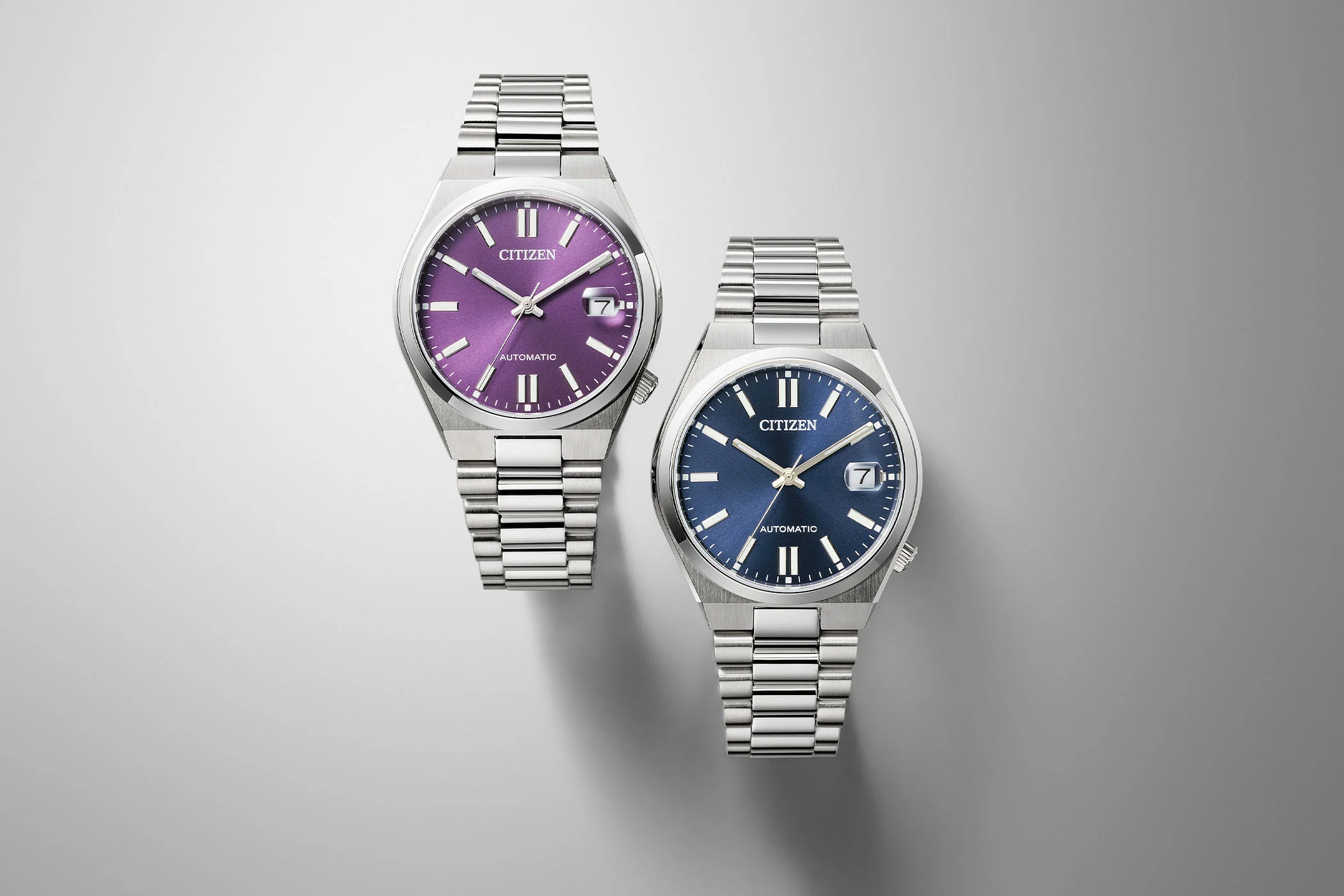
Citizen keeps widening the Tsuyosa too, and I think the Tsuyosa Shore is a strong entry point, as long as you accept that the money goes into finishing rather than accuracy.
Even the Instagram dropshipping brands, often gone within a year, push integrated bracelet watches with a vaguely Royal Oak outline as their hero models. They copy demand rather than create it, so before buying from one it is worth reading whether AliExpress watches are worth the risk.
Neo-vintage is still the default look of affordable watches
Neo-vintage means a new watch with modern parts, styled after watches from the 1950s to the 1970s, usually with a domed crystal and a smaller case. The Tudor Black Bay made the idea mainstream in 2012. Today it is the most common design language in affordable watches, and you can have it for under $200.
You get the look of an old watch without the old-watch worries, like a mystery service history or parts swapped by a previous owner.
Timex owns the budget end
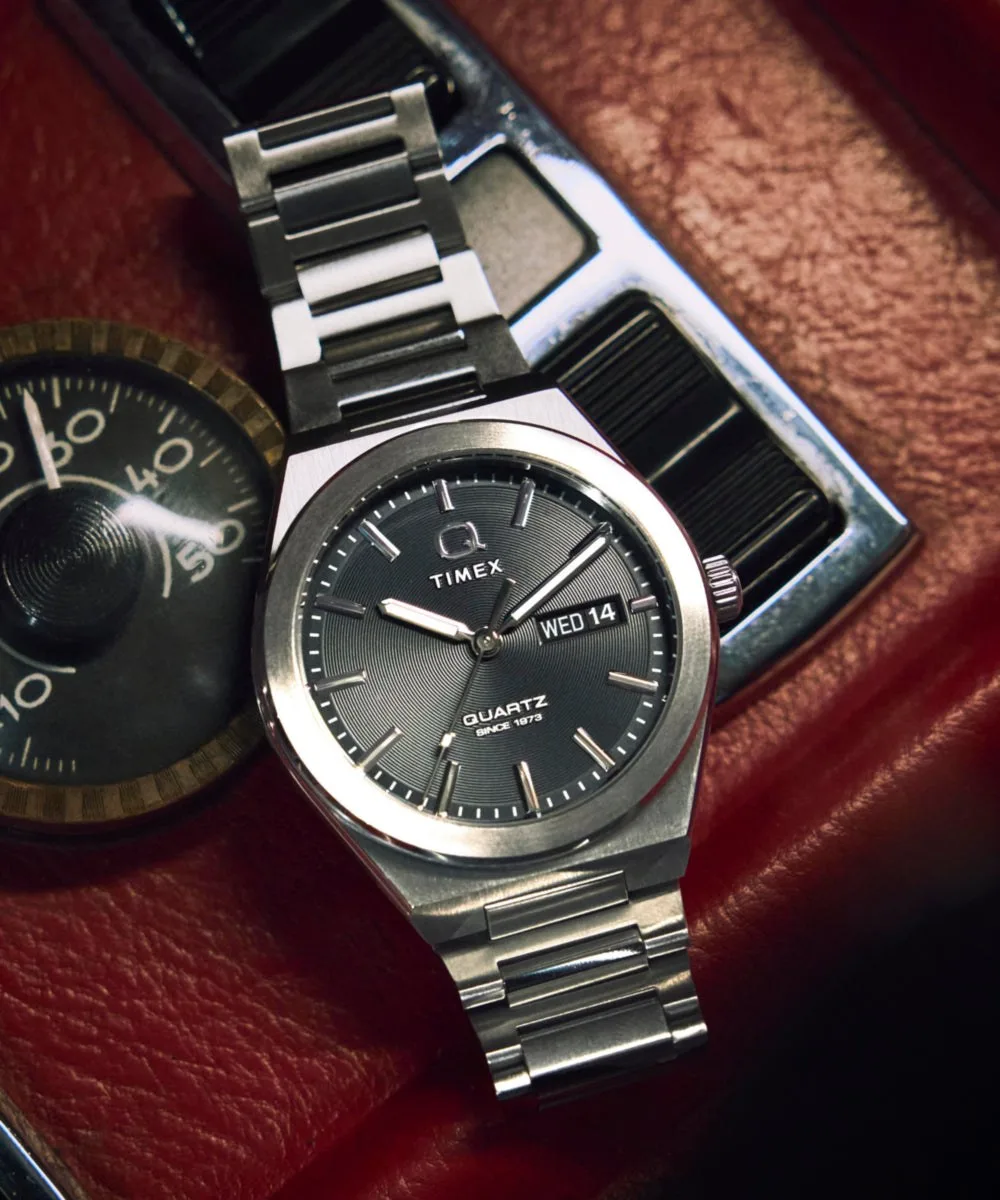
The Q Timex line is neo-vintage done cheaply and done well. The 1979 case and domed crystal are there, but the watches are updated enough to wear every day. I have called the Q line vintage design that still feels relevant today, and prices still start around $169 for the Continental Day and Date.
The best ones carry real history
Some of my favourite neo-vintage watches are not inspired by history at all. They are the history, revived.
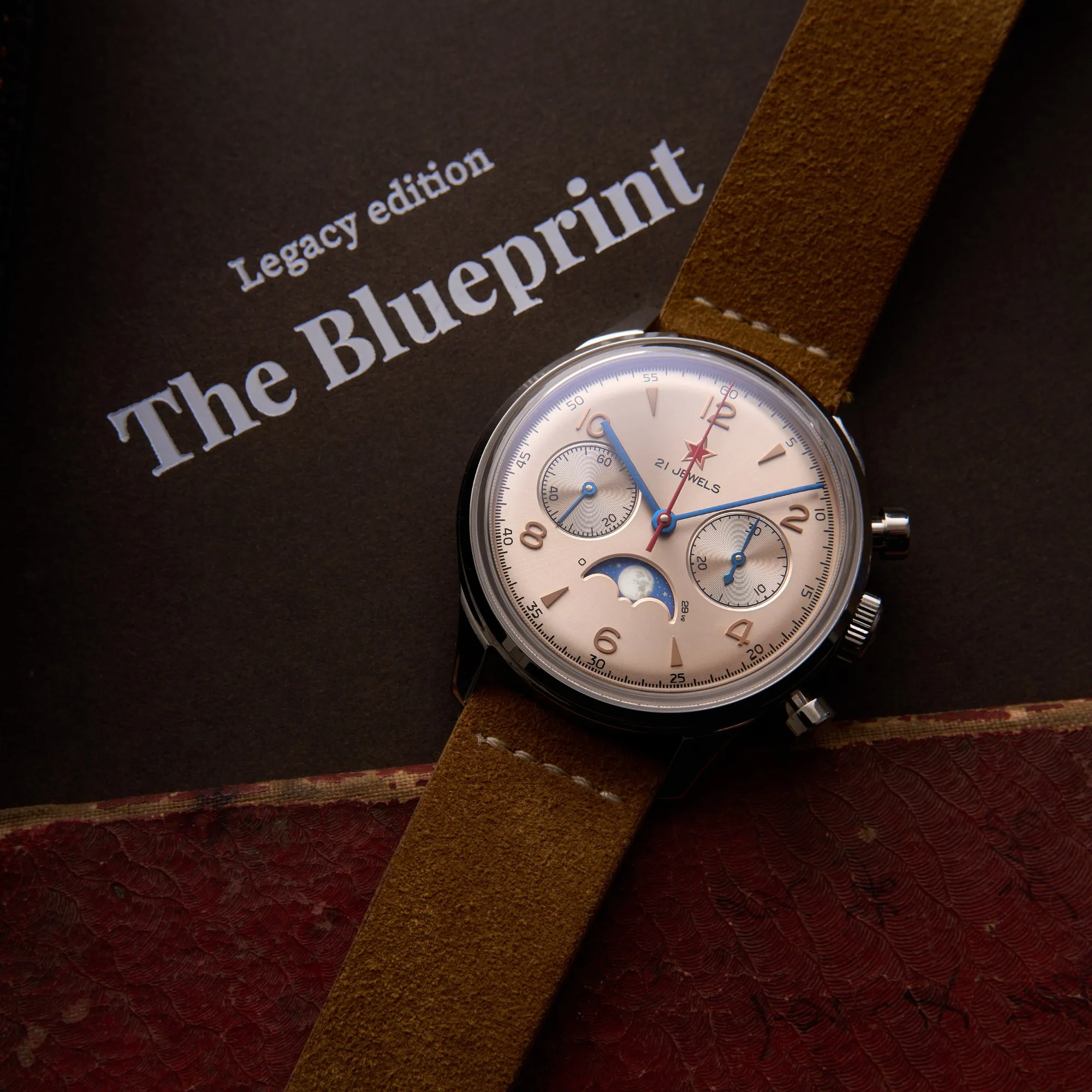
The Seagull 1963 started life as a Chinese Air Force chronograph. The Seagull 1963 Legacy Edition adds a moonphase for €479 with shipping and duties included, and it is still my pick for an affordable mechanical moonphase chronograph.
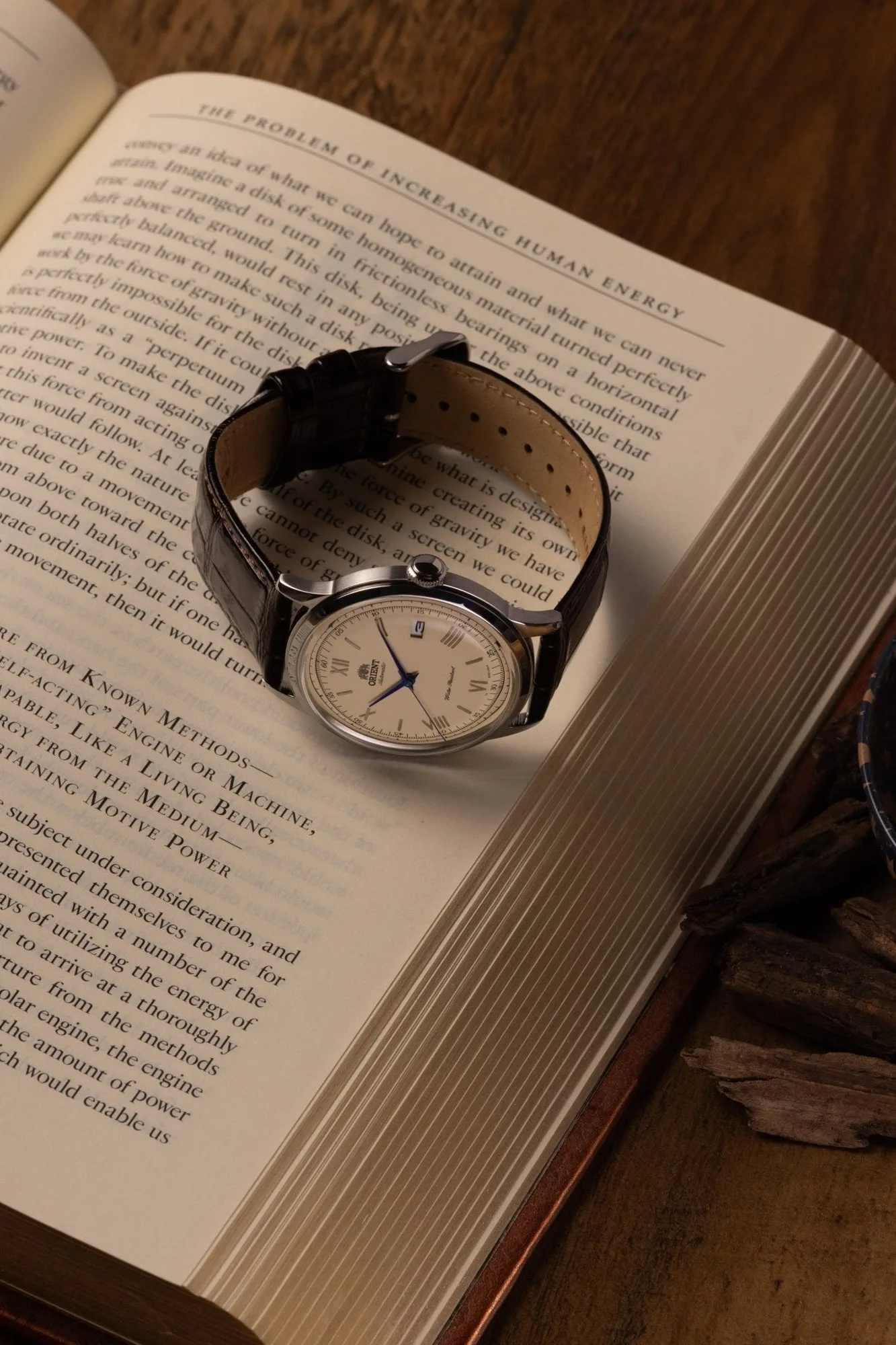
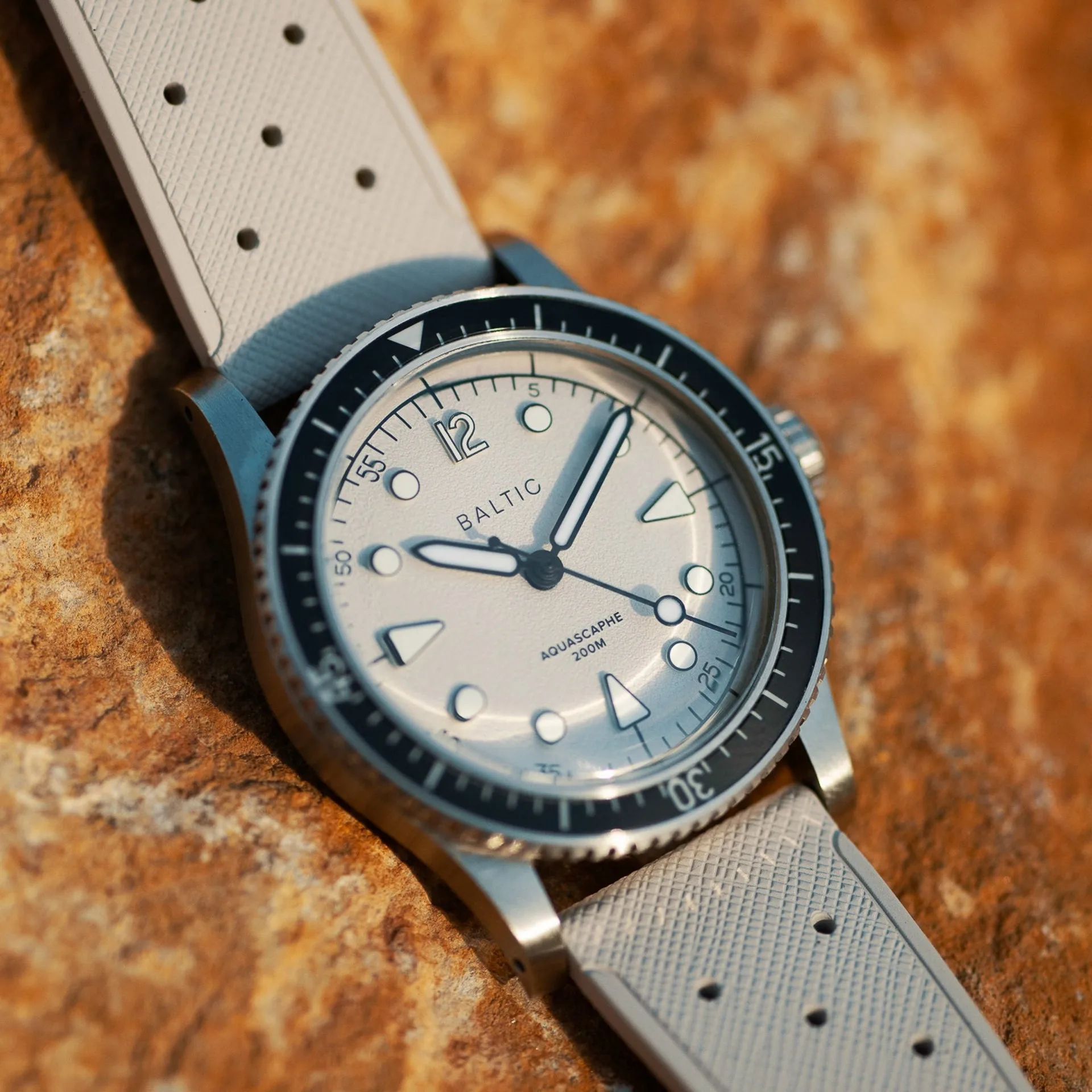
At the dress end, the Orient Bambino has done 1960s style for years with a domed crystal and a clean dial. My Orient Bambino limited edition review shows how much vintage charm 38mm and a small budget can buy. If you can stretch to around $750, the Baltic Aquascaphe MK II is still the neo-vintage microbrand diver to beat.
The fake patina may fade, the proportions will not
Not everyone loves this trend. The cream “faux patina” lume that imitates aged radium gets criticised as slightly fake, because modern lume does not age that way. I understand the complaint, and that part may well go out of fashion.
The proportions are another matter. Smaller, slimmer cases simply wear better than the 44mm watches of the 2010s, and I don’t see many people asking for those back.
The three trends overlap more every year
Pull these trends apart and they keep running back into each other. The Q Timex stone dial is a 1979 reissue with a malachite face, so it is neo-vintage and stone at once. The Venezianico Arsenale Meteorite and the IXDAO Space Warrior V2 both put a meteorite dial on an integrated bracelet. Nivada Grenchen went for all three in one watch, marking its 100th anniversary with stone dials on the 1970s-style F77, which is itself an integrated bracelet design.
That overlap is the best argument that none of this is a passing fad. All three trends answer the same need for character after years of big, similar-looking watches, and brands are now mixing them because buyers keep paying for the combination.
The other test is price. A trend that only exists at €5,000 can vanish quietly. One that Tissot, Timex, Casio and Citizen produce in volume has become a standard, and every row in this table now starts under €300.
| Trend | Under €300 | €300 to €700 | €700 to €1,300 | My pick |
| Stone dials | Q Timex stone dial ($199); San Martin SN0130 malachite ($279) | Dennison ALD ($690); IXDAO Space Warrior V2 Date meteorite ($479) | Henry Archer Vesterhav 38 Meteorite Kosmos (€861); Christopher Ward C63 Sealander Stones (from €1,050); Venezianico Arsenale Meteorite (€1,200) | Henry Archer Vesterhav 38 Meteorite, real space rock in a proper everyday watch |
| Integrated bracelets | Timex Marbella ($219); Casio Edifice EFK-110 (€279) | Duxot Taranto ($310); Duxot Quadrata ($320); Citizen Tsuyosa Shore (from €329); Tissot PRX quartz 40mm (around $450) | Tissot PRX Powermatic 80 (around £610) | Tissot PRX, still the reference the rest are chasing |
| Neo-vintage | Q Timex Continental Day and Date ($169); Q Timex Falcon Eye ($259) | Seagull 1963 Legacy Edition (€479); Orient Bambino | Baltic Aquascaphe MK II (around $750) | Seagull 1963 Legacy Edition, real history for under €500 |
Buy the watch, not the trend
My rule is simple: if you would still wear it after the trend dies, the trend does not matter. If you would not, skip it, however good the price looks.
Check where the money goes. A stone dial on a weak movement, or an integrated case on a rattly bracelet, is money spent on the trend rather than the watch. And keep an eye on value, because affordable mechanical watches have crept up in price, for reasons I explain in why affordable movements cost more now.
If I had to pick one watch under €300 from these trends, I prefer automatics, so it would be the Duxot. If quartz does not bother you, the Q Timex stone dial is the smarter buy, because it gets you two trends in one watch for $199.
Check out The Ultimate Affordable Watches Guide