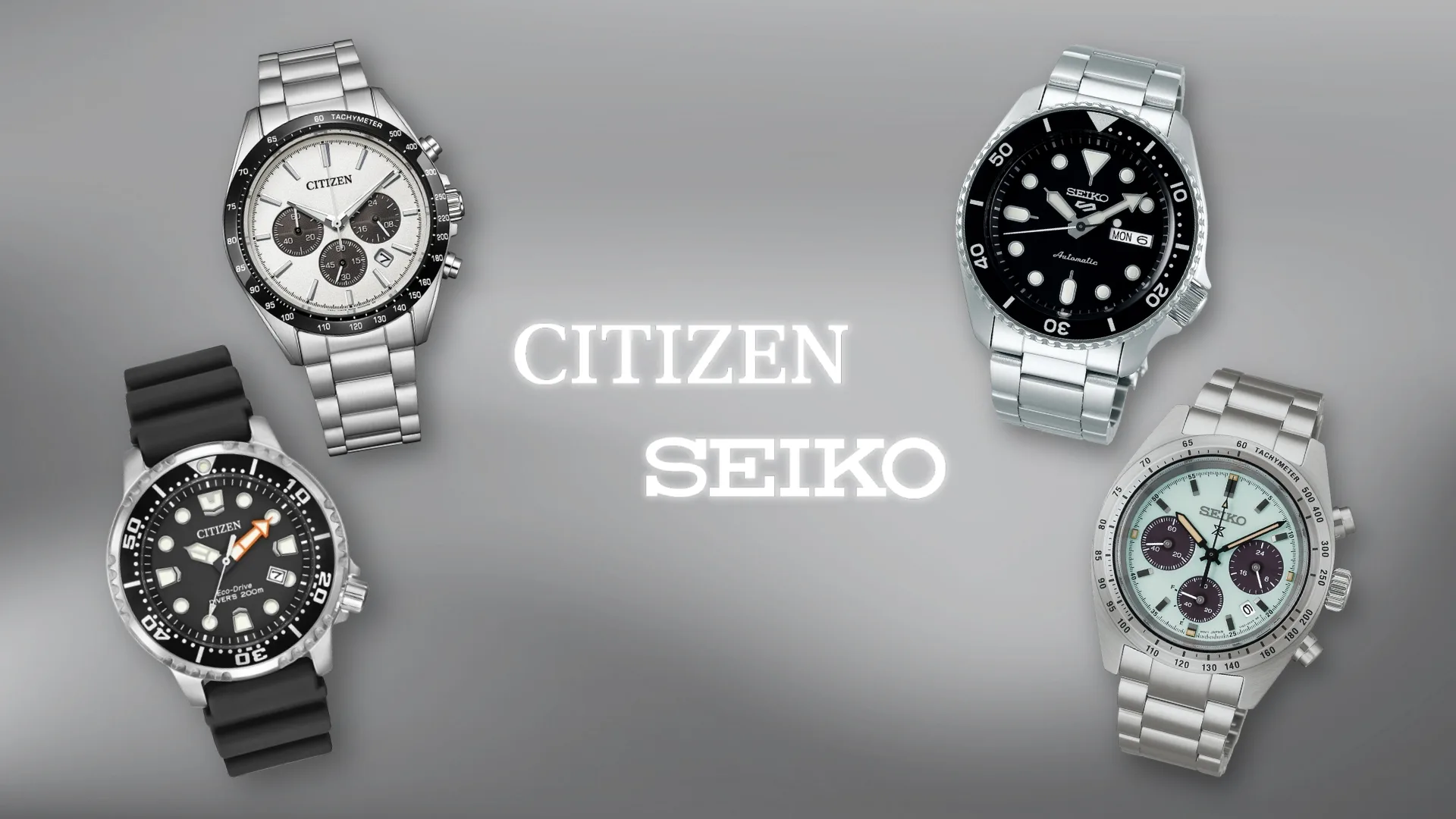

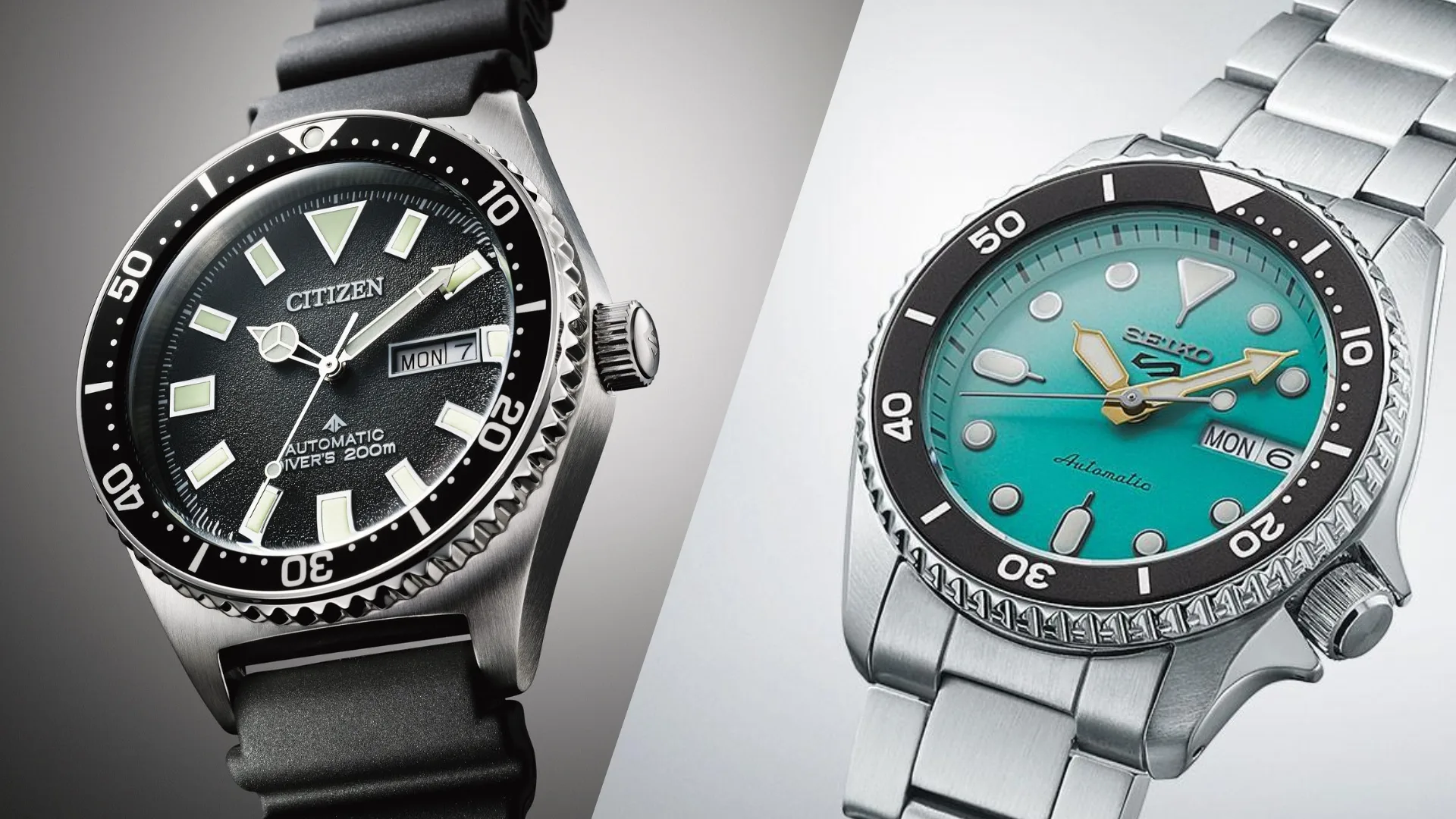
Seiko and Citizen are separate, competing Japanese companies, and neither owns the other. Under 500 euros I would buy Citizen, because Eco-Drive and the Promaster line give you more watch and less maintenance for the money and Citizen has closed the gap on finishing. Seiko wins on dial design, on mechanical support, and on resale value, which is the one real cost of choosing Citizen and only matters if you plan to keep trading up.
This is the question you will inevitably come to when choosing your first piece. It is usually framed as a quality debate. It is not one. Both companies build to a standard that shames plenty of what leaves Switzerland at the same money. The real question is what kind of relationship you want with the thing on your wrist.
They Are Not Related, and What Each One Owns Changes the Answer
Seiko does not own Citizen. Citizen does not own Seiko. They have never merged, never shared a parent, and have competed head to head since the 1930s.
What sits underneath each one is the useful part.
Citizen Watch Co. owns Bulova, bought in 2008. It owns Miyota, the movement arm powering an enormous share of the microbrands you see on Kickstarter and AliExpress. It bought Frederique Constant and Alpina in 2016, and through La Joux-Perret it owns Arnold and Son.

Seiko’s side is stranger, and not in the way people assume. Seiko Group Corporation and Seiko Epson are two separately listed companies with their own shareholders, holding barely 3% of each other. Orient belongs to Epson, which means Seiko and Orient are not siblings under one owner. They are cousins from the same Hattori lineage, and Epson still supplies Seiko Watch Corporation with Spring Drive, quartz Grand Seiko and the Astron GPS calibers. Common ancestry and a supply contract, not common ownership.
If the internal tiers confuse you, I broke down how the Seiko lineup is actually stacked separately.
At this price, in a shop or on a marketplace, you are frequently comparing two watches that came out of the same two industrial groups anyway. The badge is a smaller part of the decision than it looks.
Eco-Drive vs Seiko Solar
Citizen will happily tell you about the Caliber 0100 and its accuracy of one second a year. Ignore it. You are not buying that watch and neither am I.
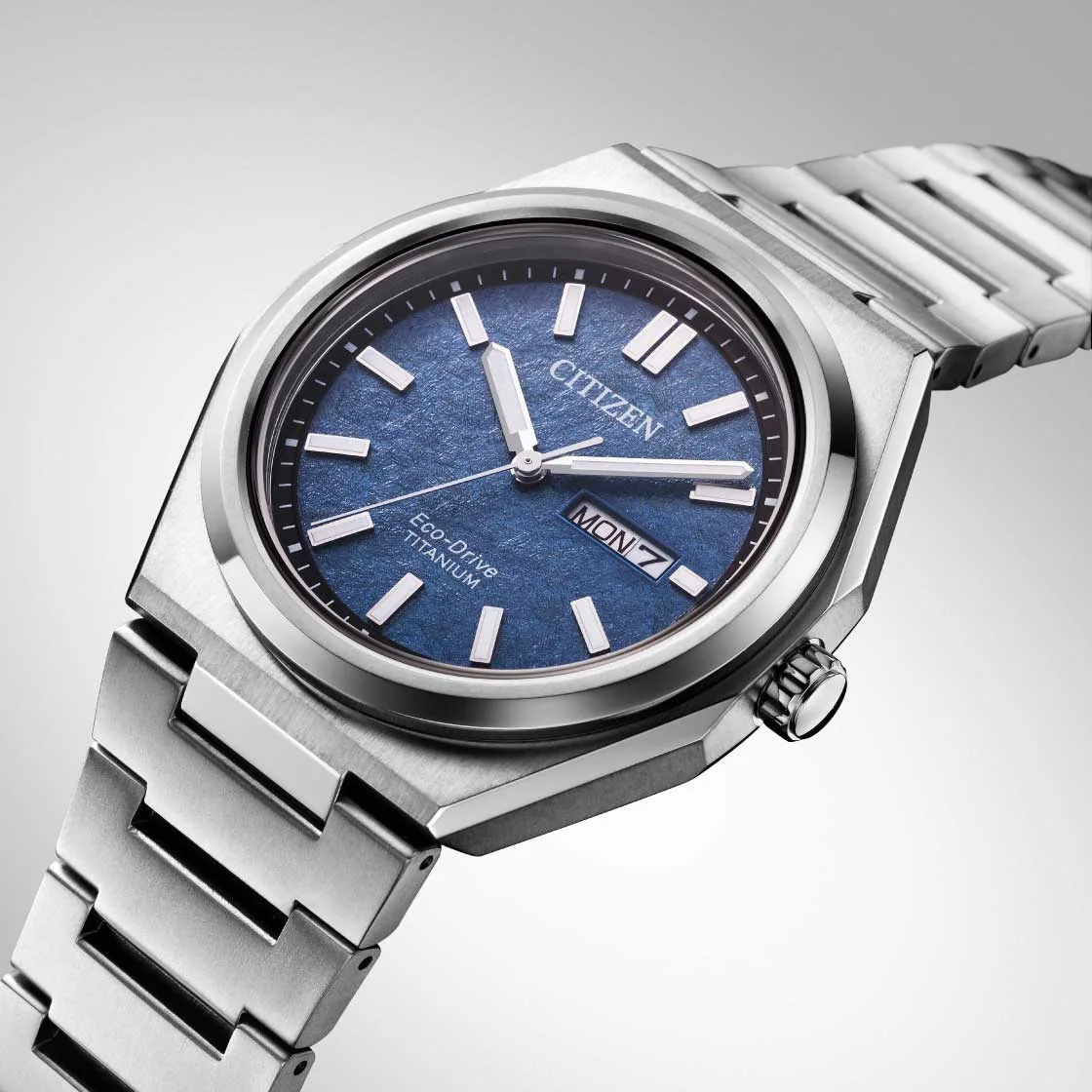
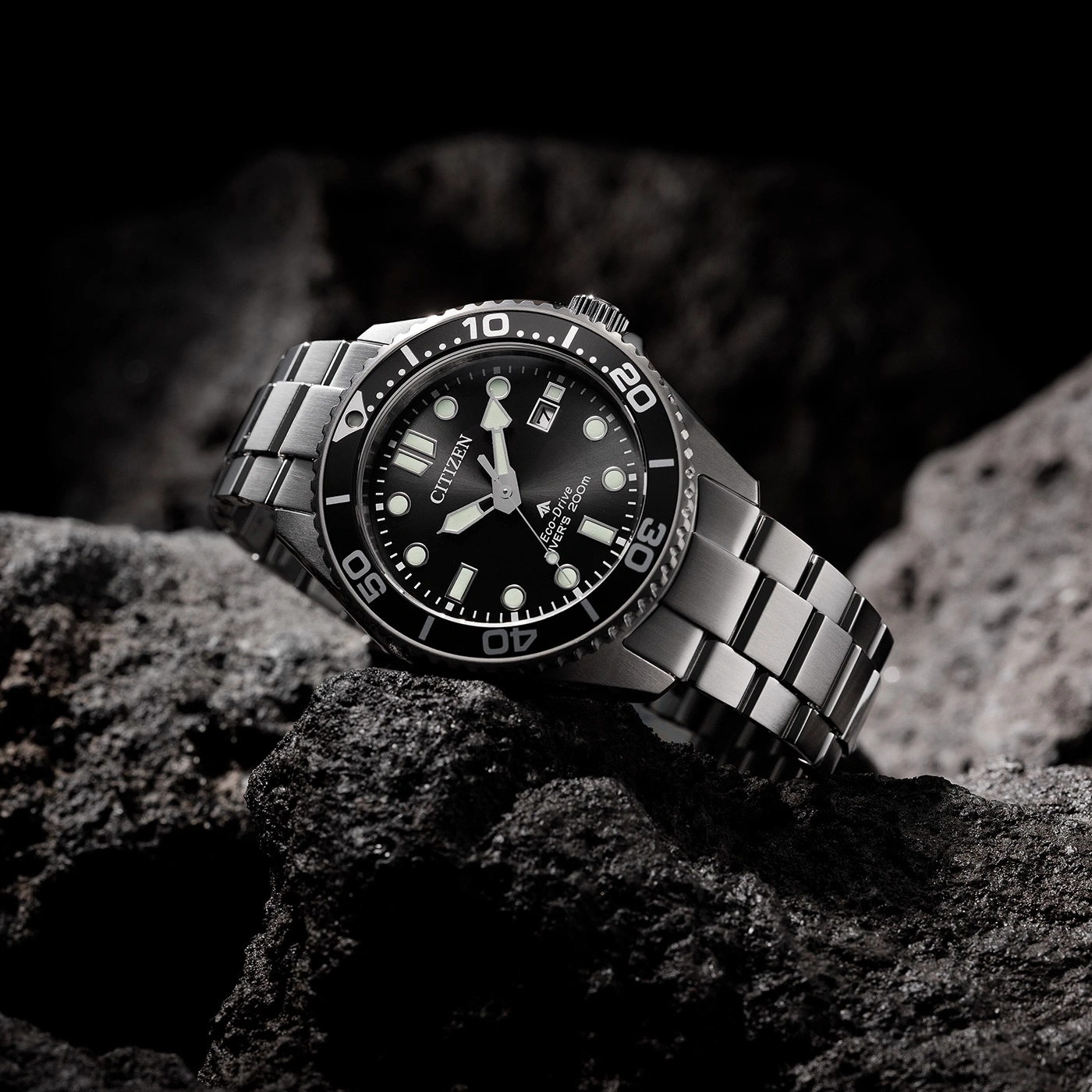
What everybody else will tell you is that Eco-Drive is the reason to pick Citizen. That is half true, and the half that is wrong is the half everyone repeats. Eco-Drive gets compared against a Seiko automatic, which is a comparison between two different things: one is solar quartz, the other is a mechanical movement. Put Eco-Drive against the thing it actually competes with, which is Seiko Solar, and the picture changes.
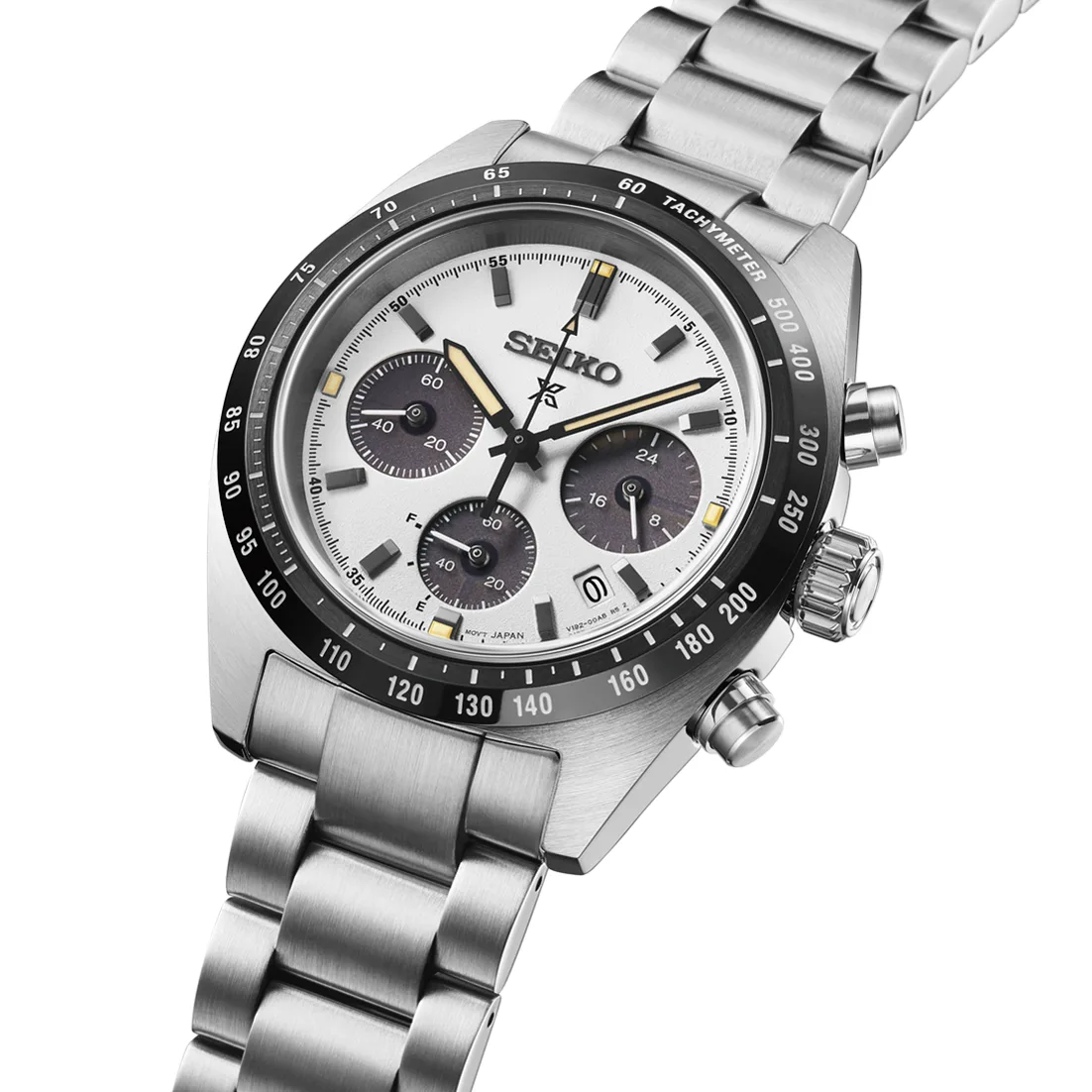
Seiko’s V157, the solar caliber in the Prospex divers, is rated to plus or minus fifteen seconds a month and holds up to ten months of reserve from a full charge. Citizen’s J810, one of the most widely used Eco-Drive calibers in the catalogue, is rated to plus or minus fifteen seconds a month and holds around eight. Same accuracy. Seiko slightly ahead on reserve.
| Caliber | Type | Rated accuracy | Reserve, full charge |
| Citizen J810 (Eco-Drive) | Solar quartz | +/- 15 s per month | About 8 months |
| Seiko V157 (Solar) | Solar quartz | +/- 15 s per month | Up to 10 months |
So Citizen’s solar advantage is not technical at all. It is that Citizen actually sells it to you. Eco-Drive is in hundreds of references across every collection and every price, while Seiko Solar lives in a narrow slice of Prospex and a handful of mid-range models, and everywhere else Seiko steers you toward a mechanical. Which is a strategy, not an accident: Seiko bet the brand on the older argument about winding things yourself, and Citizen bet on you never having to.
That still counts as a win for Citizen, just a different one. You are not buying better solar technology. You are buying the brand that will actually sell you the watch you want with solar inside it.
On Mechanical, Compare Calibers, Not Brands
Flip to the mechanical axis and the whole thing has to be argued differently, because here the two groups meet as movement makers rather than as watch brands.
Citizen builds its mechanicals through Miyota, and sells the 8000 and 9000 series to anyone who wants them. Seiko does exactly the same thing, selling the NH version of its 4R calibers through Time Module. So the honest pairings are not “a Citizen against a Seiko”. They are Miyota 8000 against Seiko 4R at the entry, and Miyota 9000 against Seiko 6R one step up. Citizen-branded watches usually carry their own numbering, like the 8203 in a Promaster or the 9051 in Series 8, but the engineering family is the same.
| Caliber | Beat rate | Jewels | Reserve | Rated accuracy | Thickness |
| Miyota 8215 | 21,600 vph | 21 | 42 h | -20 / +40 s per day | 5.67 mm |
| Seiko 4R36 | 21,600 vph | 24 | 41 h | -35 / +45 s per day | 5.32 mm |
| Miyota 9015 | 28,800 vph | 24 | 42 h | -10 / +30 s per day | 3.90 mm |
| Seiko 6R35 | 21,600 vph | 24 | 70 h | -15 / +25 s per day | 5.25 mm |
Miyota 8000 vs Seiko 4R
Look at the ratings again, because they are the opposite of what the internet assumes. Miyota asks for -20/+40 seconds a day. Seiko asks for -35/+45. That is a 60 second window against an 80 second one, and the movement with the cheaper reputation is the one carrying the tighter spec.
And this stopped being an academic comparison about two years ago, because the industry has been voting with its wallet. The NH35, which is the third-party version of Seiko’s 4R, went from around $43 in 2018 to roughly $59 by April 2026. A Miyota 8215 wholesales at $29 to $34. Time Module fills Seiko’s own orders before anyone else’s, so supply gets tighter before it gets looser, and microbrands that built entire catalogues on the NH35 have been moving across. I went through the whole thing in why cheap movements got expensive. If you have bought an affordable automatic in the last two years, there is a fair chance you already own a Miyota and nobody mentioned it.
Seiko takes this tier back on everything that is not the spec. Twenty four jewels against twenty one, a slightly thinner movement, and a repair ecosystem so large that any watchmaker anywhere has seen a 4R. That last part is worth more in year eight than forty seconds a day is worth in week one.
Miyota 9000 vs Seiko 6R: two answers to different questions
Here the two stop competing and start diverging. The 9015 runs at 28,800 vph against the 6R35’s 21,600, which gives it the smoother sweep, and at 3.9mm it is dramatically thinner, which is exactly why microbrands building slim cases reach for it. Seiko answers with seventy hours of power reserve against forty two, and a rating of minus fifteen to plus twenty five that is the tightest of the four.
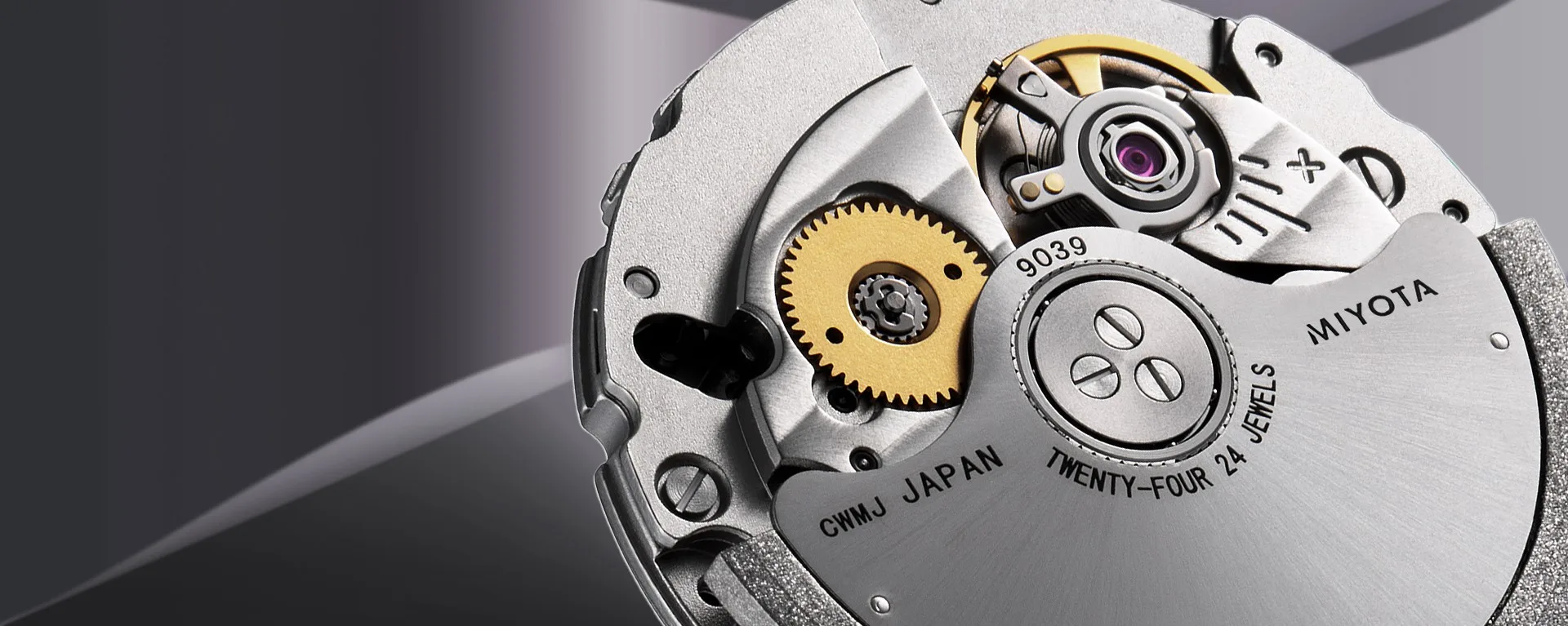
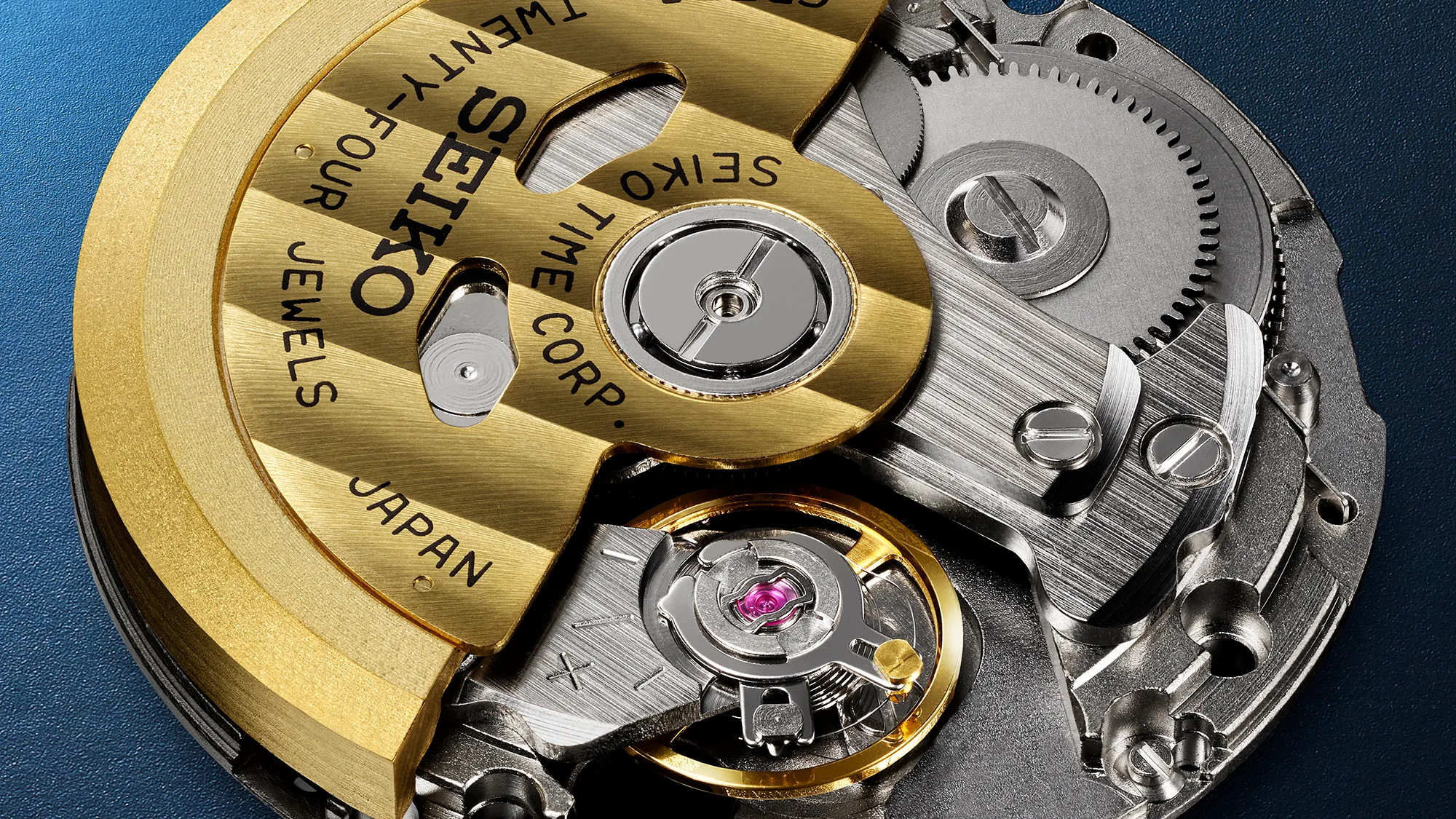
Put plainly: Miyota built the better movement to design a watch around, and Seiko built the better movement to live with. Take the 9000 if you want something thin and fast. Take the 6R if you want to put it down on a Friday and find it running on Monday.
So the honest verdict on mechanicals might be a draw decided by what you value, not a win. Honestly, I prefer the Miyota 9000. The smoother sweep has my heart.
Seiko Owns the Affordable GMT
Everywhere else in this comparison there is an argument to have. Here there is not.
In 2022 Seiko dropped the 4R34 into the Seiko 5 Sports GMT, the SSK001 and its two siblings, and invented a category that did not previously exist: a mechanical GMT from a major brand for around $475. It widened the line in 2023 with the SSK017 group, and Prospex carries the 6R54 above that. Nobody else in Japan has matched it, and it reshaped the affordable GMT field as it stands now more than any release of the last five years.
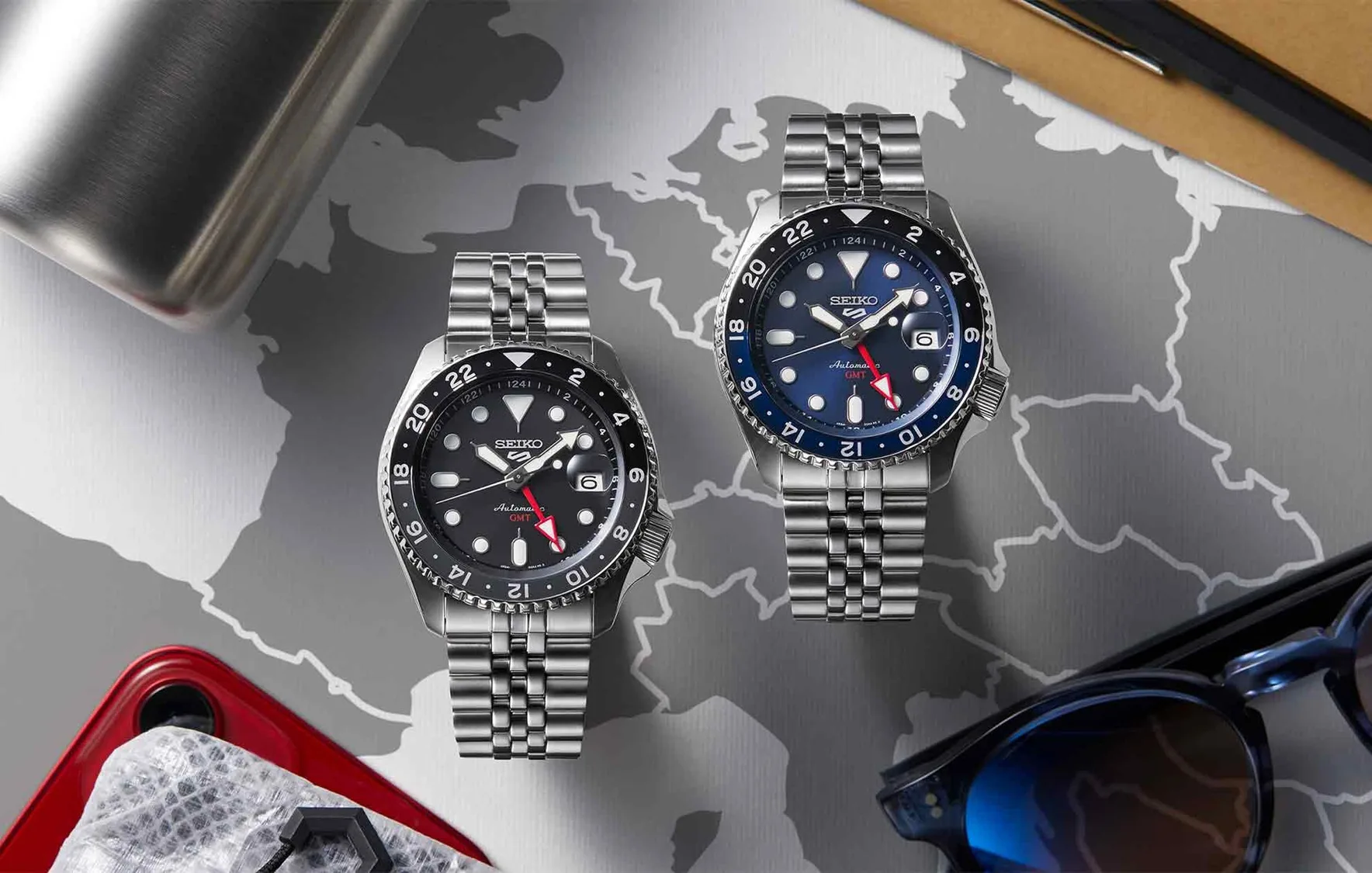
Citizen’s cheapest mechanical GMT is the Series 8 880 with its Caliber 9054, a 41mm watch at $1,525. That is more than three times the price of the Seiko, and it is a lovely thing, and it is not an answer to the question anyone is asking. Below it, what Citizen offers is a quartz world timer in the Promaster pilot family, which is a good watch and a different species: a flight computer with a slide rule, not a second time zone you read at a glance.
One honest caveat, because the Seiko is not perfect. The 4R34 is a caller GMT, so you set the fourth hand independently rather than jumping the local hour hand forward when you land. Frequent travellers notice that within one trip, and it is the single most common complaint about the SSK series. It does not change the verdict, because the alternative at this price is not a worse GMT. It is no GMT.
Citizen does have a real answer, and it is solar, which is exactly where its advantage should have been all along. The Promaster Land GMT arrived in February 2026 in two references, BJ7150-50W in red and BJ7150-09L in blue, running the Eco-Drive Caliber B878 in a 39.5mm steel case at $595. A GMT that needs no winding and is still on the right minute after four months in a drawer is precisely the watch a second time zone wants to be, and on paper Citizen should have walked this.
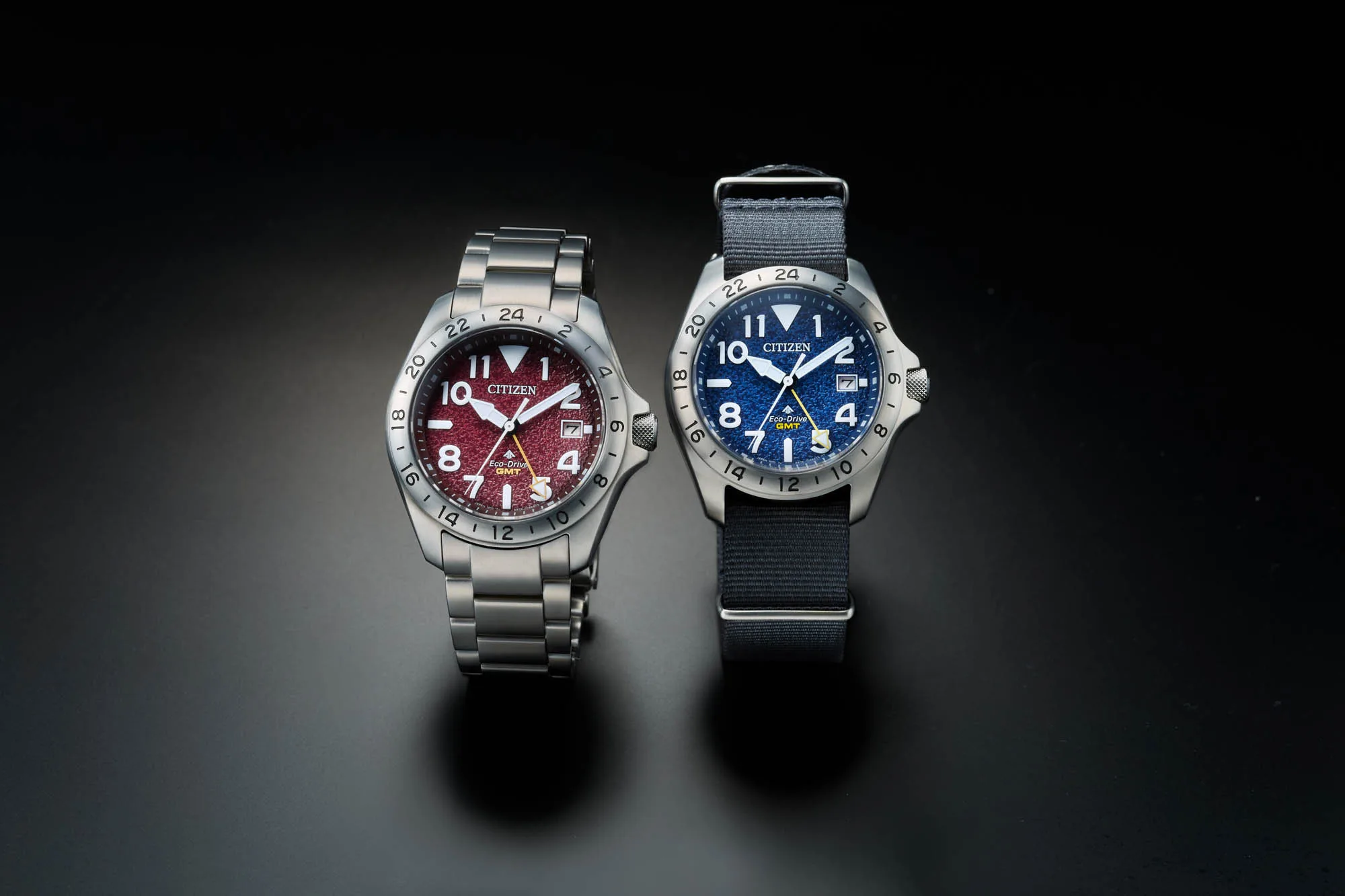
Three things stop it. It costs $120 more than the Seiko, which is the wrong direction for a brand whose whole argument is giving you more for less. The 24-hour bezel is fixed rather than rotating, so you get two time zones where the Seiko technically gives you a third. And this one is only my opinion, but I do not like how it looks: the textured dial and the slab of a case read as rugged outdoor gear rather than a travel watch, and next to an SSK001 it looks like it is trying much harder.
Seiko 5 Sports vs Tsuyosa Is the Closest Fight
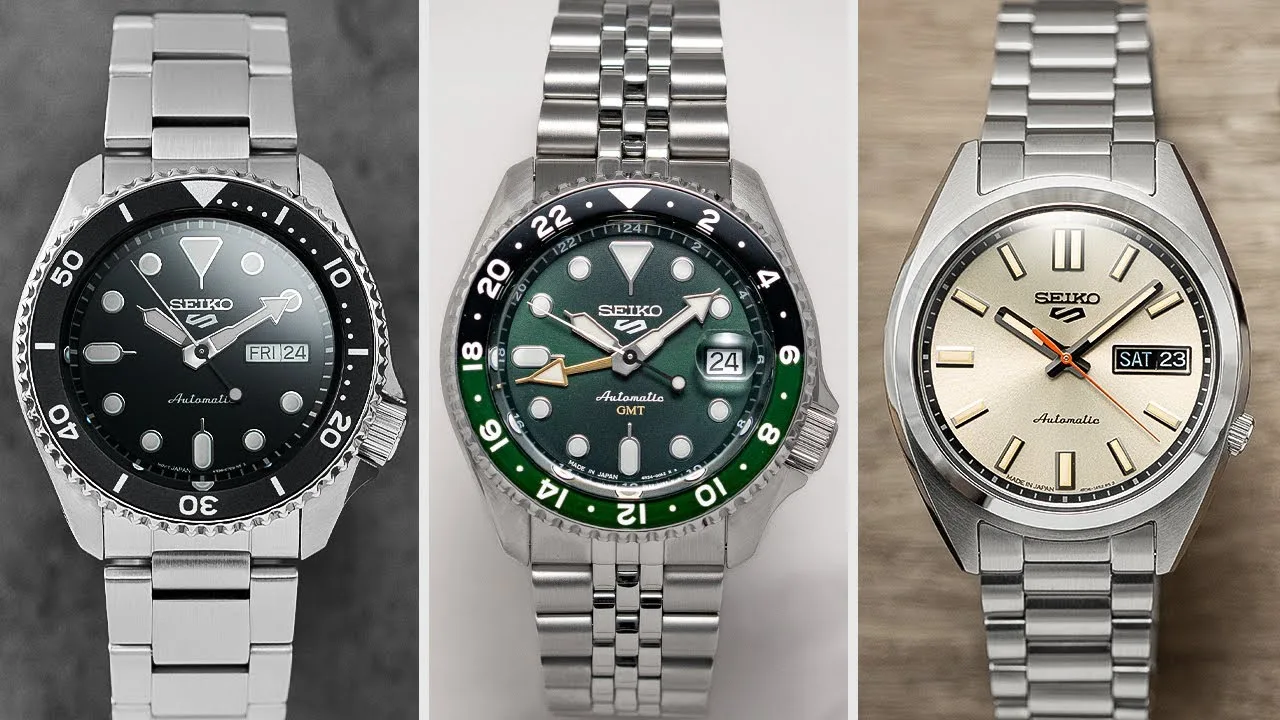
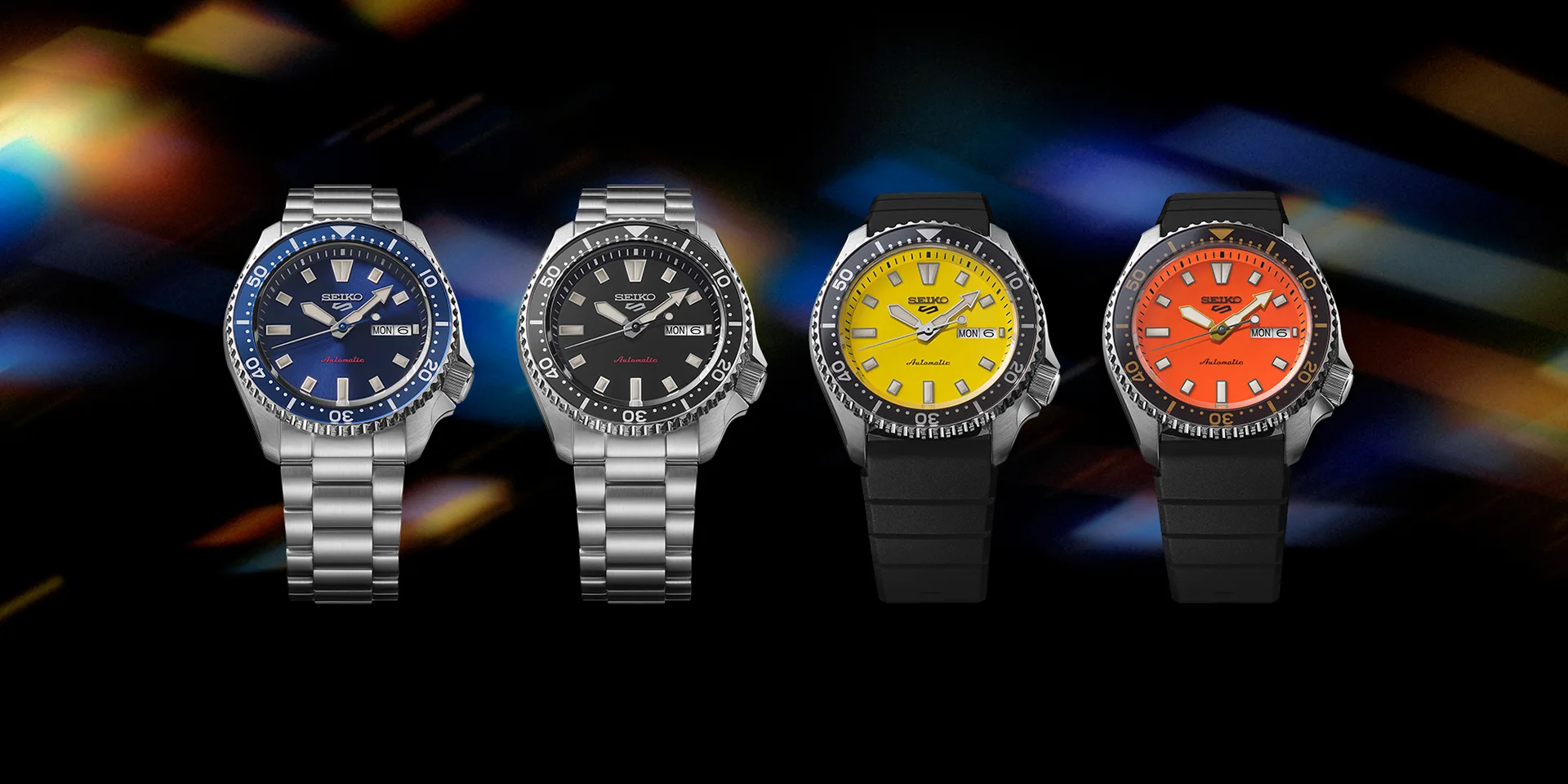
Worth getting the terms straight first, because these are not the same kind of thing. Seiko 5 Sports is a family: dozens of references spread across field, GMT, dressier Suits Style and the SKX-shaped 5KX, all sharing a name. The Citizen Tsuyosa is one watch, offered in two sizes and a long list of dial colours. So people asking which is better are comparing a catalogue against a single design.
That single design is very good. The Citizen Tsuyosa sits around 300 to 400 euros and gives you a better bracelet, a better dial and a better finished case than most Seiko 5 Sports at similar prices. Citizen also kept the case sensible at 37 to 40mm across the range, which on a 6.5 inch wrist such as mine matters more than any number on the box.
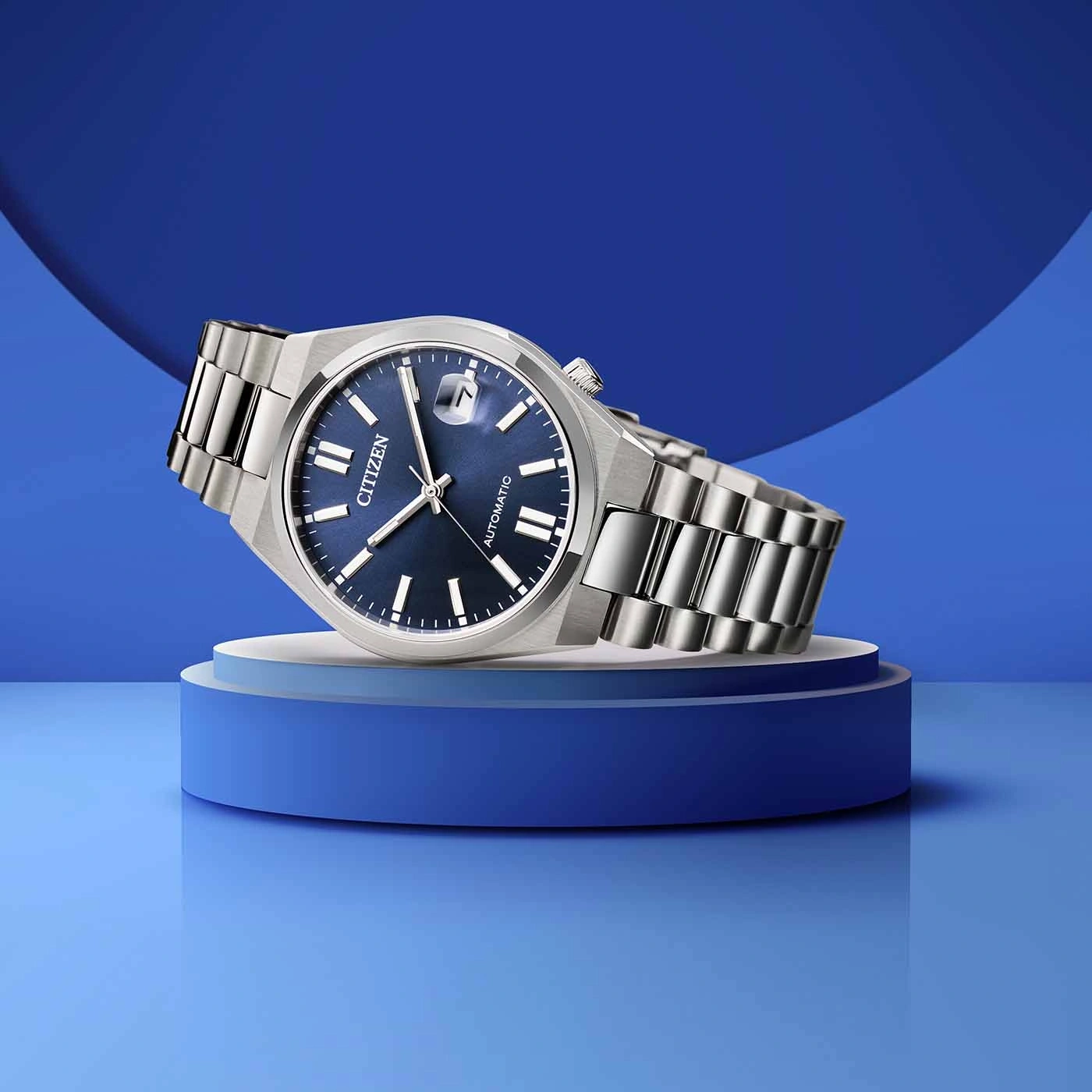
Seiko answers with volume. There are hundreds of Seiko 5 references, including field, GMT and the SKX-shaped 5KX, so whatever you have in your head, Seiko probably already made it. Seiko dials are also better designed, and that gap is real. If you want the narrower version of this question, which specific watch to buy as a first Japanese automatic rather than which brand to trust, I already put three of them head to head and the answer there was Citizen too.
Prospex vs Promaster
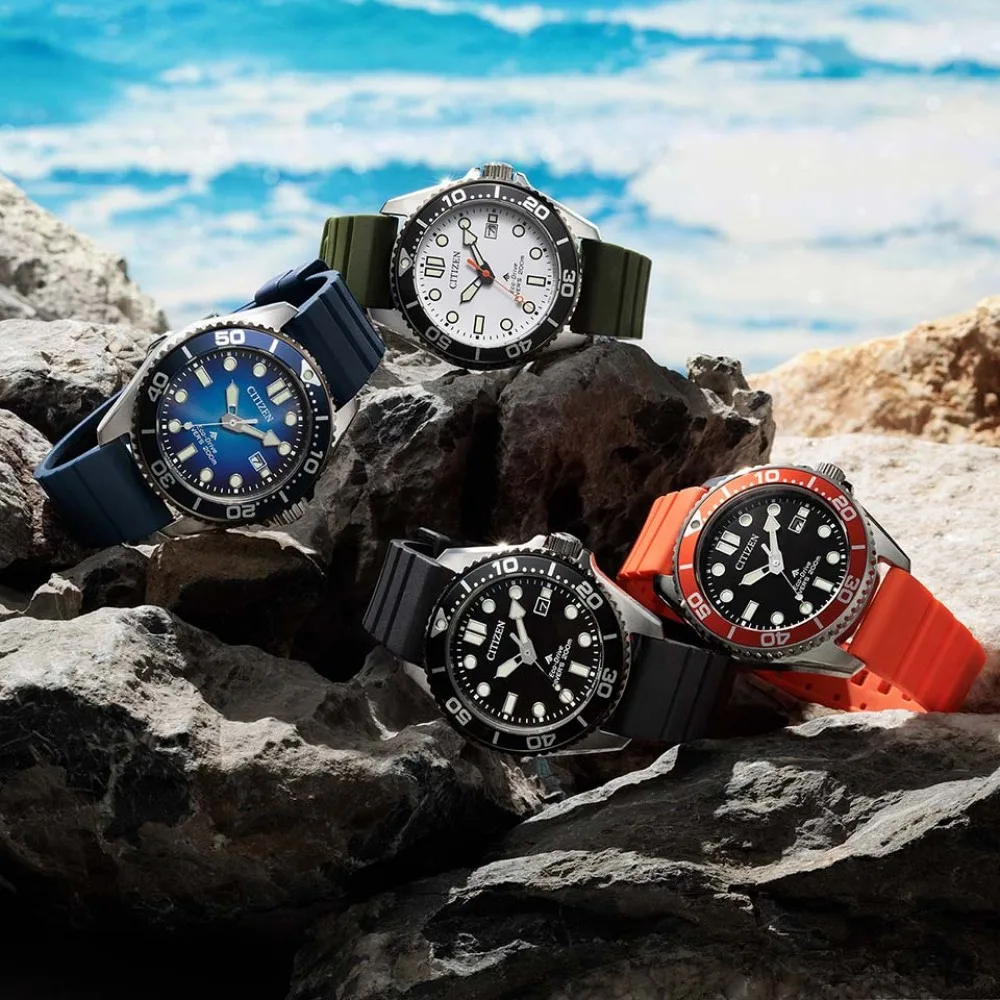
If you swim, dive, or just resent taking a watch off, buy the Citizen, and it is not a close call. The Promaster Diver is ISO 6425 certified, the bezel action is better than anything Seiko sells near the money, and the lume is genuinely strong rather than merely adequate. The Eco-Drive versions never need opening for a battery at all, and Super Titanium, hardened with Citizen’s Duratect treatment, is lighter than steel and shrugs off scratches that would mark a Seiko bracelet.
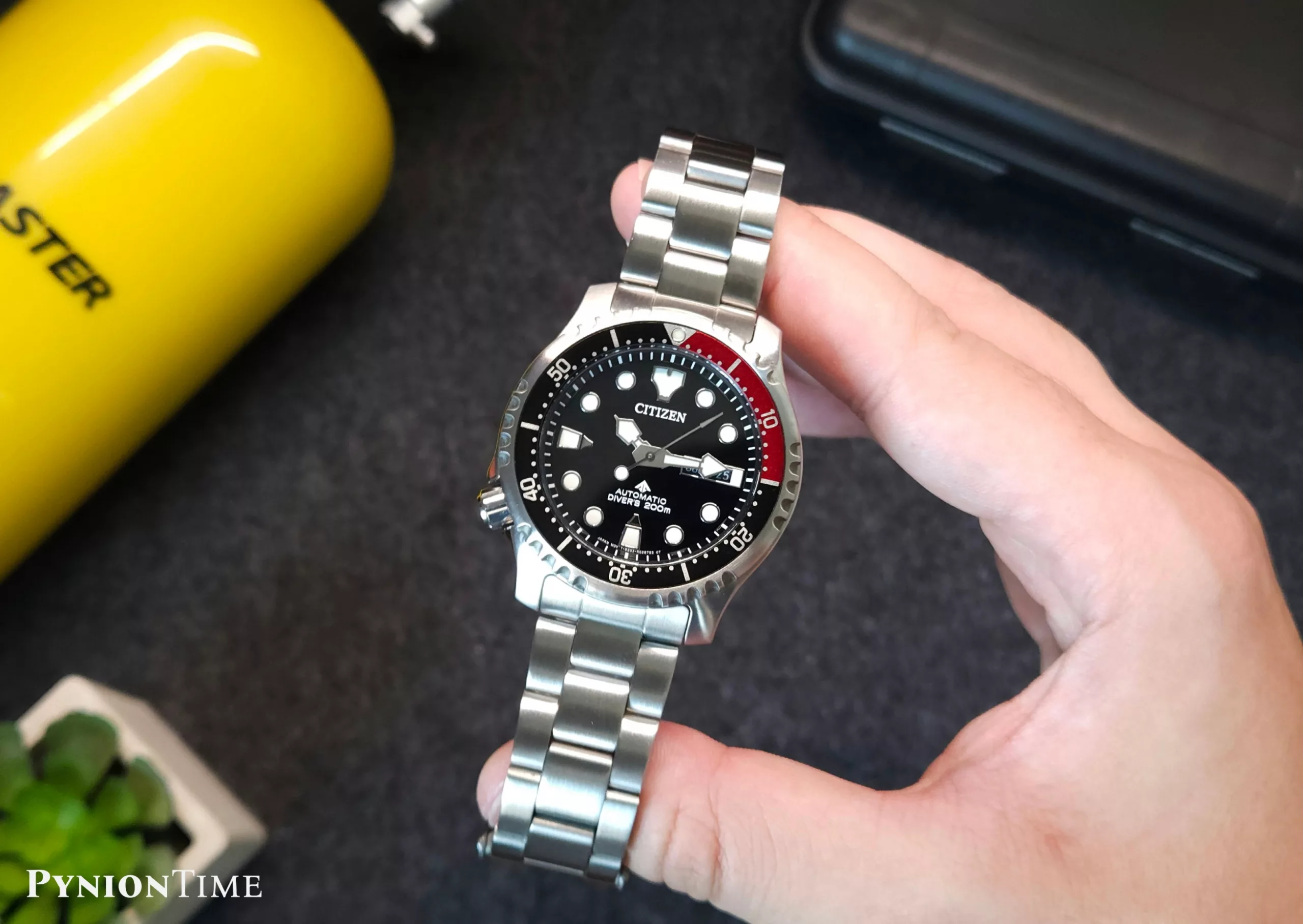
I am not guessing at this. I spent months with the NY0085-86E, bought at 240 euros in a promotion, and it held around ten seconds a day on an old Caliber 8203. The compromises are real and worth naming: mineral crystal rather than sapphire, a dated movement, a bracelet that is fine rather than good. None of them is the compromise you regret at that price.
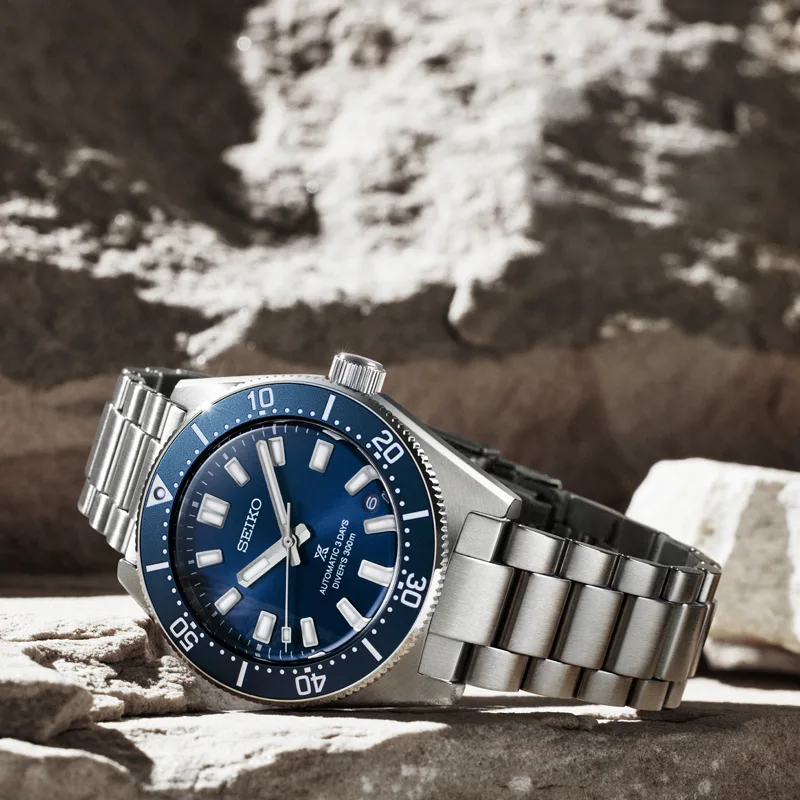
Seiko charges more for Prospex, and the reason is how it looks. The cases catch light in a way Promaster cases do not, the dials belong to a design language Citizen has never built, and the bracelet finishing is definitely above Citizen’s. That is a real reason to spend more, just not a functional one, and it is worth being honest about which of the two you are actually paying for.
| What you want | Seiko | Citizen | Who I would buy |
| First automatic | Seiko 5 Sports | Promaster or Tsuyosa | Citizen, and I have said so before |
| Dive watch you use | Prospex diver | Promaster Diver | Citizen, on ISO rating and bezel |
| One watch, zero fuss | Solar Prospex | Any Eco-Drive | Citizen, comfortably |
| Something UNIQUE | Presage | Series 8 | Seiko, on dials alone |
| Above this budget | Grand Seiko | The Citizen | Grand Seiko |
What Each One Really Costs You Over Ten Years
Nobody writes about this, and at this price it changes the maths.
The mechanical side is boring in the best way. A service costs less than the watch did, and on a 250 euro Seiko 5 you will probably never pay for one anyway, because when a 4R finally stops, a replacement movement costs less than a good strap. The same is broadly true of a Miyota. Neither brand will ever hand you a frightening bill for a mechanical watch at this price.
An Eco-Drive is different, and Citizen’s marketing works hard not to say so. The cell inside is a rechargeable secondary battery, not a coin cell you swap at a kiosk. Citizen quotes a long service life and they are not exaggerating, but it is finite, replacing it is a service job rather than a two minute counter operation, fewer watchmakers will take it on, and on an older or discontinued reference sourcing the right cell can be a nuisance.

None of that changes my recommendation. It does mean “never needs a battery” is a claim about convenience, not permanence. A Citizen asks nothing of you for a decade and then hands you one awkward bill; a Seiko asks a little of you regularly and will outlive you. Pick the shape of commitment you prefer, and know that most people prefer the first one.
The Resale Gap Is the Real Price You Pay for Choosing Citizen
Here is the strongest argument against everything I have said so far, and I have never seen it covered properly, so it deserves the space.
The Seiko SKX007 was discontinued in 2019. Its used median today sits around 260 dollars, with most listings between 225 and 300. Grey market dealers were selling them new for well under 200. A watch people bought as a cheap beater now sells second hand for more than they paid. The SARB017 Alpinist did the same thing, harder.
Citizen does not do this. The Promaster Diver carries a list price just under 400 dollars and its used median sits around 200, with the bulk of listings between 165 and 250. That is a normal, healthy, unremarkable depreciation curve, and it is roughly half of what Seiko manages with a comparable watch. The exceptions are narrow: certain Fugu limited editions, some Super Titanium Attesa pieces in Japan, the odd Campanola.
So work out which buyer you are before you choose. If this watch is one of many and you expect to trade up within a couple of years, Seiko is cheaper in the end despite costing more up front, because you get most of it back. If you are buying a watch to wear until it stops, that entire calculation is irrelevant, and paying a Seiko premium for liquidity you will never use is just paying more.
Most people reading this are the second kind of buyer. That is why my answer is Citizen.
Who I Would Actually Tell to Buy Which
Buy Citizen if this is your only watch, if you want to stop thinking about it, if you swim often, or if you want titanium that weighs nothing. Promaster Diver if you use it, Tsuyosa if you want the nicest thing under 400 euros, any Eco-Drive if you simply want the time to be right. For most people asking this question, that is the end of the article.
Buy Seiko if you already know this is the first of several, if dials are the thing you actually care about, or if you want the option of selling it on without losing much. Seiko 5 Sports to start, a Prospex diver when you get serious, Presage when you want something quieter but elegant.
For me it is Citizen, and the reason is not price. Citizen builds the better instrument and Seiko builds the better object, and at ~300 euros I would rather own the instrument and spend the difference on a watch I actually want to look at. For me, Seiko is what you buy once Citizen has stopped being enough, and there is nothing wrong with arriving there eventually.