Citizen KEI NK0050: Citizen’s Newest GADA Watch Starts in Japan

For the past few years, Citizen’s answer to “which affordable automatic should I buy?” has mostly been the Tsuyosa. It started as an integrated-bracelet sports watch with bright dials, then picked up a 37mm size, a limited-run Shore edition and, in its Tsuyosa 60 form, the caliber 8310 with a 60-hour reserve. Each of those watches sells a specific look: integrated bracelet, cyclops date, plenty of colour. Its divers sell a specific job.
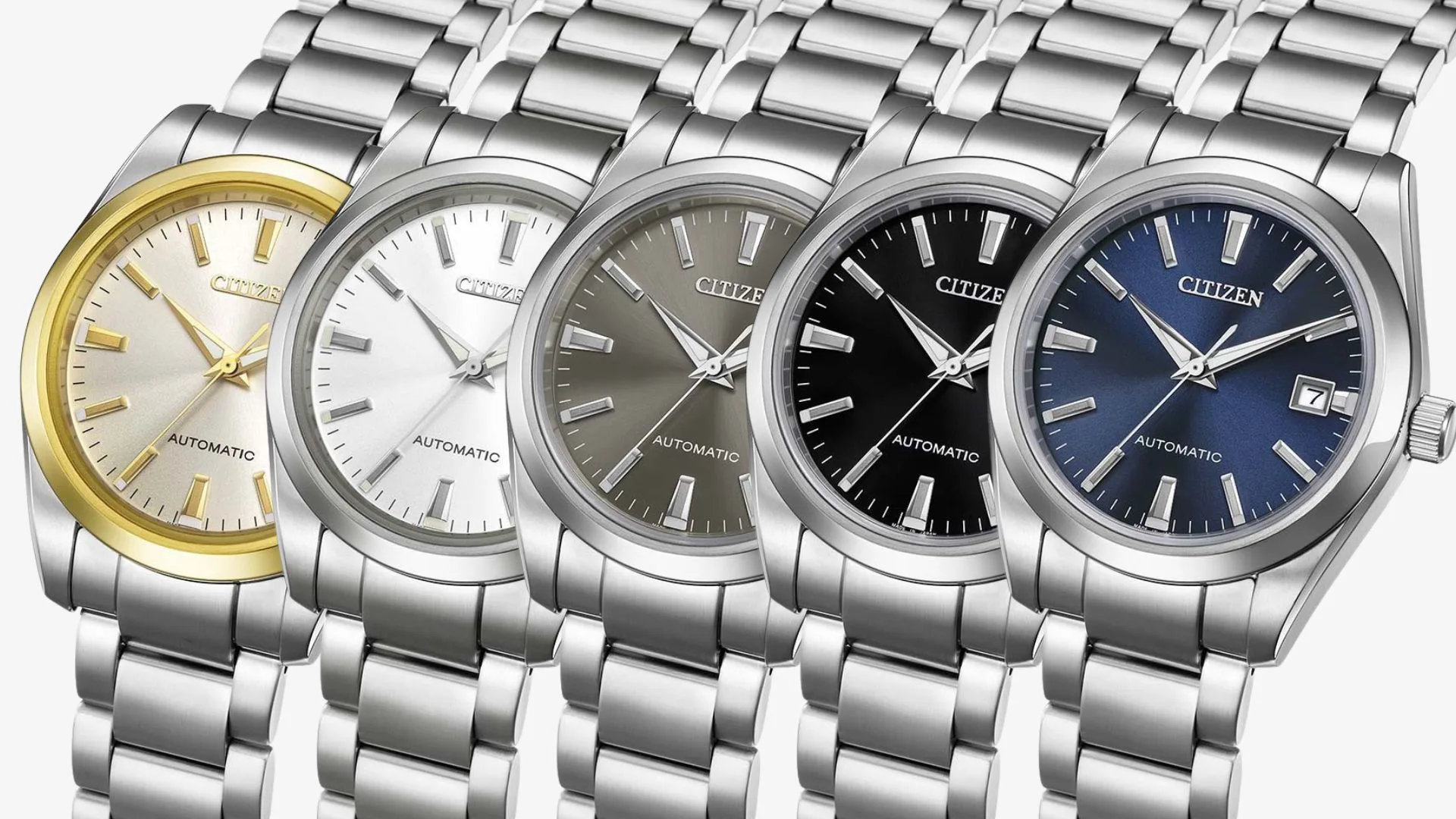
What Citizen didn’t have was a proper go-anywhere, do-anything watch, the single steel automatic you can wear to the office, on a weekend away and to a wedding without swapping. The new KEI changes that. It is a new mechanical line from Citizen Japan, and the first five references go on sale on November 5: a 38mm steel three-hander with a sapphire crystal, a display caseback and the same 8310 movement, priced at ¥68,200 with Japanese tax.
That makes it Citizen’s newest GADA offer, and the most obvious rival comes from inside the house. The Tsuyosa 60 37mm NK0030 uses the same caliber in a similar size and sells worldwide for €379, £399 or $595. The question is which one is the better one-watch choice, and the catch is that, for now, KEI is Japan-only.
Built to Be the Only Watch You Pack
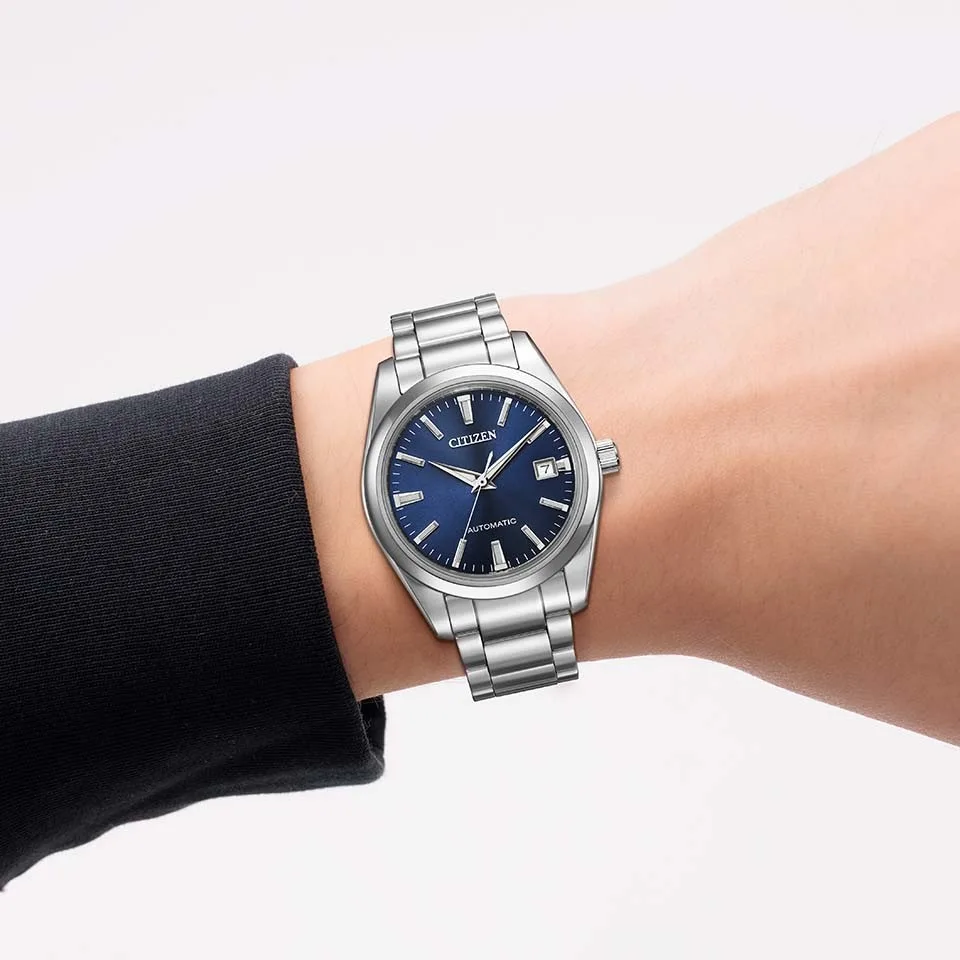
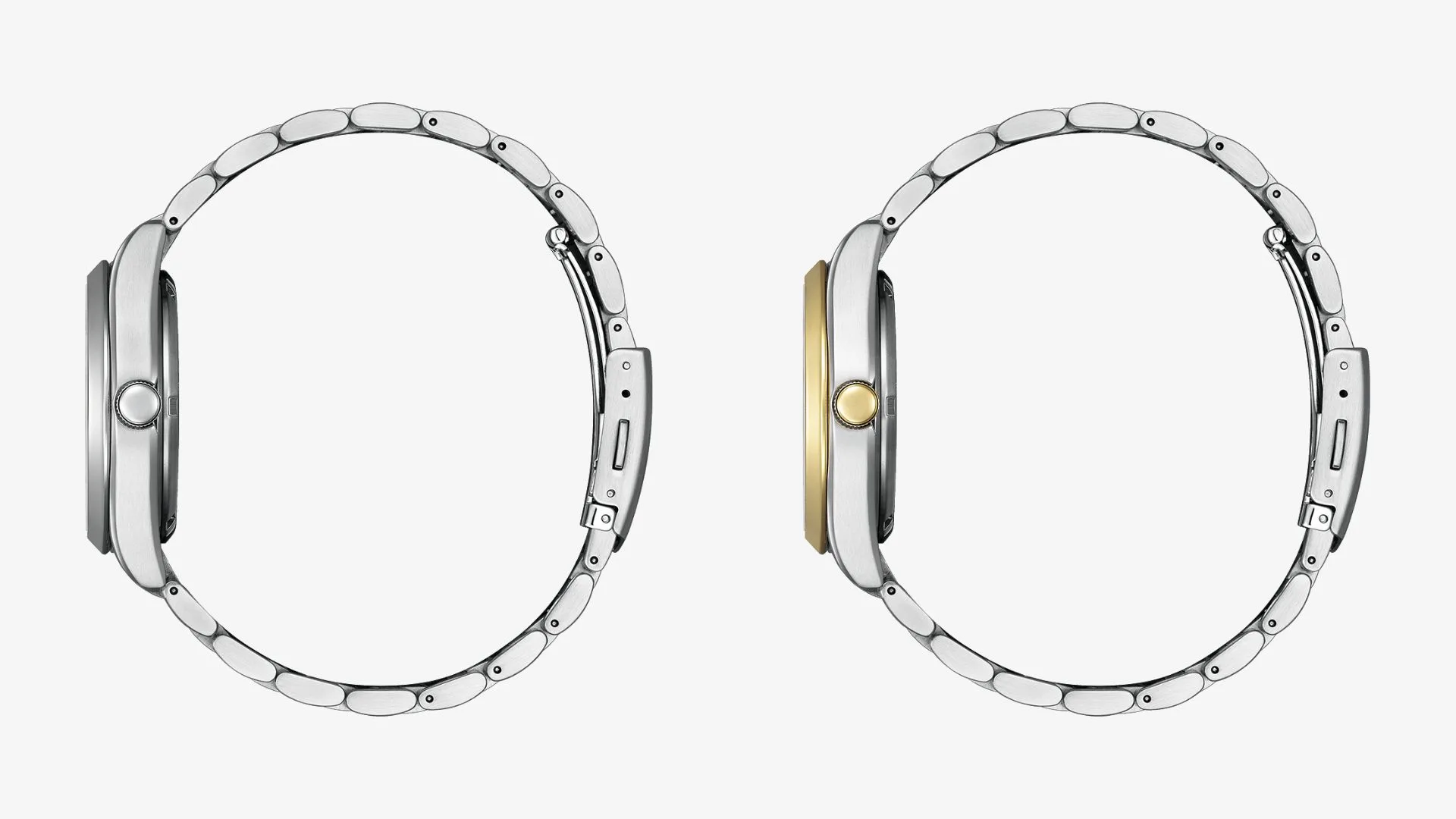
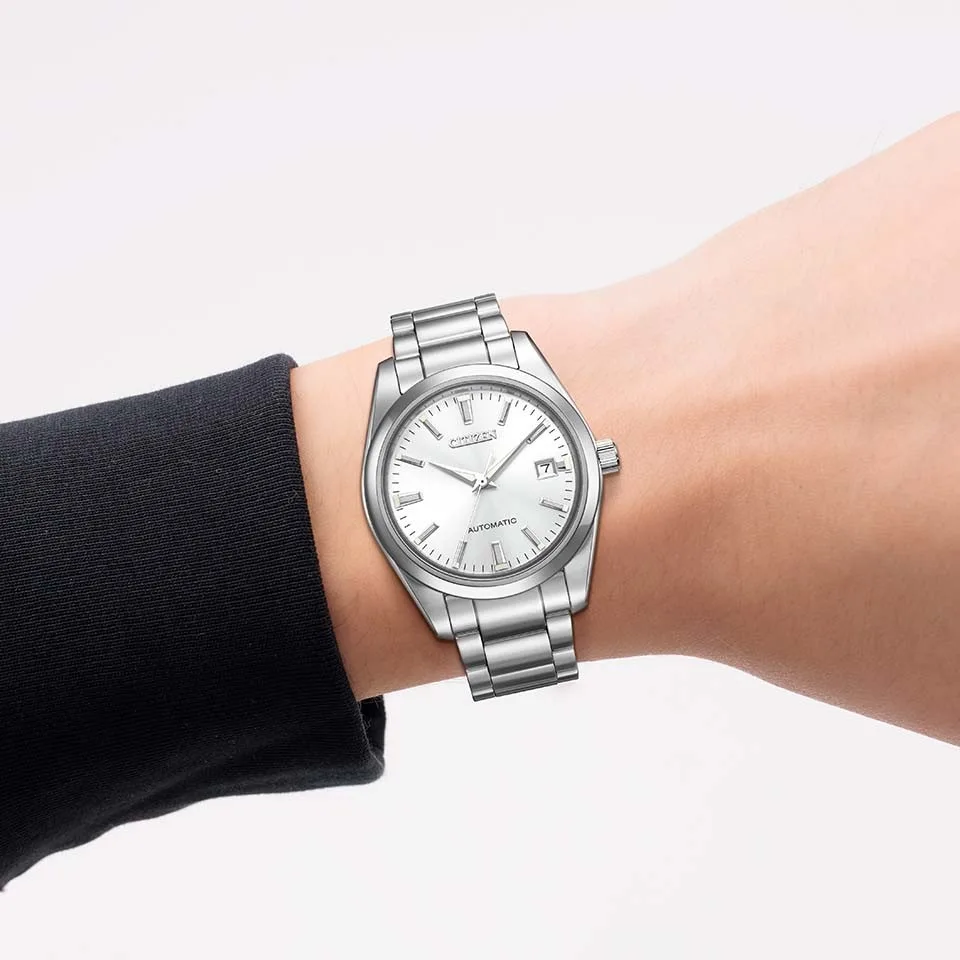
The case measures 38mm across and 10.9mm thick, which is close to the ideal GADA footprint: big enough to read at a glance, small enough to disappear under a cuff. Citizen says it deliberately shortened the lugs so the watch sits closer to the wrist, and finished the lug tops and bracelet end pieces as one continuous curved surface, so a single highlight runs across them as the wrist turns. That is an unusually specific claim for a press release, and it tells you the brand designed KEI around how it wears rather than how it photographs. Citizen has not published a lug-to-lug figure, so how short those lugs really are is still unconfirmed.
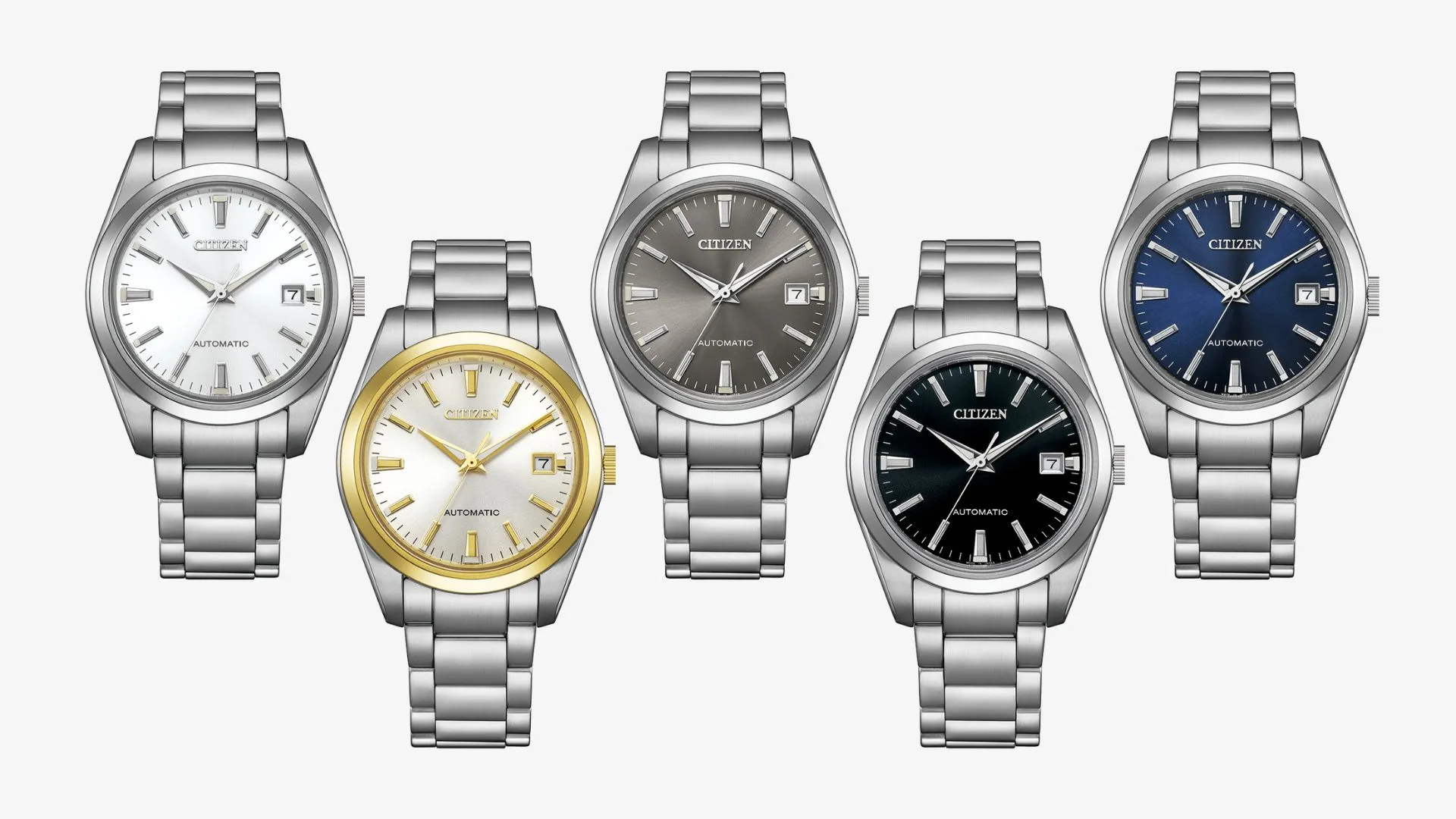
The rest of the spec sheet reads like a GADA checklist. Anti-reflective sapphire, lume on the hands and indexes, a date window, JIS class 1 magnetic resistance and a steel bracelet with a three-fold push-button clasp. The dials stay plain on purpose: silver, black, grey and blue carry the NK0050 reference at ¥68,200, while the NK0054-53P adds partial yellow-gold plating for ¥70,400 and changes nothing else.
It also lands in the same size bracket that has quietly become the GADA sweet spot, the one Tissot moved into when it released a 38mm Gentleman Powermatic 80. Brands are listening to buyers who want one watch that fits everything, and 38mm is where they keep landing.
The 8310 Is What Makes It Work
Every KEI runs Citizen’s caliber 8310, an automatic with hand-winding, hacking seconds, 21 jewels and a 21,600 vph beat rate, rated at roughly 60 hours of reserve and -20/+40 seconds per day. For a GADA, the reserve matters more than any other figure. The older 8210 managed around 42 hours, so a watch taken off on Friday evening was often stopped before Monday. The 8310 should still be running when you pick it back up, which is exactly what a watch meant for every occasion needs.
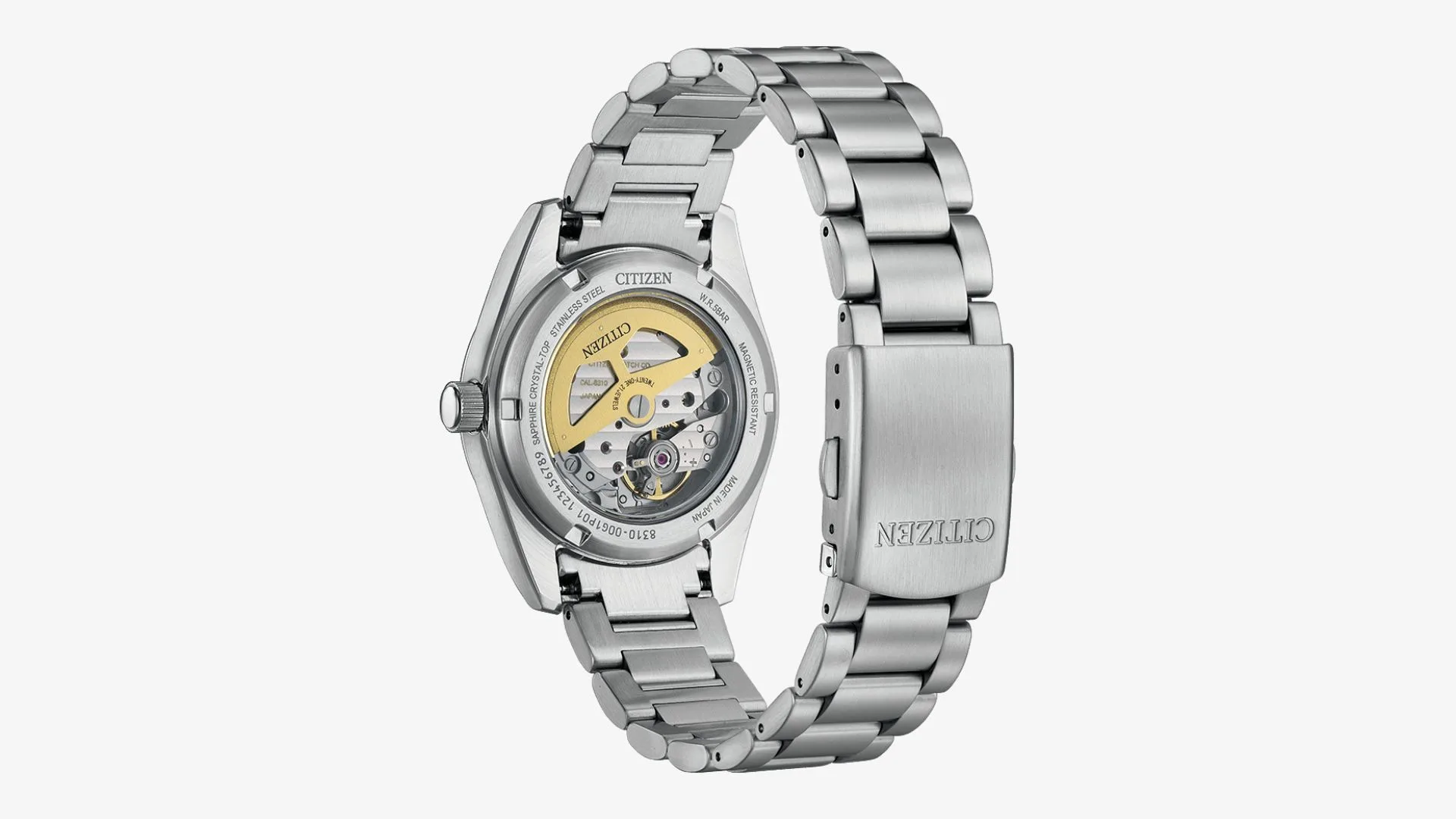
Until now, Citizen has kept this movement inside the Tsuyosa 60 family. Putting it into a plainer collection suggests Citizen sees the 8310 as its new mechanical baseline rather than a premium extra. It also arrives while affordable mechanical movements are getting harder to source for independent brands. Citizen has not said whether the 8310 will reach microbrands the way the 8215 did, although it wouldn’t be surprising if it stayed reserved for Citizen’s own watches for a while.
On Paper, KEI Is the Better One-Watch Citizen
Against the Tsuyosa 60 37mm, the KEI is arguably the stronger GADA package on paper. Before Japanese tax it costs ¥62,000, roughly $392, against $595 for the Tsuyosa in the US. The movement is identical, so reserve, accuracy and winding are the same. Both are rated to 50 metres, and the KEI adds a millimetre of diameter and a display caseback across the whole line.
The difference is versatility. The Tsuyosa’s integrated bracelet, cyclops date and textured dial make it a sports watch with a strong identity, which is its appeal and its limit. The KEI’s round case and conventional bracelet are what let it move from a T-shirt to a suit without looking out of place. Some buyers will read that restraint as anonymous rather than timeless, and that is a fair objection.
It also fits the argument behind my Seiko versus Citizen verdict, that Citizen currently gives you more watch for the money below 500 euros. A 38mm automatic with sapphire, an exhibition back and 60 hours of reserve at this price is hard to match from Seiko’s catalogue.
Water resistance is the weak point. Most watches sold as GADAs carry 100 metres, so a swim on holiday never needs a second thought. The KEI’s 5 bar covers rain and washing your hands, but I wouldn’t swim with it regularly, and that is the one place it falls short of the label.
The -20/+40 seconds per day rating is generous for the price, even if many examples run better in practice. The 19mm bracelet width narrows strap options compared with a standard 20mm fitting, which matters on a watch meant to change outfits with you. And partial gold plating on the NK0054-53P is the kind of finish that shows wear on bracelet links. None of these are dealbreakers, but they are the details that decide whether an affordable watch earns real wrist time or ends up in a drawer.
Japan-Only Pricing Is Not Your Pricing
KEI goes on sale in Japan on November 5 through Citizen’s own online store and Japanese retailers. Citizen has not announced US, UK or European pricing, or any date for a wider launch. Some Japanese retailers already list the watches with international shipping, and grey-market listings appeared on Chrono24 before launch.
The ¥62,000 pre-tax figure works out to roughly €350, but a buyer in Spain then pays 21% import VAT, customs duty and shipping, which pushes the total past €400. That is more than the €379 Citizen asks for the Tsuyosa 60 37mm in Europe, so the price advantage mostly disappears for European and UK buyers. In the US the gap to the $595 Tsuyosa is wide enough that an imported KEI should still come in cheaper, though by less than the headline numbers suggest. Citizen Japan lists a three-year international warranty, while the five-year extension requires MY CITIZEN registration in Japan and is designed for domestic buyers.
Specs, Pricing & Availability
Case Diameter: 38mm
Case Thickness: 10.9mm
Case Material: Stainless steel
Water Resistance: 50m (5 bar)
Caliber: Citizen 8310 automatic
Crystal: Sapphire with anti-reflective coating
Function: Hours, minutes, central seconds, date
Price: ¥68,200 (NK0050) and ¥70,400 (NK0054-53P), Japanese tax included
Who Should Import One and Who Should Wait
If I lived in Japan or the US and wanted one watch to do everything, I would pick the KEI over the Tsuyosa 60 37mm without much hesitation. Same movement, a display back, a case designed around comfort and less money. The blue NK0050-54L is the one I’d choose, because it keeps the dial interesting without leaning on the plating.
In Europe or the UK, I’d wait. Once VAT and shipping are added there is no saving left, and a Citizen bought locally is simpler to service under warranty. If swimming is part of your every day, the Promaster diver I reviewed earlier this year is the more honest go-anywhere Citizen right now.
The bigger story is what KEI says about Citizen’s direction. Citizen now treats 60 hours as the baseline for its affordable automatics, and it finally has a plain GADA to put it in. That puts pressure on anything still sold around 40 hours at this price, Seiko 5 models on the 4R36 included. If Citizen brings KEI west near its Japanese price and adds 100 metres in a later version, it becomes the easiest one-watch recommendation under €400.
Check out The Ultimate Affordable Watches Guide