How to Choose an Affordable Watch: What Actually Makes One Worth Buying

Most guides about how to choose an affordable watch focus on recommending specific models. That approach becomes outdated quickly because prices change, brands reposition themselves, and trends move faster than the watches themselves. The better approach is understanding what actually creates long-term satisfaction in an affordable watch and where real watch value for money comes from.
The thesis of this article is simple: a good affordable watch is not defined by specs alone, but by how intelligently a brand balances movement quality, case finishing, proportions, durability, and long-term wearability at a given price.
That distinction matters because the affordable market in 2026 is crowded with watches that look impressive online but feel disappointing after a few months of ownership. Buyers often chase specifications instead of understanding how watches are actually experienced on the wrist. The result is unnecessary upgrading, wasted money, and collections full of watches that rarely get worn.
A strong affordable watch buying guide should teach you how to evaluate trade-offs, not simply memorize model names.
What “Affordable” Actually Means in 2026
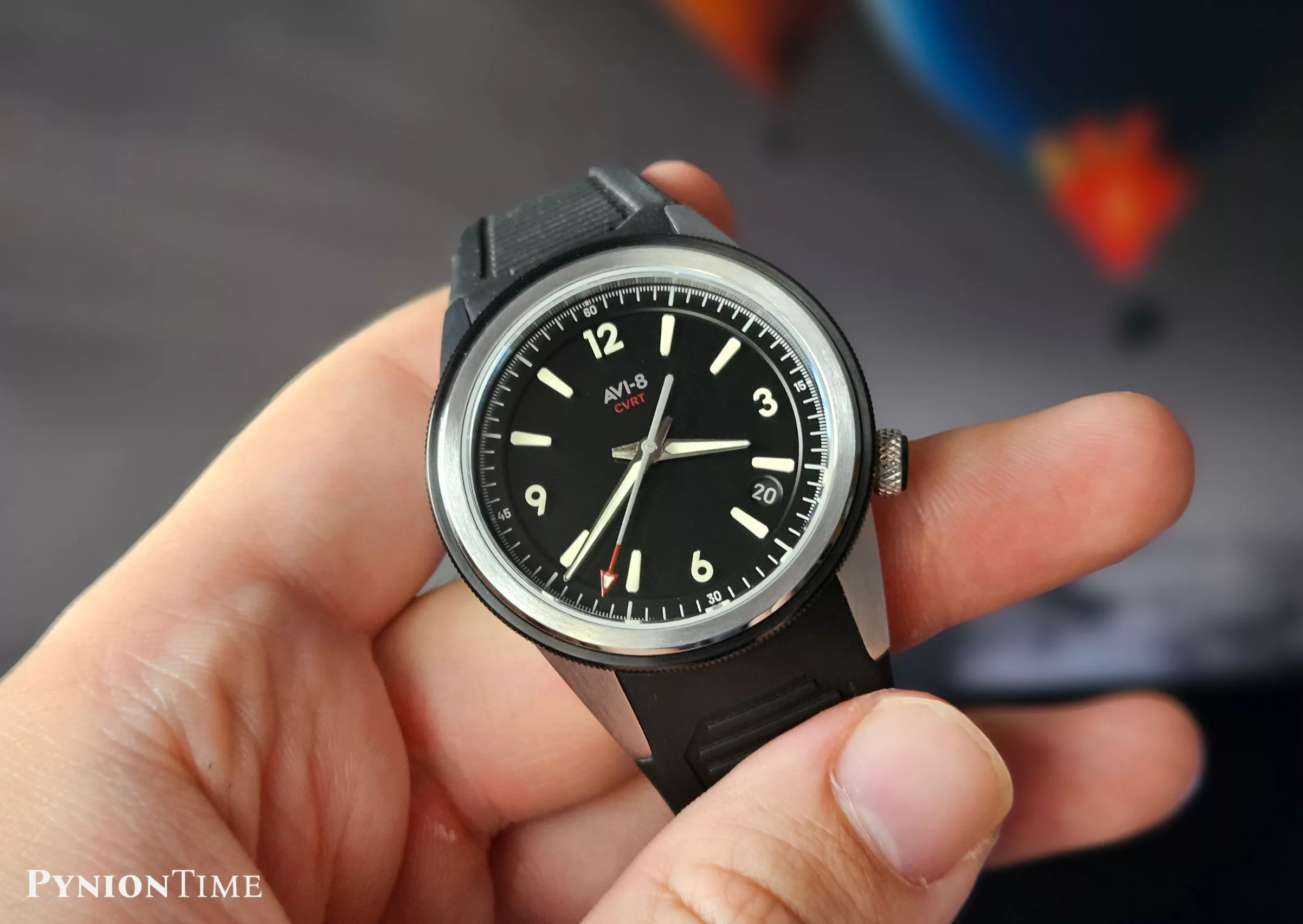
Affordable does not necessarily mean cheap. In watches, it usually means getting the strongest possible value for the money spent, whether that is at $150 or $700. Everyone has a different budget, so the real question is not “how cheap can I go?” It is “how much watch am I actually getting for the money?”
Below $150, compromises become difficult to avoid. Case finishing is usually crude (at least in big, established brands), bracelets feel hollow, quality control becomes inconsistent, and long-term reliability can vary significantly. There are exceptions, but buyers at this level are typically choosing between price and refinement.
Between $250 and $500 is where the market becomes genuinely competitive. This is the segment where brands fight hardest on specifications, finishing, and perceived value. It is also where informed buyers can avoid diminishing returns.
Past roughly $700, the conversation changes. You start paying more for brand prestige, heritage, and refinement rather than dramatic improvements in daily functionality.
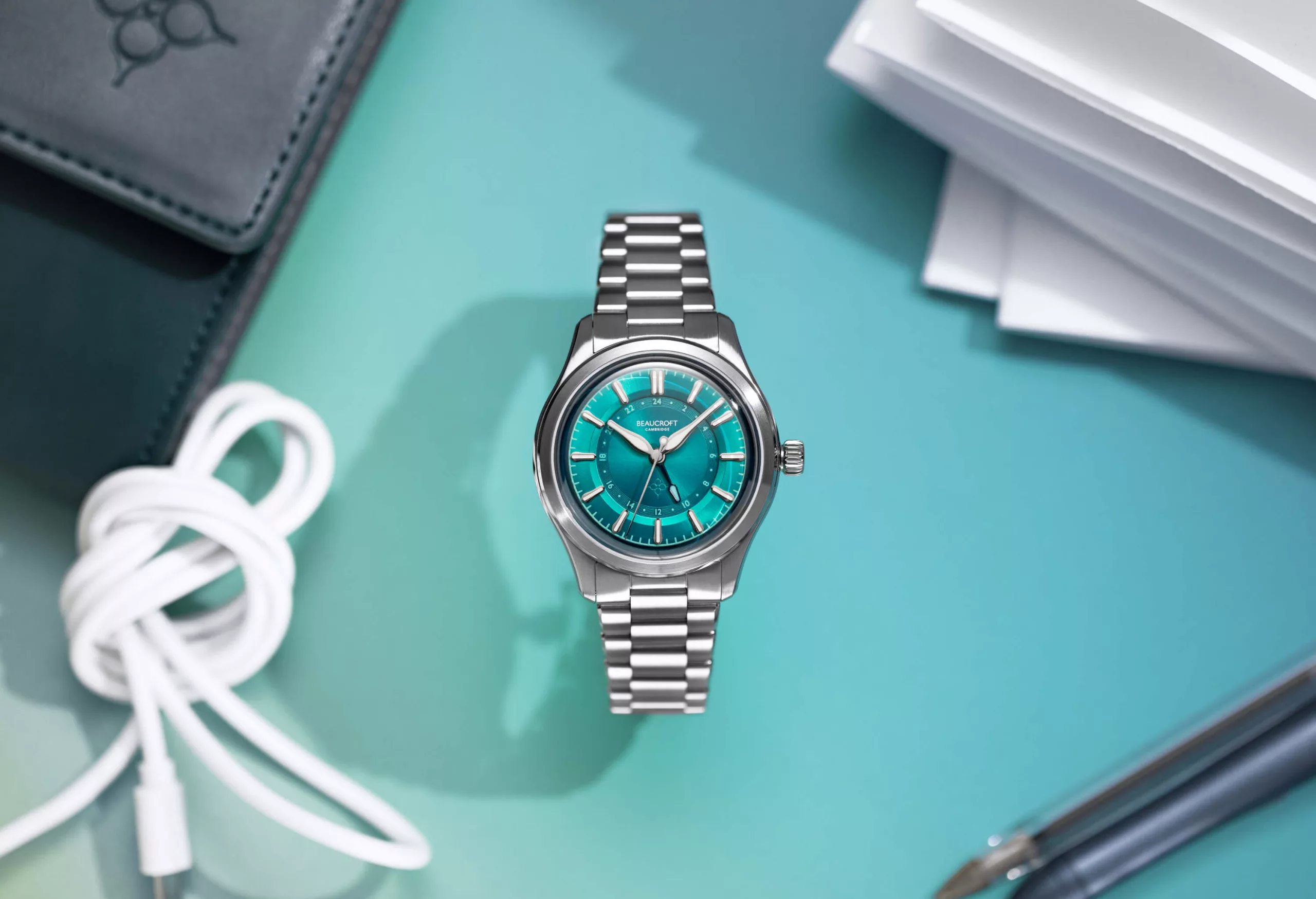
That is an important distinction because many first-time buyers assume a watch twice as expensive will feel twice as good. In reality, the improvement curve flattens quickly.
A well-chosen $350 watch often delivers more satisfaction than a poorly chosen $1,000 one.
What to Look for When Buying a Watch
The biggest mistake beginners make is evaluating watches as spec sheets instead of objects they will actually wear.
When people search for what to look for when buying a watch, they usually focus on movement type first. That matters, but not as much as enthusiasts often claim.
Case Proportions Matter More Than Diameter
Most affordable watches fail because of proportions, not mechanics.
A 40mm watch can wear elegantly or awkwardly depending on lug-to-lug length, thickness, bezel width, and dial design. Many brands continue producing oversized watches because larger dimensions photograph well online, even if they wear poorly in daily life.
For most wrists, a lug-to-lug measurement under 48mm matters more than the advertised case diameter.
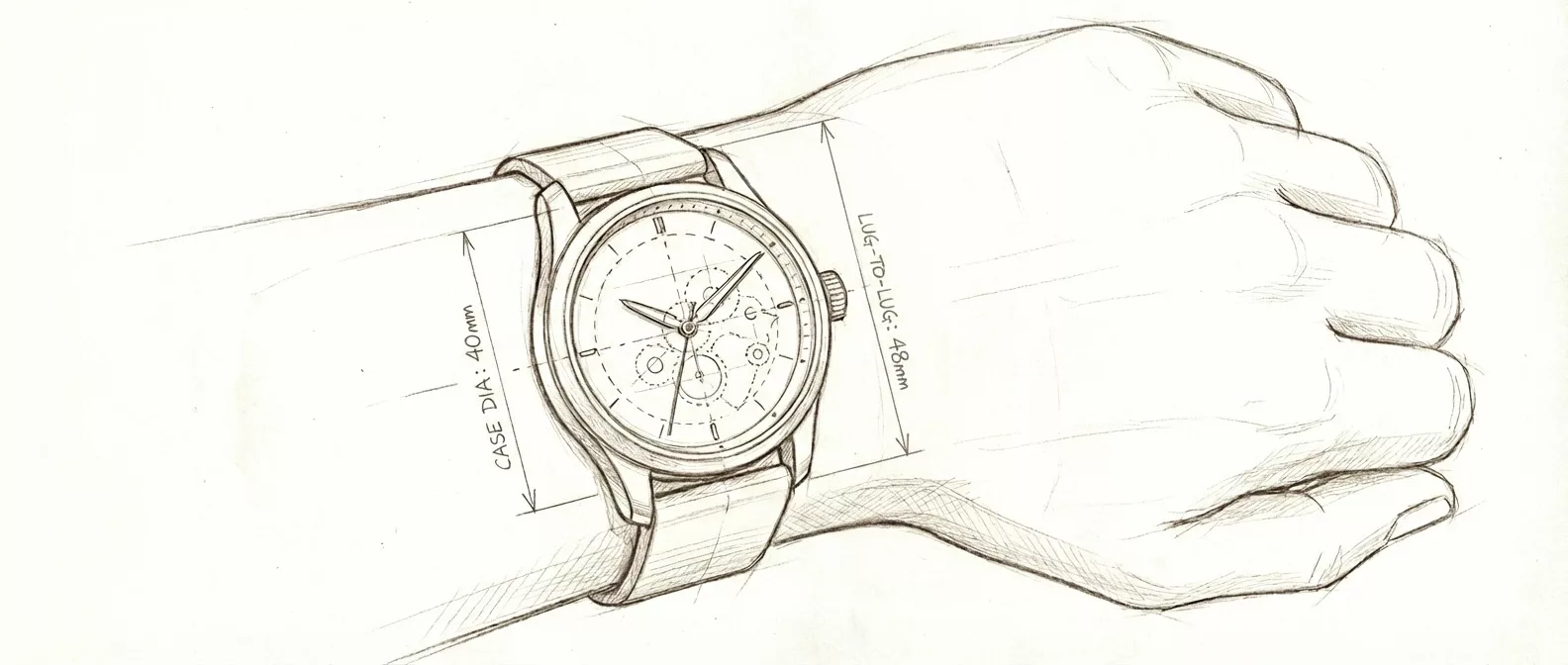
Thickness is especially important. Once a watch exceeds around 13.5mm without a good reason, it becomes harder to wear comfortably with jackets, cuffs, or daily casual clothing.
Slim watches feel more expensive than thick ones at almost every price point.
The Bracelet Is Usually the Weakest Part
Affordable brands increasingly improve cases and dials while still cutting costs on bracelets.
A bracelet with sharp edges, rattling links, stamped clasps, or poor articulation will make even a technically impressive watch feel inexpensive. This is why many experienced buyers prefer watches on straps in lower price categories.
A strong bracelet often tells you more about a brand’s priorities than the movement inside.
Sapphire Crystal Is Nice, but Overrated Below Certain Prices
Sapphire crystal remains desirable because of its scratch resistance, but many buyers overvalue it.
A watch with excellent proportions, finishing, and comfort but mineral crystal is often a better purchase than a poorly designed watch with sapphire.
At lower prices, brands sometimes sacrifice bracelet quality or finishing simply to advertise sapphire crystal on the spec sheet because they know buyers search for it.
Watch Movement Explained Without the Marketing
The phrase watch movement explained sounds more complicated than it really is.
For affordable watches, there are essentially three relevant categories:
- Quartz
- Automatic
- Solar quartz
Quartz is usually the most practical. It is accurate, inexpensive to maintain, and durable. It is also your best choice when looking for an affordable chronograph.
Automatic movements offer mechanical charm but less accuracy and higher servicing costs.
Solar quartz increasingly represents the smartest middle ground because it combines convenience with long battery life and strong reliability.
Movement quality matters, but not enough to rescue a badly designed watch.
Is an Automatic Watch Worth It at This Price?
The question is automatic watch worth it depends entirely on why you are buying the watch.
If your goal is maximum practicality, quartz still wins comfortably in the affordable segment. Many enthusiasts eventually rediscover this after years of romanticizing mechanical watches.
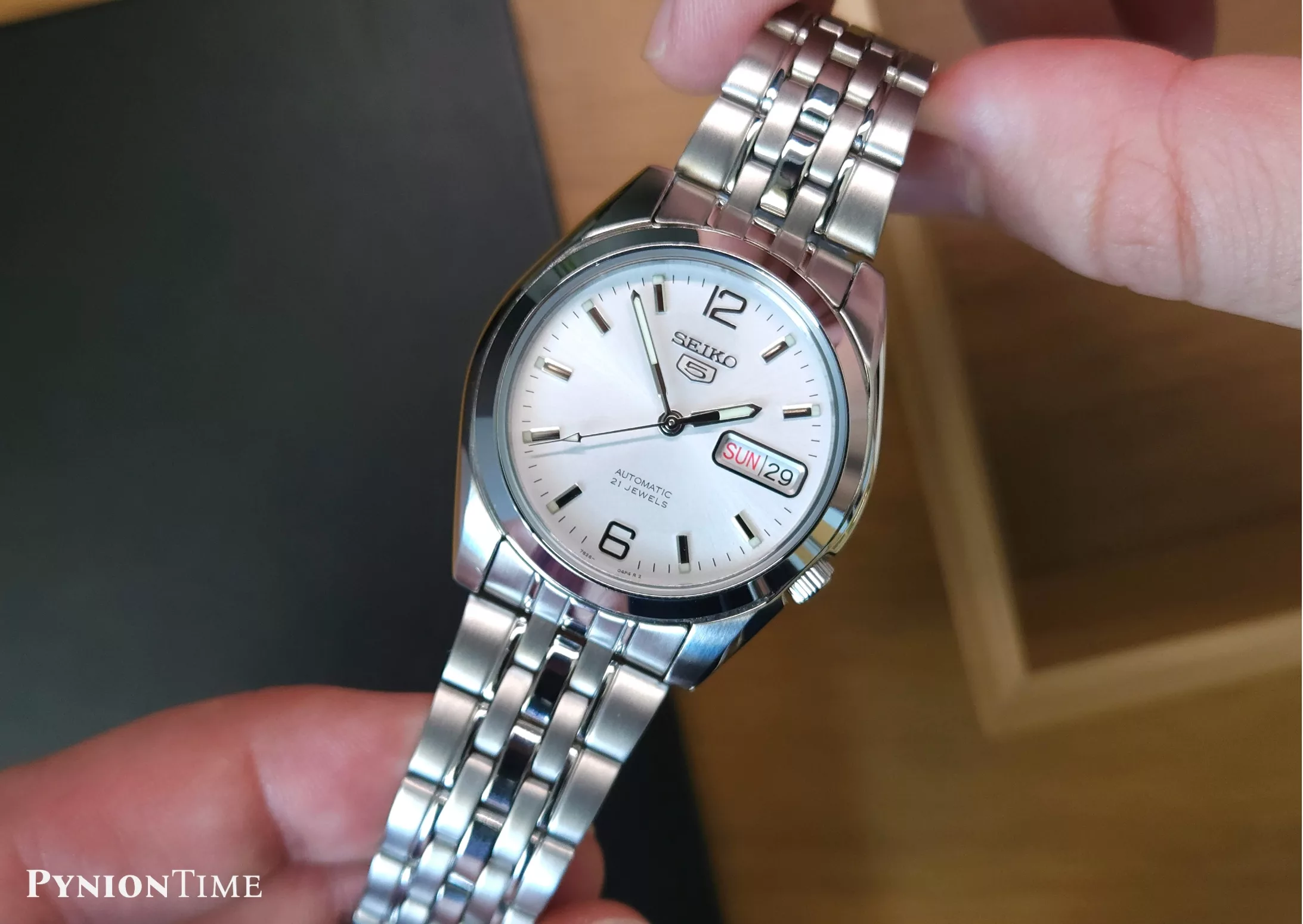
Affordable automatic watches often rely on proven but relatively basic movements from Seiko, Miyota, or Sellita. These can be excellent, but they are not luxury calibers simply because the caseback is transparent.
What automatic movements provide is emotional value. The appeal comes from mechanical interaction, sweeping seconds hands, rotor feel, and appreciation of traditional watchmaking.
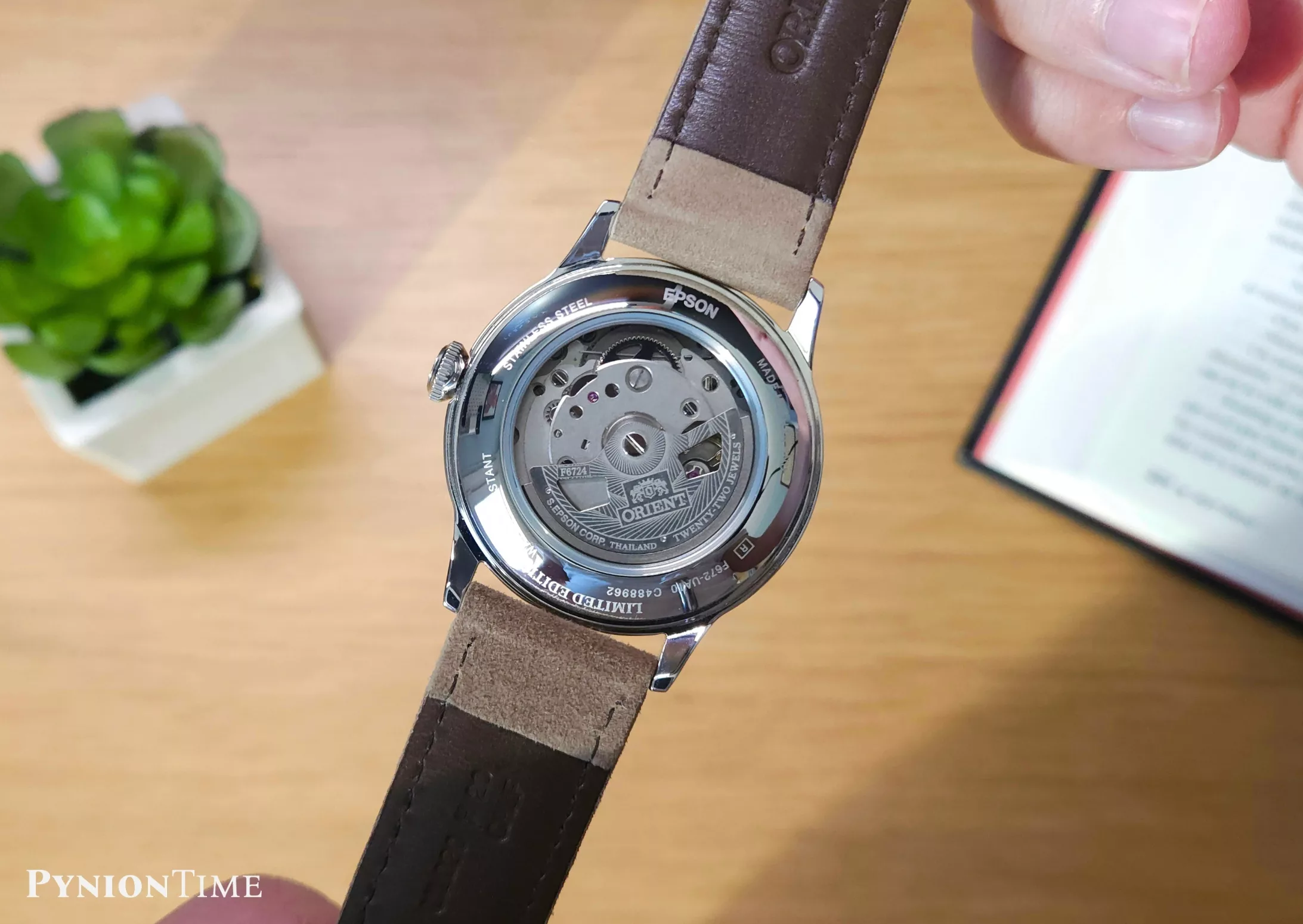
That matters more than people sometimes admit.
But there is also a reality buyers should understand clearly: automatic watches become more expensive to own over time. Servicing can eventually exceed the original purchase price of the watch itself.
For many first-time buyers, a high-quality quartz watch is actually the more intelligent purchase.
Buyers still unsure about the trade-offs should read our guide to automatic vs quartz watches before deciding.
How Much Should You Spend on Your First Watch?
Most buyers should spend less than they initially plan.
A first watch teaches preferences more than it completes a collection. Until you understand your habits, spending aggressively rarely improves outcomes.
For most people, the ideal first-watch range sits between $250 and $500. That range gives access to meaningful quality improvements without entering diminishing returns territory. Below that range, compromises become easier to notice. Above it, branding often starts consuming more of the budget than quality improvements.
If your budget sits toward the lower end of that range, these are the best watches under $300 worth considering right now.
The smarter approach is buying one versatile watch you genuinely enjoy wearing rather than several cheaper watches purchased impulsively.
A good first watch should work across:
- Casual clothing
- Office settings
- Weekend wear
- Long-term ownership
Versatility is not boring. In affordable watches, versatility is often where the best design discipline appears.
This is also the category where buyers should explore broader comparisons rather than isolated recommendations. A strong market overview matters more than chasing hype around one specific release.
Where the Money Goes in an Affordable Watch
Understanding watch value for money means understanding where brands allocate budget.
Not every visible feature costs the same amount to produce.
Dial Finishing Usually Separates Good Brands from Average Ones
Affordable brands increasingly share similar movement suppliers. The difference often appears in execution.
Strong dial finishing creates depth, texture, and visual interest that survives daily ownership. Weak dial finishing looks impressive only in studio photography.
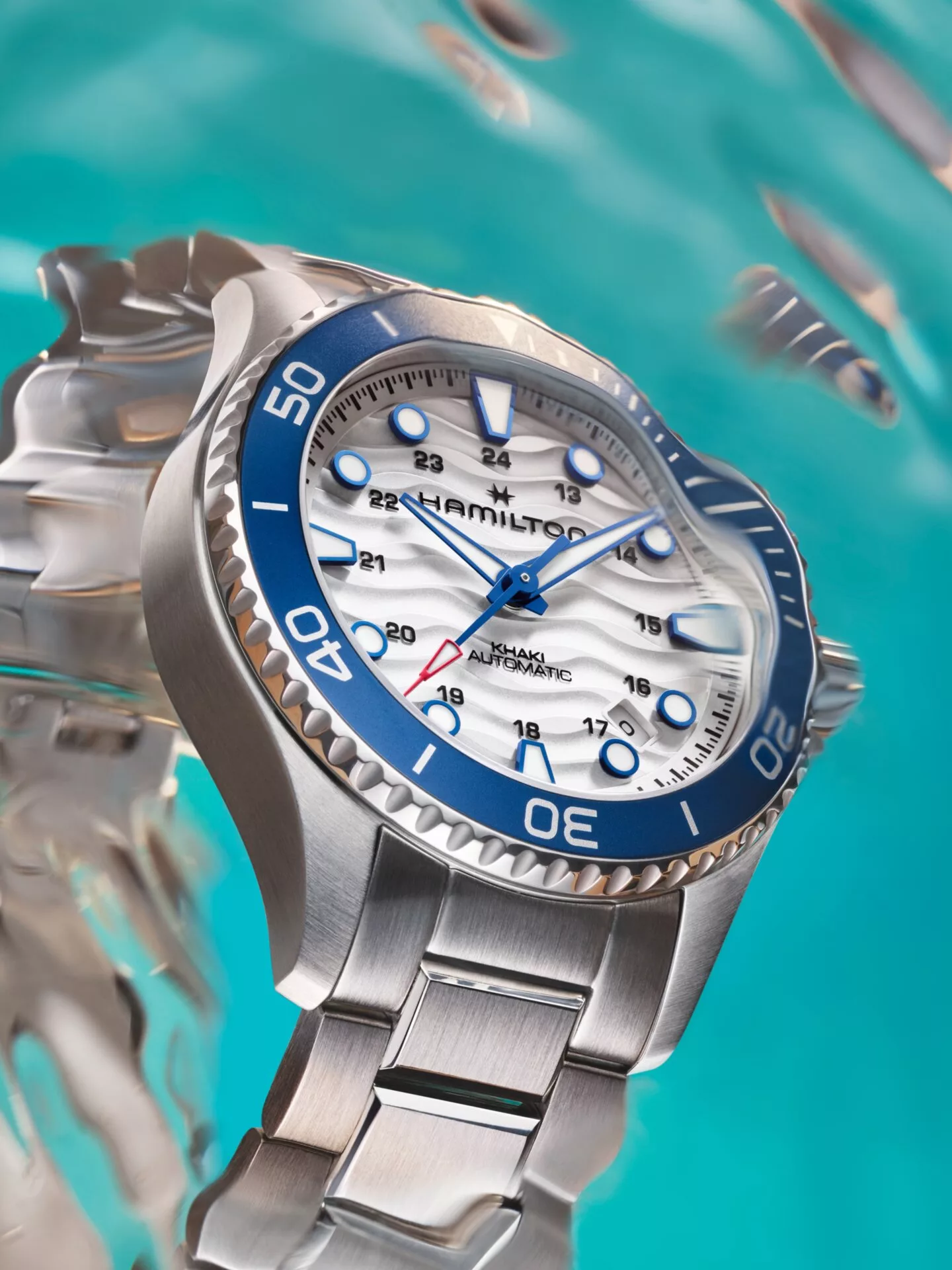
Applied indices, clean printing, balanced color choices, and thoughtful handset design matter more than oversized specifications.
Brand Positioning Changes the Equation
Some buyers underestimate how much branding affects pricing.
Established Swiss brands often charge premiums for heritage, distribution networks, and marketing. Microbrands often deliver stronger raw specifications because they operate with leaner structures and direct-to-consumer models.
Neither approach is automatically better.
Microbrands frequently offer outstanding value, but they can also have inconsistent after-sales support, uncertain long-term availability, or weaker resale confidence.
Traditional brands may offer less impressive specifications on paper while providing stronger ownership stability.
A smart buyer understands both trade-offs.
Finishing Quality Is More Important Than Movement Prestige
Many affordable watches now use similar movements. That means the wearing experience often depends more on finishing and design discipline than on caliber prestige.
Sharp transitions between brushed and polished surfaces, clean handset alignment, precise bezel action, and comfortable crowns matter daily.
Movement discussions dominate enthusiast forums because they are easy to quantify. Real ownership satisfaction is harder to measure but usually more important.
The Biggest Mistakes When Buying an Affordable Watch
The affordable watch market rewards patience more than impulse.
A watch can have sapphire crystal, 300m water resistance, and an automatic movement while still feeling awkward every time you wear it.
Comfort and proportion matter more than internet-friendly specifications.
Chasing Heritage Without Understanding Design
Many buyers purchase watches because they resemble famous luxury models rather than because they genuinely enjoy the design itself.
Homage fatigue is real. Watches tend to last longer emotionally when buyers choose them for their own merits rather than borrowed identity.
Ignoring Long-Term Ownership Costs
Affordable automatic watches can become expensive over time if servicing is required.
Quartz buyers often underestimate how liberating low-maintenance ownership can feel after several years.
Buying Too Many Too Quickly
This is probably the most common enthusiast mistake.
Affordable watches create the illusion that every purchase is low risk. Over time, many buyers accumulate several mediocre watches instead of one or two genuinely satisfying ones.
A disciplined collection nearly always feels more valuable than a large one.
How To Choose an Affordable Watch: FAQ
Of course, many affordable watches are extremely reliable, especially quartz and solar-powered models. Reliability often depends more on movement choice and quality control than price alone.
For practicality, quartz is usually the strongest option. If you enjoy mechanical engineering and traditional watchmaking, an automatic movement can be worth the trade-off in accuracy and maintenance.
Not necessarily. Sapphire improves scratch resistance, but overall design, comfort, and finishing matter more. A well-designed watch with mineral crystal can still be a better long-term purchase.
A good affordable watch can easily last decades with reasonable care. Quartz watches typically require minimal maintenance, while automatic watches may eventually need servicing.
Check out The Ultimate Affordable Watches Guide