
Microbrand watches have become the most interesting corner of modern watch collecting, not because they are “the next Rolex,” but because they have changed what enthusiasts can realistically expect for their money. In the last decade, small, internet-native brands have proven they can deliver sharp design, strong specs, and a direct line to the people behind the product, often at prices that feel slightly disruptive.
That matters right now because the wider watch market has drifted upward in price and downward in availability. Microbrands have stepped into the gap with a different promise: faster feedback loops, bolder ideas, and fewer middlemen. The catch is that “microbrand” is not a regulated category. It is a community term, and it gets messy at the edges. So let’s define it the way most collectors actually use it, then talk about what you gain, what you risk, and how to shop with confidence.
In this article
What Is a Microbrand Watch?
A microbrand watch is usually made by a small, independent team with limited production and a brand identity that lives primarily online. Most microbrands design the watch and manage the brand, while outsourcing some or all of the manufacturing to established suppliers.
That is the broad consensus. Where it gets slippery is the threshold. There is no official number that turns a brand into a microbrand. Some collectors focus on scale (small runs, small staff). Others focus on distribution (direct-to-consumer, minimal retail presence). Others focus on proximity (you can identify and often contact the founder). In practice, it is a blend.
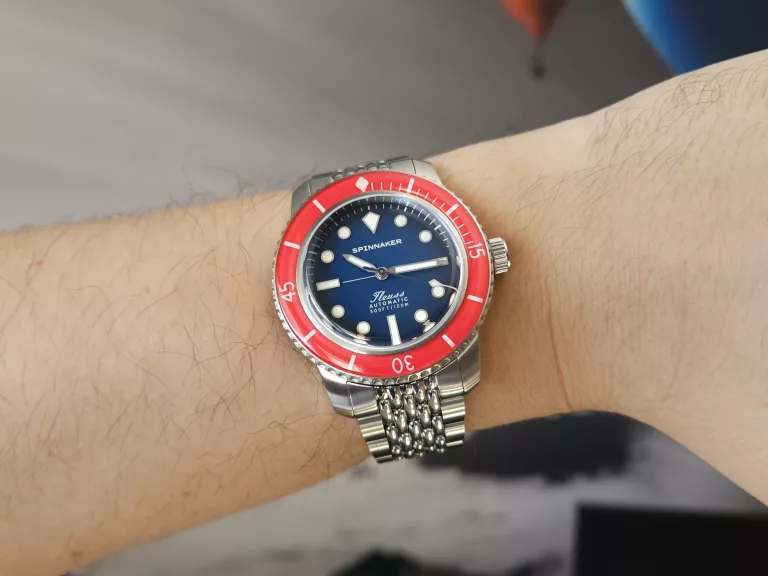
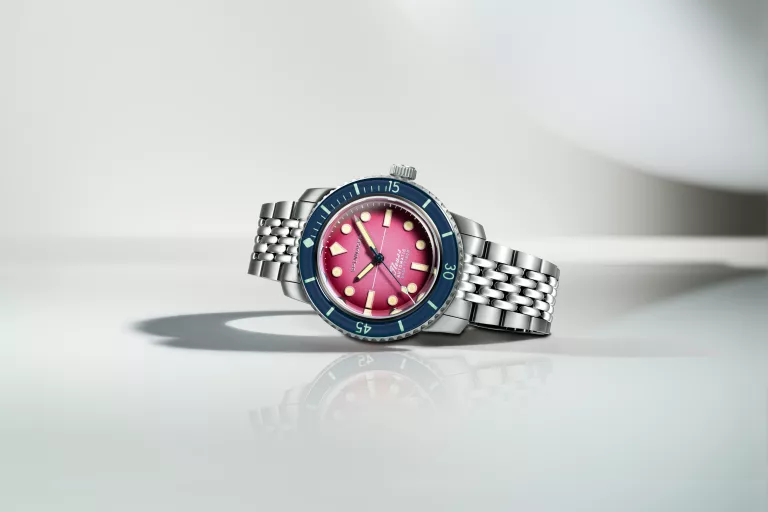
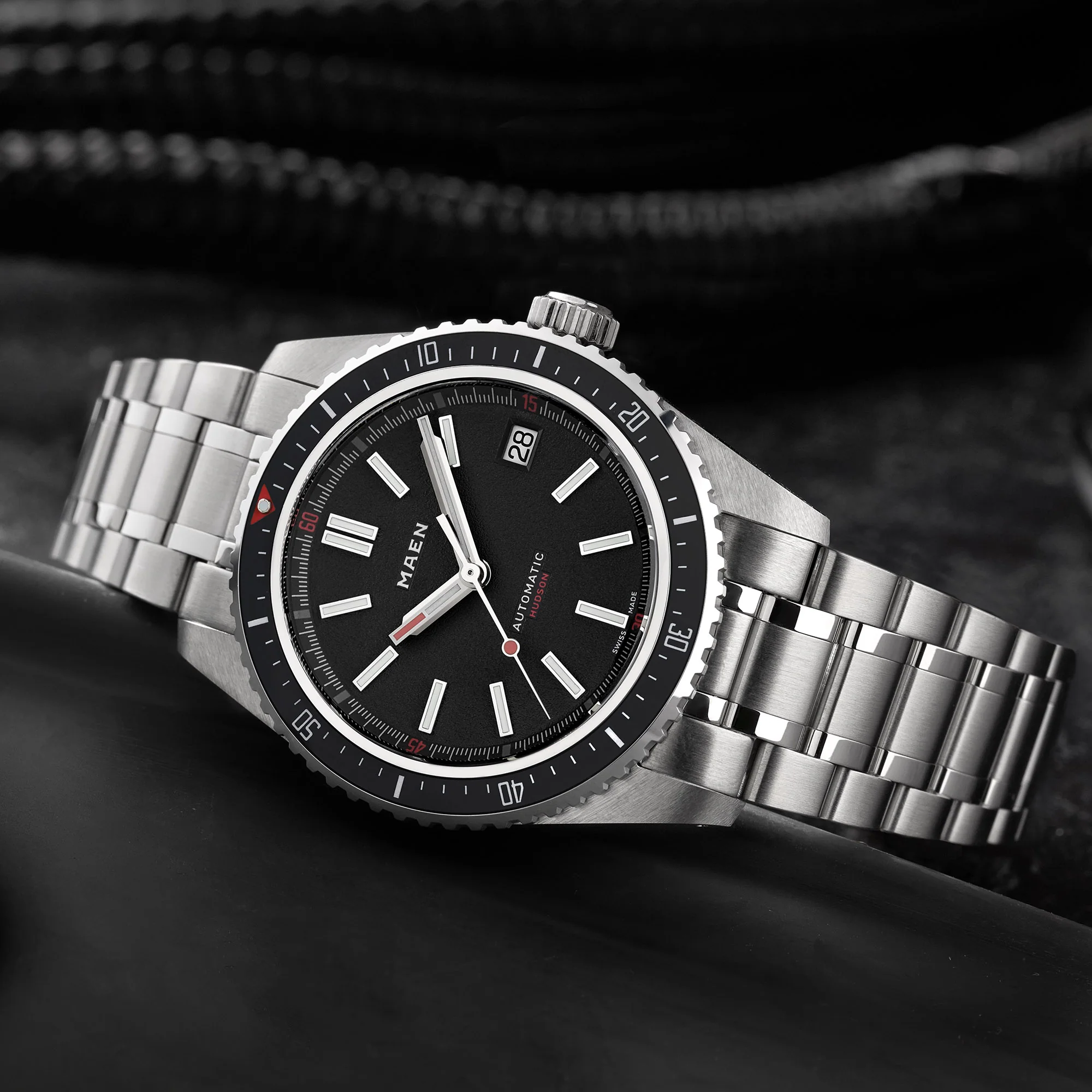
Pictured above is one of our absolute favourite microbrands, Maen. They have just released that beauty, the Hudson 38 MK5, that works as a very strong, affordable alternative to a Rolex Submariner.
The traits most people associate with microbrand watches
- Small team and limited production runs
- Direct-to-consumer sales model, usually through a website
- Online-first marketing through enthusiast communities and social media
- Outsourced manufacturing, often with reputable third-party suppliers
- A clear design point of view, sometimes niche or unconventional
- Prices that aim for value, often by cutting retail markup
The gray areas that confuse buyers
- Some microbrands grow up and stop feeling “micro”
- Some “independent” brands are small but operate like traditional brands
- Some brands blur lines by using crowdfunding, pre-orders, or limited drops
A useful rule of thumb: if the brand feels founder-led or led by a very small team, sells mostly direct, produces in relatively small batches, and lives or dies on enthusiast trust, you are probably in microbrand territory.
How Microbrand Watches Are Made and Sold
Microbrands rarely own big factories. Instead, they typically assemble a supply chain: case makers, dial manufacturers, handset suppliers, and movement providers, then specify the design and QC targets. This is not inherently “worse” than traditional watchmaking. It is just different.
Outsourcing does not automatically mean low quality
A lot of the watch industry runs on shared suppliers. What changes is oversight, consistency, and experience. Great microbrands sweat details like tolerances, finishing, lume performance, and bracelet fit. Weak ones chase a spec sheet and hope for the best.
Pre-orders and limited drops are part of the model
Because small brands cannot bankroll huge inventory, many rely on:
- Pre-orders (you pay, then the watch is produced and shipped later)
- Small “drops” (limited batches that can sell out fast)
- Periodic restocks (production runs spaced out over the year)
This helps keep prices down, but it shifts some risk and patience onto the buyer.
Microbrand vs Independent
Collectors often mix these terms, so here is the cleanest way to think about it.
Microbrand watches
- Usually newer, smaller, direct-to-consumer, limited runs
- Often focused on value and distinct design per euro or dollar
Independent watch brands
- Simply means not owned by a large conglomerate
- Can be small or large, affordable or expensive
- May have broader distribution and longer operating history than microbrands
Why Collectors Love Microbrand Watches
Microbrands do not win by heritage. They win by listening, iterating, and offering a lot of watch for the money.
Design freedom you do not always get from big brands
Microbrands often take risks with:
- Case shapes and proportions that cater to enthusiasts
- Dial textures and colors that would be “too weird” for mass retail
- Niche formats like field watches, skin divers, integrated-bracelet sports watches, or playful chronographs
Strong specifications for the price
If you’re shopping with a strict budget, this guide to affordable microbrand watches highlights models that overdeliver without relying on hype.
While specs are not everything, microbrands often compete hard on:
- Sapphire crystals
- Solid bracelets with decent clasps
- Higher water resistance than you expect at entry prices
- Modern lume and legibility
- Reliable off-the-shelf movements
This is where microbrand value can feel real: you get practical daily-wear benefits, not just storytelling.
Brands like AVI-8 show how this model works in practice. Our review of the AVI-8 CVRT Automatic is a good example of how microbrands combine storytelling with accessible pricing.
Community and access
Many buyers enjoy the small-brand dynamic: founders answer emails, take criticism publicly, and incorporate feedback. That relationship is part of the appeal, and it is also part of the accountability.
The Trade-Offs: What You Risk With Microbrands
Microbrand watches can be brilliant. They can also be frustrating. Knowing the failure modes is how you avoid disappointment.
After-sales service can be uneven
If a brand is tiny, service capacity may be limited. Even when the movement is a standard caliber that any competent watchmaker can handle, proprietary parts like cases, crowns, and bezels can be harder to replace.
QC variation is the hidden cost of “small”
Bigger brands have mature processes and scale. Microbrands sometimes improve quickly, but a hot launch can expose weaknesses in:
- Alignment (bezels, chapter rings, indices)
- Bracelet tolerances
- Cosmetic defects on dials or hands
Hype cycles can distort expectations
Limited drops and social buzz can make a watch feel essential. Sometimes it is. Sometimes it is just scarcity marketing in enthusiast clothing. Your best defense is to slow down and judge the watch, not the frenzy.
How to Evaluate a Microbrand Watch Before You Buy
If you are searching “are microbrand watches worth it,” the real answer is: they are worth it when you buy them like a journalist, not like a fan. Why do I say this? Because if you buy like a fan, you will probably be buying out of impulse, because you like the “vibes”. Take your time, do your research:
Check the fundamentals first
- Dimensions that make sense for your wrist (especially lug-to-lug)
- Legibility in real life, not just studio photos
- Bracelet clasp quality and micro-adjust, if it is on bracelet
- Warranty terms and how returns are handled
- Expected delivery timeline, especially for pre-orders
- Price makes sense to the movement they offer, especially when comparing mechanical and quartz options
Judge the brand’s credibility signals
- Clear ownership and identifiable team
- Transparent production updates, especially when delays happen
- Consistent communication tone, not defensive or vague
- Evidence of improvement across releases, not constant resets
For a quick shortlist built around price-to-quality, see our Top 10 affordable microbrand watches released in 2025.
Compare it to the obvious alternatives
This is where many microbrands either shine or collapse.
Ask yourself:
- What mainstream watch does this replace at the same price?
- What does it do better, and what does it do worse?
- If the logo disappeared, would I still want it?
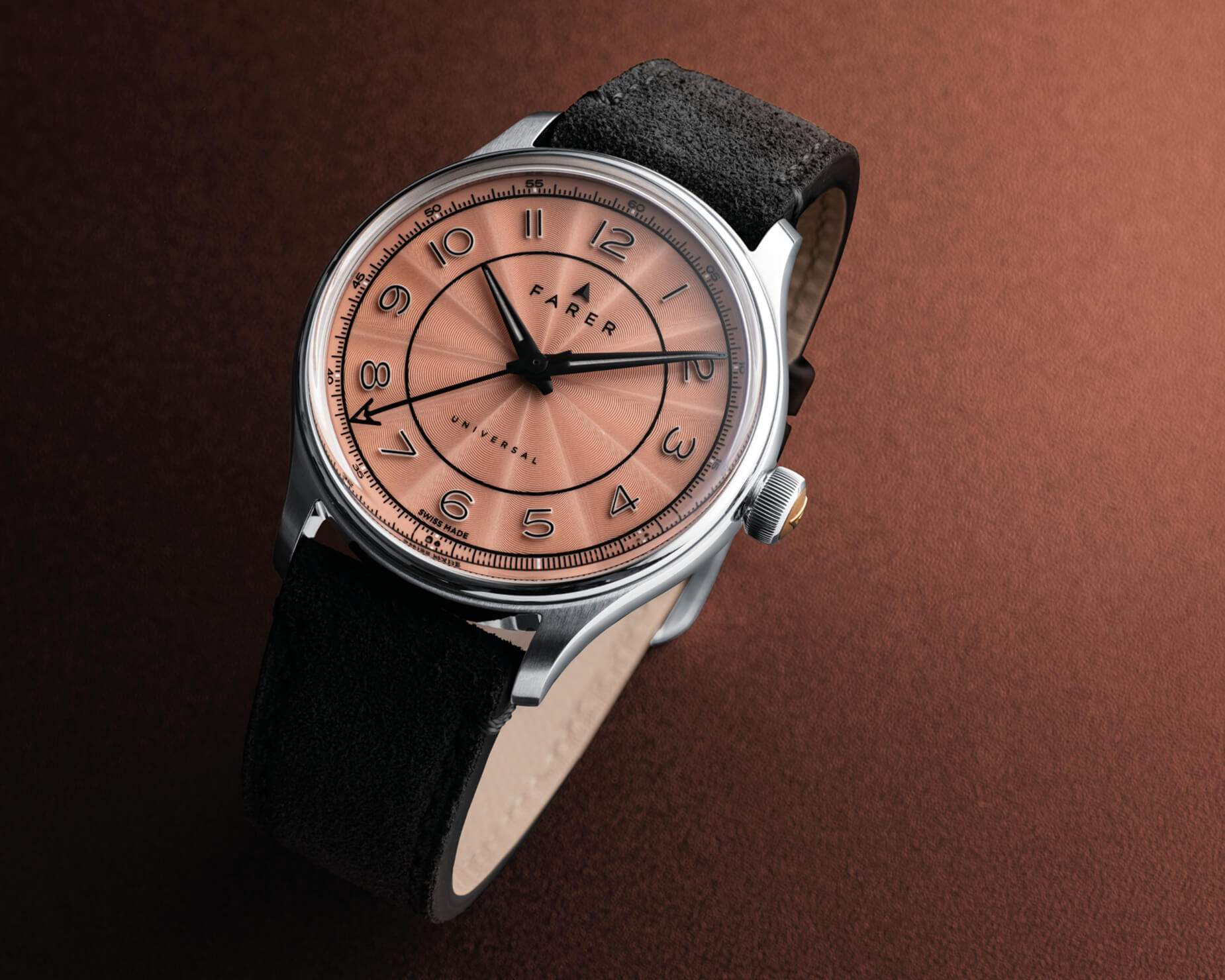
Microbrands tend to win on originality and spec value. Mainstream brands often win on long-term support, resale stability, and proven consistency.
The Microbrand Scene Is Growing Up
Microbrands used to be defined by affordability and internet hustle. Now the landscape is more layered:
- Some are still value-first and spec-heavy
- Some are design-driven and willing to charge more
- Some feel closer to boutique independents than “micro” newcomers
- Some have broken into broader media coverage and collector recognition
This evolution is why a fixed definition is unlikely to stick. The category is a moving target, shaped by community language more than industry standards.
If you want to move from theory to shopping, start with our affordable microbrand watches roundup, then compare it with the Top 10 picks for 2025.
Quick Answers About Microbrand Watches
They can be. Many offer excellent quality for the price, but QC and service can vary more than with large mainstream brands. Evaluate the brand’s track record, warranty, and communication.
Most sell direct-to-consumer, avoiding retail markups. Many also use outsourced production and widely available movements, which keeps costs controlled.
Not really, maybe there is a exception for every 1,000 watches. Buy a microbrand watch because you like it, not because you expect reliable appreciation.
Independent means not owned by a larger group. Microbrand is an informal term usually implying smaller scale, limited production, and online-first direct sales. A brand can be both.
If you are comfortable with online buying and you choose a reputable brand with strong service policies, yes. Microbrands can be a smart first step because they offer strong everyday specs and distinctive design without luxury pricing.