
There’s never been more “new” in affordable watches, and that’s the problem. Major brands churn out capsule collections, microbrands run on a constant launch cycle, and social feeds reward whatever is loudest today, not necessarily what will still look like a smart buy next month. In that kind of noise, genuinely strong releases can land with a soft thud and disappear before most people even realize they exist.
This roundup is built for the watches that didn’t get their victory lap. Not the obvious headline launches, and not the pieces that rely on scarcity to feel important. It’s the affordable releases that deserve a closer look, including some that were widely discussed and some that were easy to overlook, simply because the news cycle moved on before anyone could sit with them.
So if you’ve been trying to keep up and feeling like you’re always a few releases behind, this is your reset. Here are the affordable watch releases you might have missed lately, plus why each one matters and what you should weigh before you add it to your shortlist.
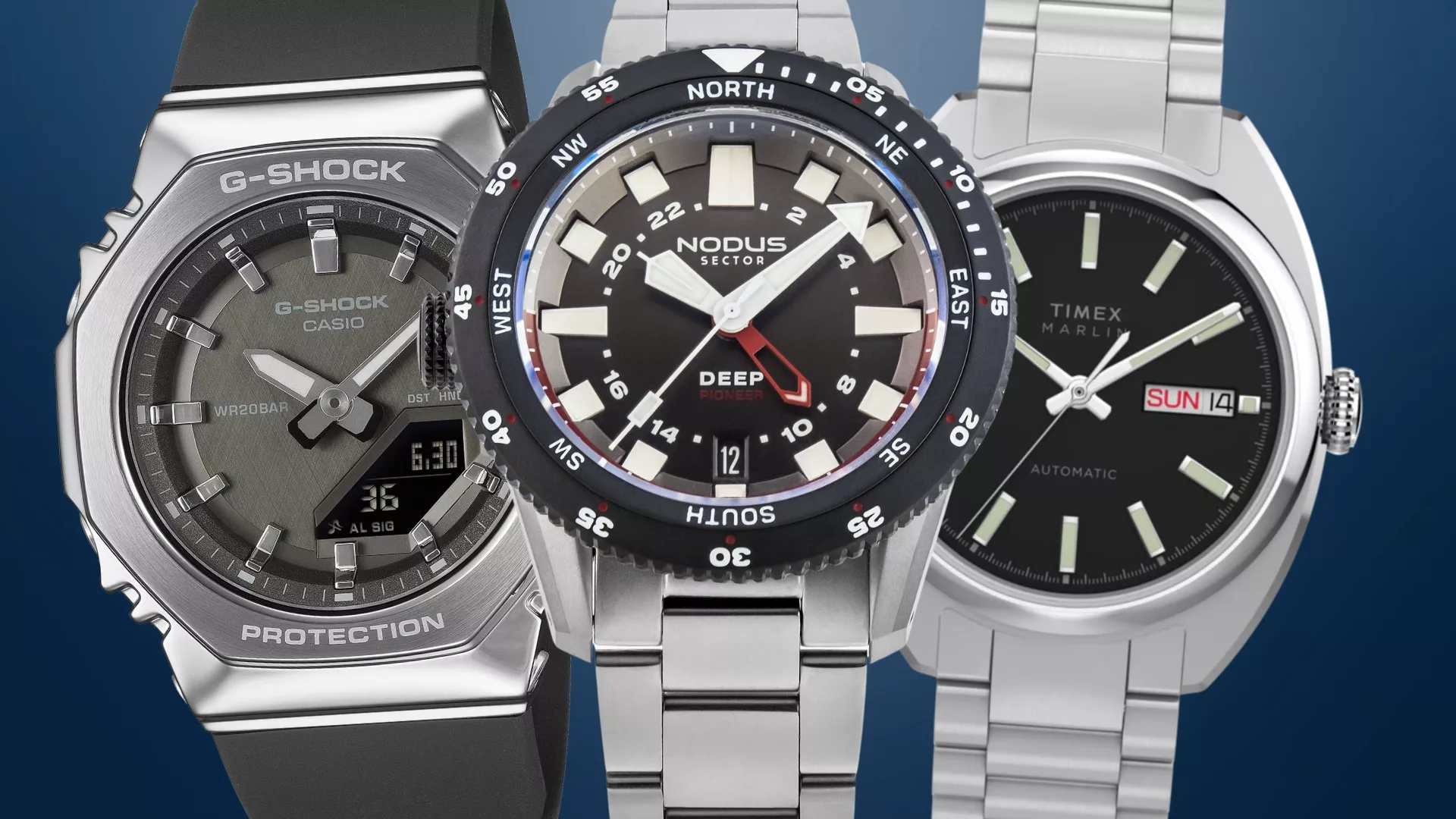
Timex Marlin Draper Automatic 37mm
I thought it, and you probably did too: this watch gives major Seiko SNXS79 vibes. And honestly, there’s nothing wrong with that. It’s a legendary design that just works.
The Timex Marlin line has always been about accessible mid-century style, but the Draper feels like it was designed for people who actually wear watches daily, not just admire retro silhouettes online. The cushion case nails that late-60s sports-watch language, and the 37mm diameter hits a sweet spot that’s strangely hard to find in modern affordable automatics.
What makes it compelling, on paper, is the practical spec mix: automatic movement, full lume on the markers, a day-date, and a bracelet with quick-release. The compromises are the expected ones at this price, notably mineral glass and modest water resistance, plus a thickness that reads a bit tall for a 37mm case. Still, as a clean, characterful everyday watch that doesn’t pretend to be something it isn’t, it’s an easy one to shortlist.
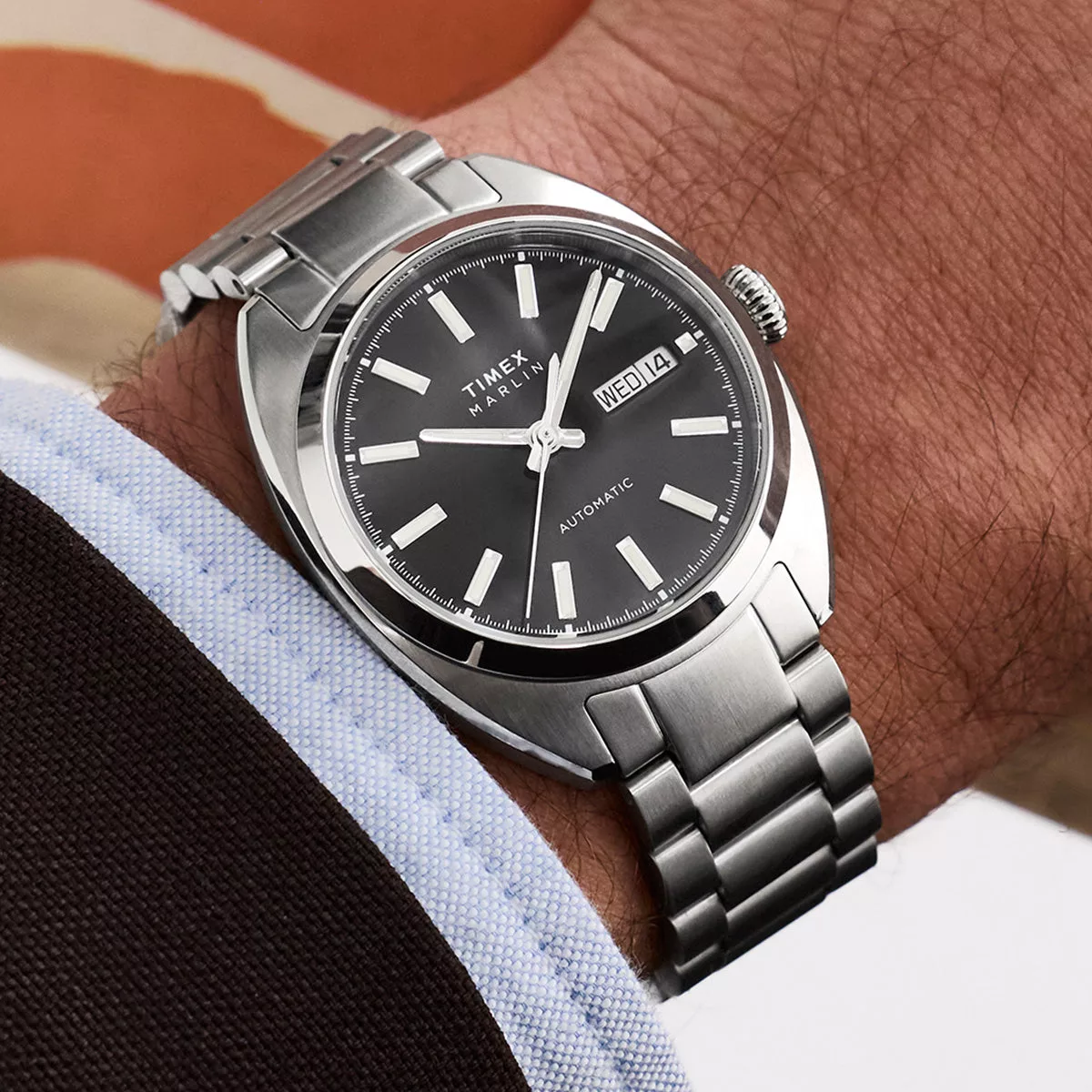
Case/dial: 37mm stainless steel cushion case, 12.5mm thick, black dial with luminous hands and full markers, day-date at 3 o’clock
Crystal: Flat mineral glass
Water resistance: 50 m / 5 ATM
Movement: 21-jewel mechanical automatic (caliber not specified on the product listing), exhibition caseback, quick setting for day and date
Strap: Stainless steel bracelet, 18mm lug width, quick-release spring bars, butterfly deployant clasp
Price: $299 USD
Why it stands out: A compact, vintage-leaning automatic that prioritizes wearability and everyday usefulness over spec-sheet theatrics. The cushion case gives it personality, the day-date adds real utility, and the overall package feels unusually coherent for the money, even with the predictable trade-offs.
Casio G-SHOCK GM-S2110-1A1
The “CasiOak” era gave G-SHOCK a new kind of mainstream credibility, but it also exposed a simple fit issue: not everyone wants that octagonal look in a watch that dominates the wrist. The GM-S2110 answers that quietly, trimming the formula down without diluting what makes the design work in the first place.
The 1A1 version doubles down on stealth. It’s essentially monochrome, with the metal bezel adding just enough visual “edge” to keep it from looking like a basic resin beater. On paper, it’s the kind of watch that gets worn a lot because it doesn’t demand styling effort, and because it keeps the classic G-SHOCK promise intact: tough, practical, and hard to kill.
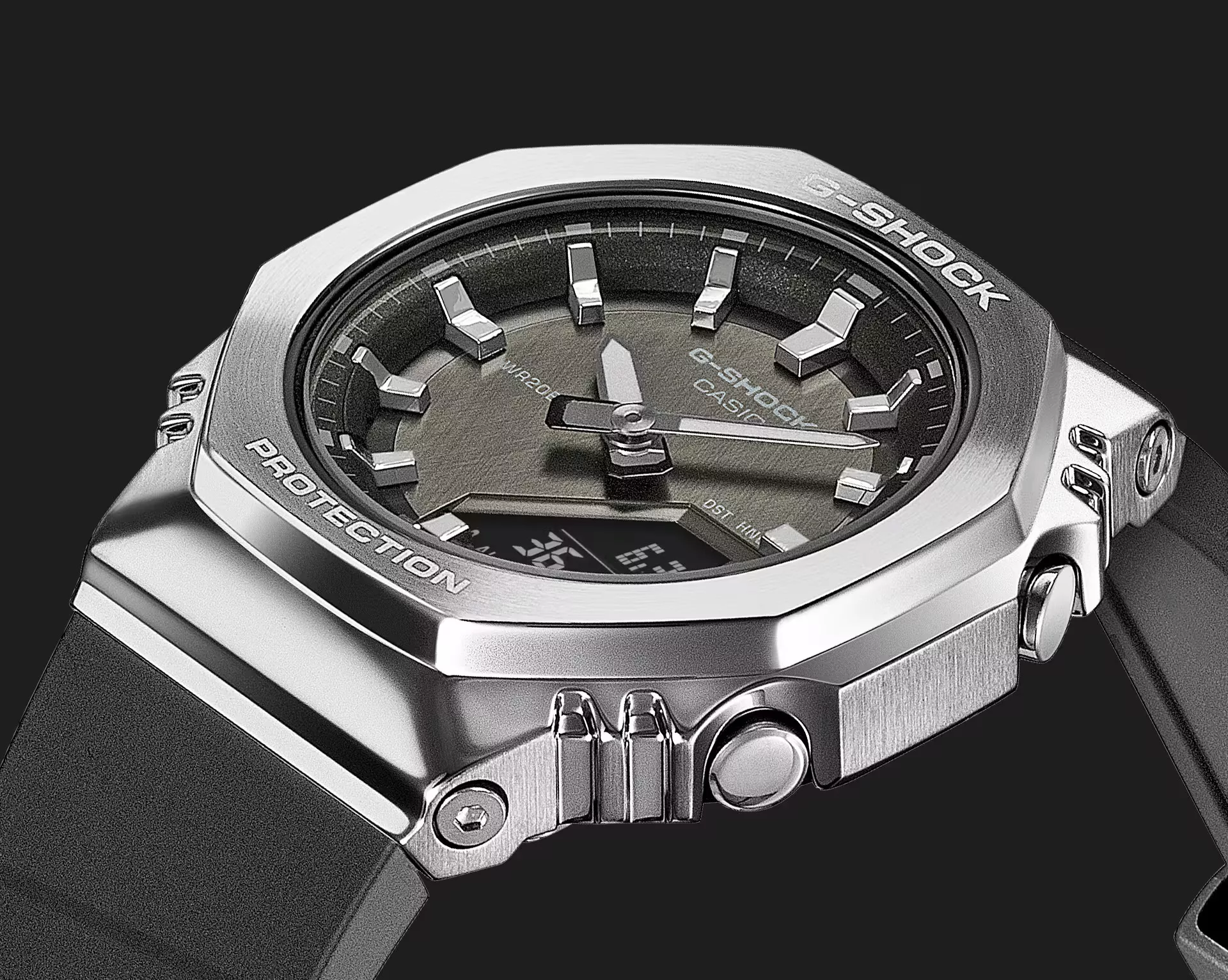
Case/dial: 45.9 × 40.5 × 11mm resin case with stainless steel bezel, black textured dial, analog-digital display, Neobrite treatment
Crystal: Mineral glass
Water resistance: 200 m / 20 bar
Movement: Quartz (Module 5730), approx. 3-year battery life on CR1025, hand-shift feature, world time, stopwatch, timer, 5 alarms, double LED “Super Illuminator”
Strap: Bio-based resin strap (fits approx. 145–190mm wrists)
Price: $200
Why it stands out: A genuinely wearable “metal CasiOak” for smaller wrists, priced where G-SHOCK still feels like a no-brainer. You get the look and the toughness with less bulk, plus a clean, versatile colorway. The trade-off is the usual one at this tier: mineral crystal over sapphire, and a design that prioritizes durability and function over finishing refinement.
Islander Brookville Calligraphy Edition (ISL-319)
Some watches earn their keep by being the “default good choice.” The Brookville has always lived in that lane: familiar enough to feel instantly wearable, but considered enough that it doesn’t read like a tribute piece. The Calligraphy Edition is Islander admitting something most affordable brands avoid saying out loud: the case already worked, so the update is about refining the personality.
The result is less “new model” and more “new mood.” A parchment-textured dial, sharp applied numerals, and small details like the pen-nib counterbalance on the seconds hand push it toward dressy-casual without losing the everyday backbone. On paper, the spec stack is still aggressive for the money, especially once you factor in the bracelet hardware and the included FKM strap.
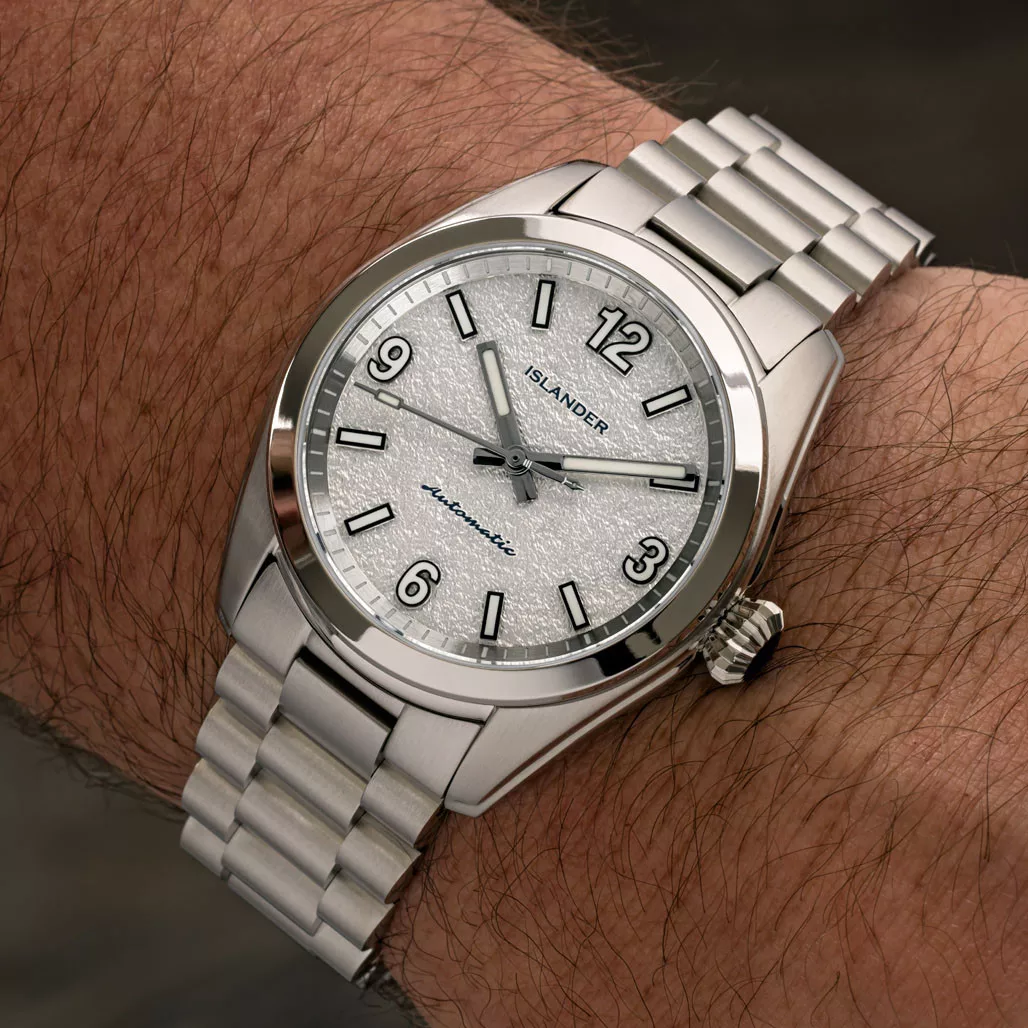
Case/dial: 38mm stainless steel case, 11mm thick, 44.5mm lug-to-lug, parchment-textured “silver parchment” dial with applied luminous numerals/markers, fountain-pen-nib seconds hand counterbalance
Crystal: Flat sapphire with inner anti-reflective coating
Water resistance: 100 m / 10 ATM (screw-down crown)
Movement: Miyota 9039 automatic, 28,800 vph, hacking and hand-winding, approx. 40h power reserve
Strap: Stainless steel bracelet (female endlinks, screwed links, quick-release) with tool-less micro-adjust clasp, plus bonus FKM rubber strap with quick-release
Price: $399
Why it stands out: A genuinely well-rounded “one-watch” proposition that blends familiar proportions with premium-feeling details where they count. The no-date 9039 keeps the dial clean, the sapphire and 100m rating make it practical, and the bracelet specs are the kind that usually show up at higher prices. The trade-off is that the upgrade is mostly aesthetic and ergonomic, so if you already own a Brookville, this one has to win you over on vibe.
Astor+Banks Terra Scout
Field watches are usually sold on nostalgia: canvas strap, faux-patina lume, a story about “military roots,” then you flip it over and it’s basically a generic three-hander. The Terra Scout takes a different approach. It treats the field watch as equipment first, then makes the aesthetics support that mission instead of the other way around.
What’s especially notable, on paper, is the spec stack coming from a small brand without tipping into gimmicks. A full-lume dial you can actually use, a serious anti-magnetic build, and the LJP G100 movement, which has become one of the more interesting “enthusiast” automatics outside the usual suspects. It’s not cheap for the category, but it’s also not playing the usual affordable-watch shortcuts.
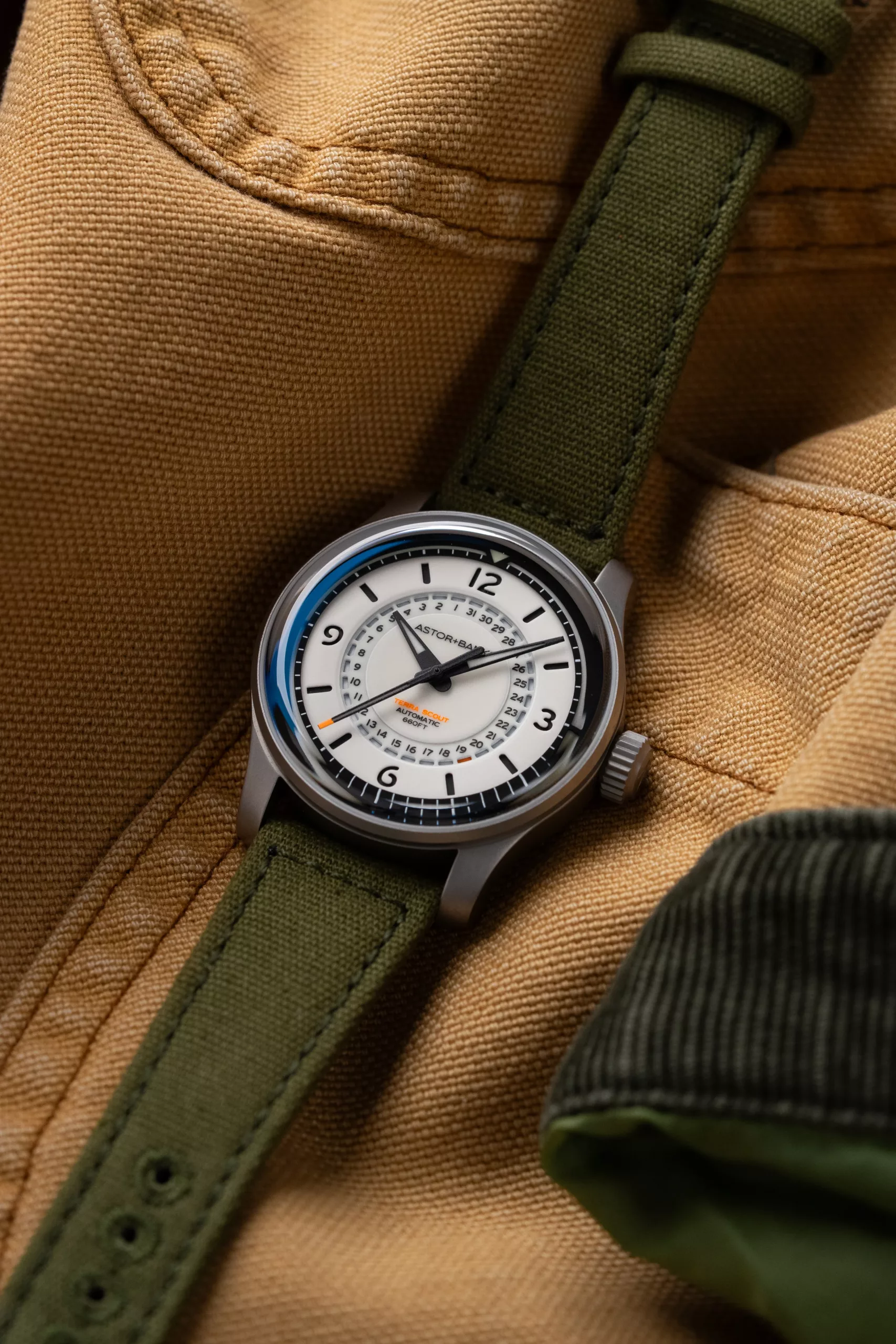
Case/dial: 38.5mm sandblasted 316L stainless steel, 12.4mm thick (10.4mm without crystal), 46mm lug-to-lug, soft iron plates for anti-magnetic protection up to 20,000 A/m, 3-layer full-lume matte white dial (BGW9 Grade A)
Crystal: Box sapphire with underside anti-reflective coating
Water resistance: 200 m / 20 ATM
Movement: LJP G100 automatic with soignée finish, 68h power reserve, adjusted in-house to ±8 seconds/day, custom date wheels
Strap: 20mm canvas strap and 20mm FKM rubber strap (both included), tapering to 16mm
Price: $887 (converted from EUR)
Why it stands out: A modern field watch that spends its budget where you feel it: legibility, real anti-magnetic construction, and a higher-tier automatic movement with a long reserve. The trade-off is straightforward, it’s priced closer to “entry premium” than bargain field-watch territory, so it has to win you on refinement and purpose, not just vibes.
Nodus Sector Deep Pioneer
Some watches try to be “adventure-ready” by borrowing the aesthetics: a compass motif here, a faux-tool bezel there, then you notice the water resistance or lume is more decorative than functional. The Sector Deep Pioneer takes the opposite route. It starts with capability, then layers on the design language like labels on a hard case. Water resistance? Meh, just the usual 500 meters. Practically nothing.
What makes it interesting is how unapologetically busy it is, yet still legible. A caller GMT, a true dive rating, and a dual-purpose bezel is a lot of ambition well under $1,000, especially from a microbrand. The Deep Pioneer’s pitch is basically, “Yes, you can have everything,” and the real question becomes whether you want a watch that’s always ready, even when your day is mostly desk and dog walk.
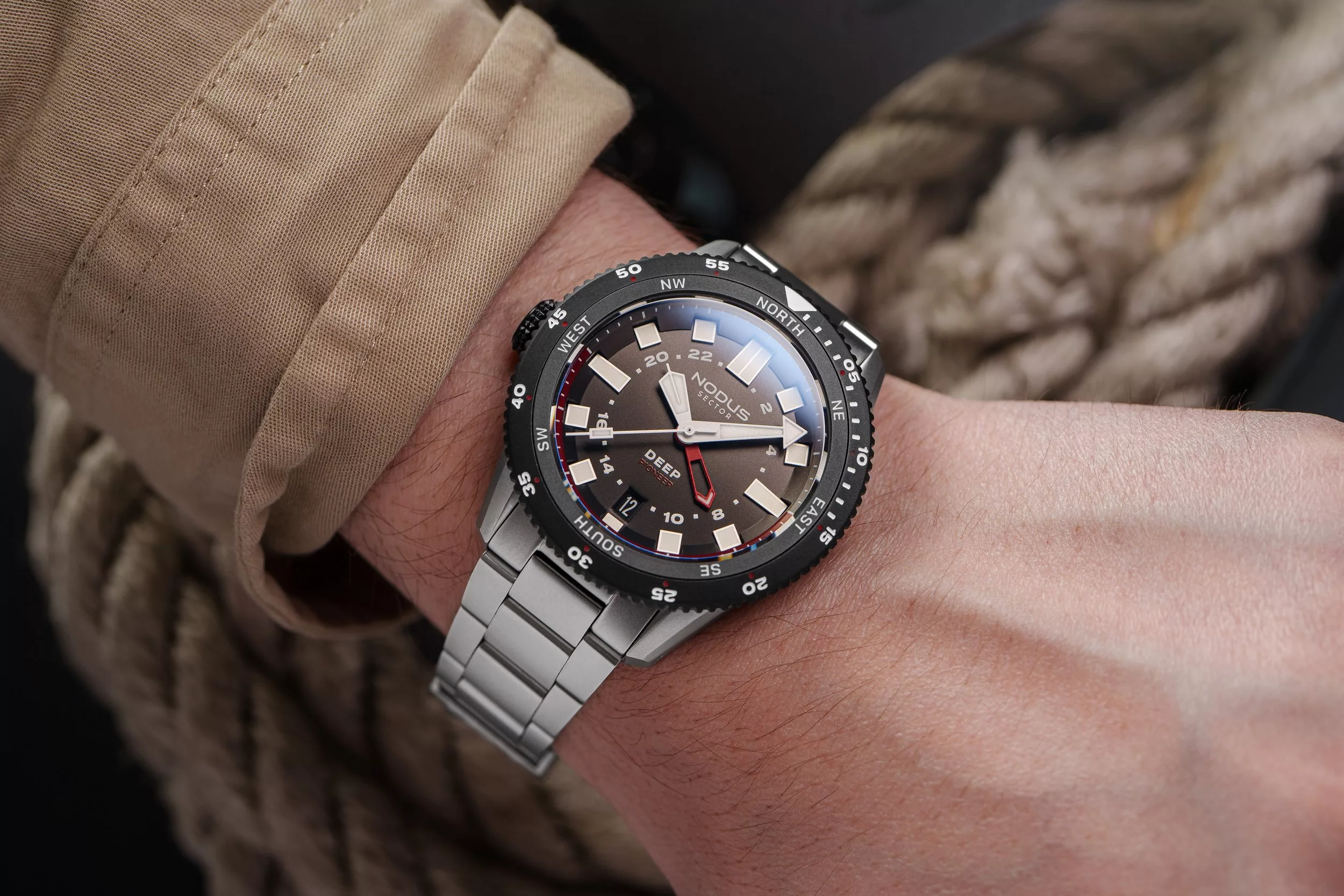
Case/dial: 38mm stainless steel case with 42mm bezel, approx. 13.6mm thick, 47mm lug-to-lug, sandblasted finish, destro crown layout, gradient green dial with applied markers and extensive lume
Crystal: Flat sapphire with anti-reflective coating
Water resistance: 500 m / 50 ATM
Movement: TMI NH34 automatic GMT (caller GMT), date, 21,600 vph, approx. 41h power reserve, typically regulated by the brand to tighter-than-stock tolerances
Strap: Stainless steel bracelet with screwed links and Nodus’ quick-adjust extension clasp system
Price: $625
Why it stands out: A rare “spec stack” that still feels purposeful rather than gimmicky: 500m water resistance, GMT utility, and a dual-scale bezel in a wearable package for the money. The trade-offs are the obvious ones: the dial has a lot going on, and the NH34 is a pragmatic workhorse rather than an upscale caliber, but as a do-it-all tool watch on paper, it’s unusually complete at this price.
Zelos Helica Moonphase Aventurine
Moonphases are usually sold as “dress watch” complications, best admired under soft lighting and rarely exposed to real life. The Helica Moonphase Aventurine flips that expectation. It pairs a romantic complication with a dial material that looks like a night sky, then backs it up with genuinely everyday specs, the kind you can wear without treating your wrist like a museum display.
The bigger story here is value and intent. No, we have not added a $4000 watch by mistake. A Swiss manual-wind moonphase, an aventurine dial, and a wearable 39mm case under the psychological $1,000 line is not a common combination. The trade-off is availability and restraint. This is the sort of release that can vanish quickly, and if you are moonphase-curious but prefer subtlety, the aventurine sparkle will either be the whole point or a deal-breaker.
The catch is that it is already out of stock, which is very much the Zelos way. Still, it’s worth mentioning because the value proposition is so sharp that it sets a benchmark for what “affordable moonphase” can look like. If you’re moonphase-curious and missed the drop, this is one of those releases that can be worth hunting on the secondary market, assuming the pricing stays sane.
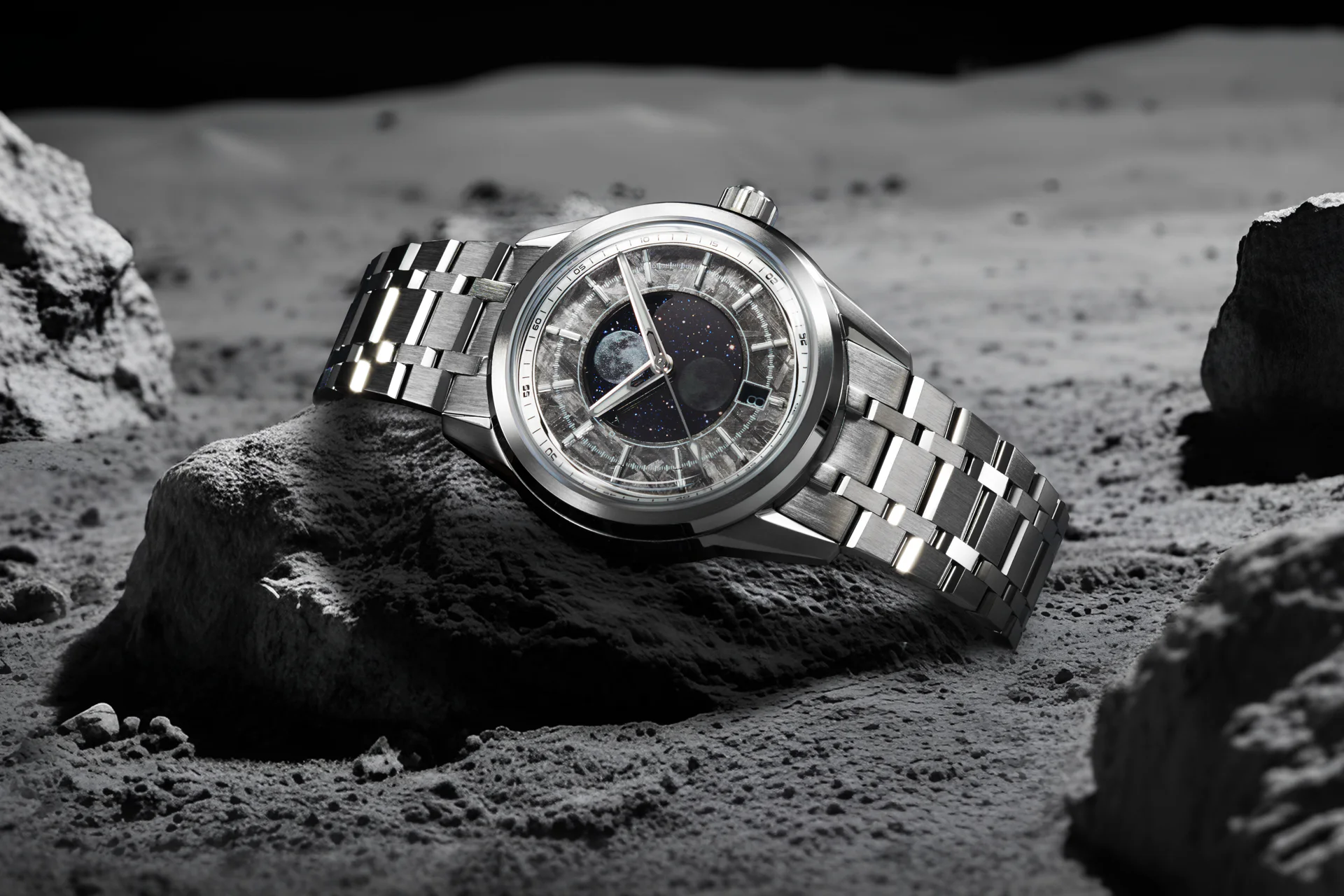
Case/dial: 39mm 316L stainless steel, 45.5mm lug-to-lug, aventurine dial with smoked moonphase aperture and lumed moonphase disc
Crystal: Box-shaped sapphire crystal with sapphire display caseback
Water resistance: 100 m / 10 ATM
Movement: Swiss Sellita SW288 “Panoramic” moonphase, manual wind, approx. 40h power reserve
Strap: Stainless steel bracelet with on-the-fly quick-adjust clasp, 20–16mm taper
Price: $949 (currently out of stock, but will probably come back)
Why it stands out: A moonphase that is priced and specced like a daily wearer, not a fragile dress piece. The case proportions are modern and manageable, the materials feel upscale on paper, and the complication looks thoughtfully integrated. The main compromises are practical ones: manual winding is not for everyone, and limited availability can make it harder to buy at retail.
2026 is already looking promising. If the first wave of releases is any indication, brands are getting sharper about what “value” actually means, not just more specs, but better proportions, better finishing where it counts, and features that make sense in real life. The pace is only going to accelerate, which is exactly why a catch-up format like this matters.
If you want a snapshot of what set the bar last year, check out our 2025 guide to the best watches under $1,000. It’s a useful baseline for comparing today’s newcomers against the strongest releases from the previous cycle.
And if you spotted something here that you hadn’t even heard about, that’s exactly the point of this series. There’s simply too much coming out to cover every release in real time. We’ll keep doing these catch-ups, and we’ll keep focusing on what matters most: what’s genuinely new, what’s genuinely good value, and what’s worth your attention before the next wave hits.