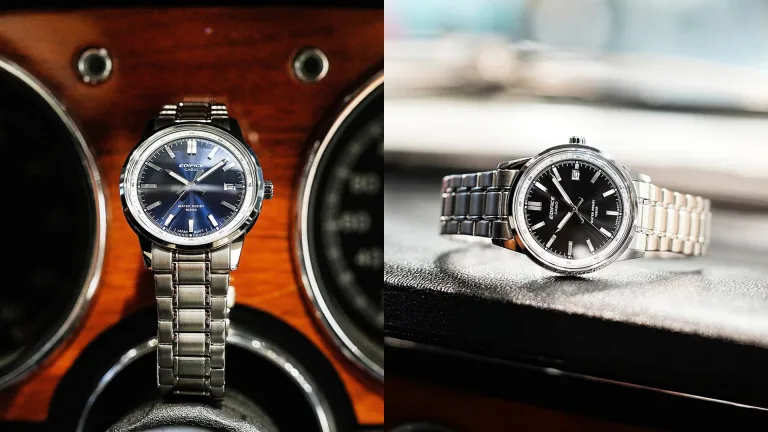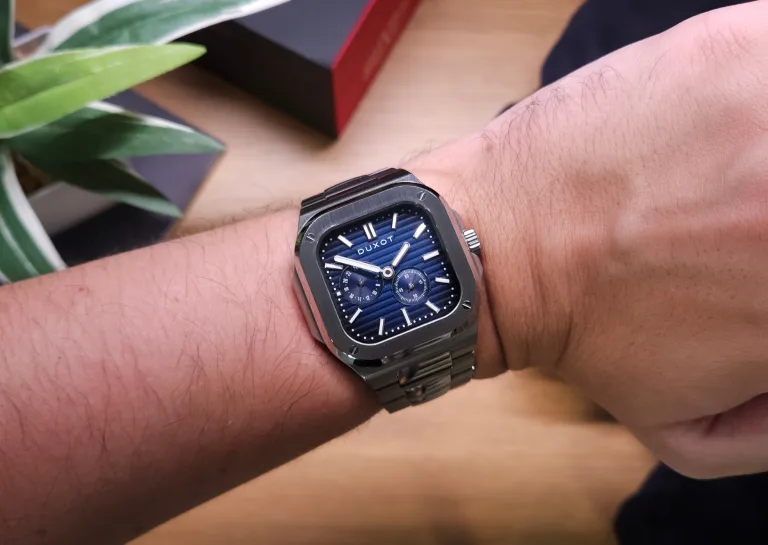

Every watch enthusiast eventually reaches a fork in the road. Automatic vs quartz watches. On one side sits the sweeping, mechanical heartbeat of an automatic movement. On the other lies the unwavering, surgical precision of quartz. For the budget-conscious collector at PynionTime, this choice is more than just a technical specification, it is a decision about how you want to experience time.
In the world of affordable horology, where every dollar spent needs to justify its place on the wrist and collectors are constantly searching for strong options, usually under $1,000, the automatic vs quartz debate is less about which is better and more about which philosophy aligns with your lifestyle and how you actually wear your watch. Let us break down the internal architecture, the long-term costs, and the soul of these two titans.
Watch Movements Explained: The Mechanics of the Heartbeat
To understand the difference, we must look beneath the dial. The movement, or caliber, is the engine that drives the hands. In affordable watchmaking, these two engines could not be more different in their approach to physics.
Automatic Movements: The Living Machine
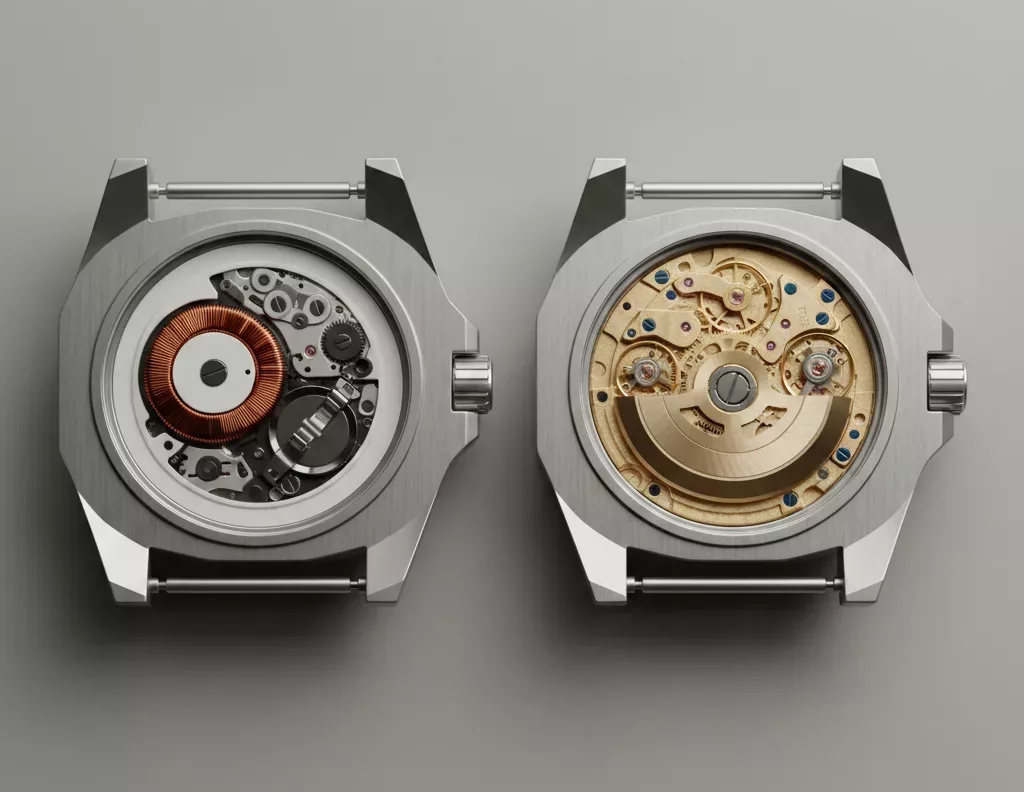
An automatic watch is a mechanical marvel that powers itself using the kinetic energy of your own body. As you move your arm, a weighted rotor inside the watch spins, winding a mainspring that stores energy. This energy is then released through a complex series of gears and an escapement.
The beauty of an automatic movement lies in its lack of electronics. It is a purely physical object. For many, there is a romantic satisfaction in knowing that a series of tiny springs and levers, often visible through a transparent case back, are working in harmony to track the passing seconds. However, this complexity comes with a trade-off: if you stop wearing the watch for a few days, the power reserve will run out and the watch will stop.
Owning an automatic watch is a commitment to the physical. It is a reminder that even in a digital age, there is something deeply rewarding about a machine that breathes only when you move.
Popular Automatic Watch Movements
Seiko NH35 / NH36
Beat rate: 21,600 vibrations per hour (6 ticks per second)
One of the most common automatic movements in affordable watches and microbrands. It offers hacking seconds, hand-winding, and excellent reliability. You will find it in countless dive watches under $500.
Miyota 8215
Beat rate: 21,600 vibrations per hour (6 ticks per second)
A long-running Japanese movement produced by Citizen. It is known for durability and affordability, though it does not hack seconds. Many entry-level automatics and microbrands use it.
Miyota 9015
Beat rate: 28,800 vibrations per hour (8 ticks per second)
A higher-frequency Japanese movement often used as an alternative to Swiss calibers. The smoother seconds sweep and thinner architecture make it popular in mid-range microbrand watches.
ETA 2824-2
Beat rate: 28,800 vibrations per hour (8 ticks per second)
One of the most famous Swiss automatic movements ever produced. Known for accuracy and serviceability, it has powered watches from many brands for decades.
Sellita SW200
Beat rate: 28,800 vibrations per hour (8 ticks per second)
Essentially the modern Swiss workhorse replacing the ETA 2824 in many watches. It offers similar performance and reliability and is widely used by independent brands.
Quartz Movements: The Precision Instrument
Quartz technology, which triggered a revolution in the 1970s, operates on a completely different plane. It uses a tiny battery to send an electrical current through a small, man-made quartz crystal. This crystal vibrates at an incredibly consistent frequency (usually 32,768 times per second). A microchip counts these vibrations and converts them into a pulse that moves the hands.
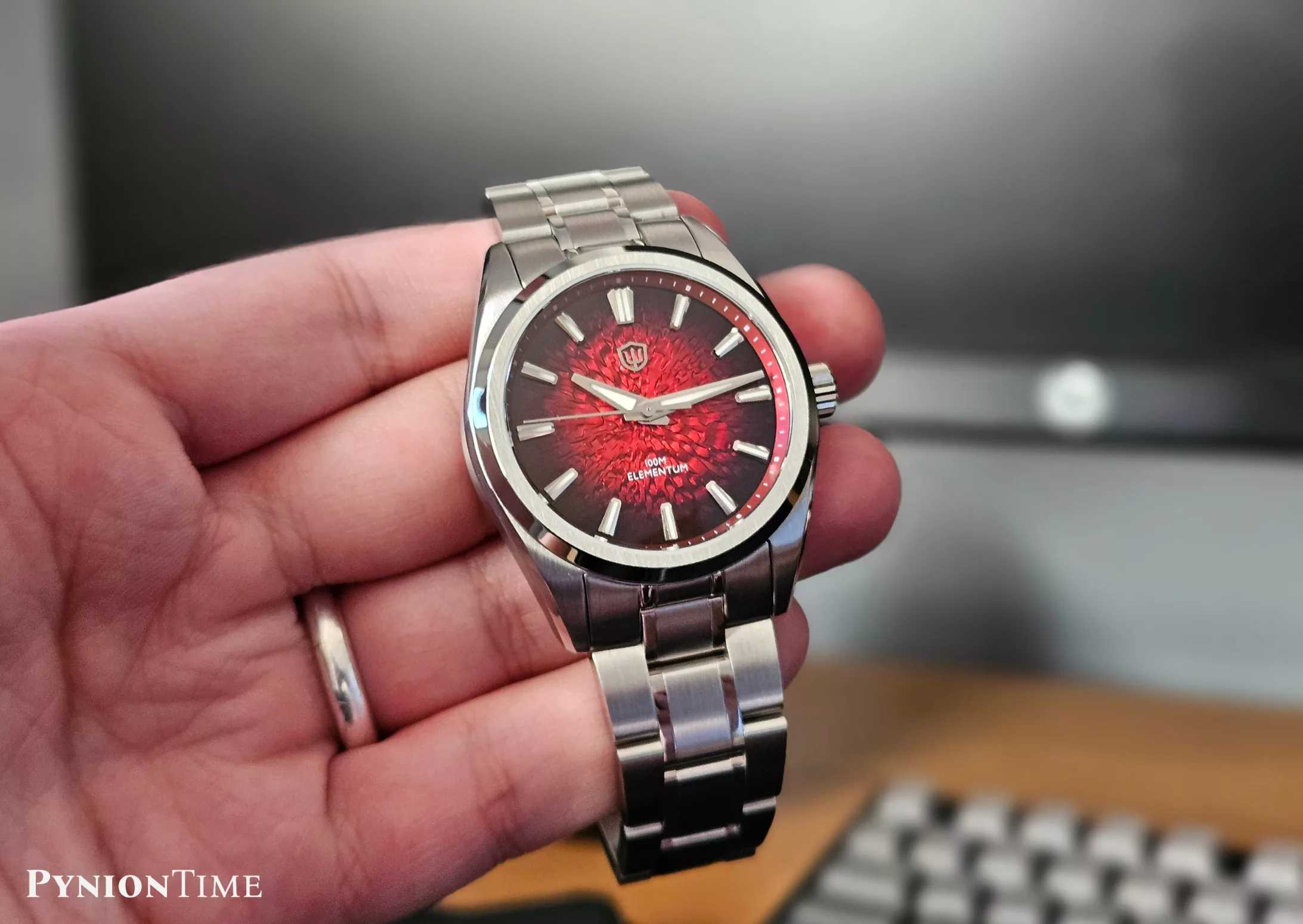
In terms of pure engineering efficiency, quartz is the winner. It is a set-and-forget technology. You can leave a quartz watch in a drawer for six months, and when you pick it up, it will still be ticking to the correct second. In the affordable segment, quartz allows for thinner cases and more robust shock resistance since there are fewer delicate moving parts to get knocked out of alignment.
Popular Quartz Watch Movements
Seiko VH31 (Mecha-Quartz Style Sweep)
Tick rate: 4 ticks per second
Unlike most quartz watches, this movement produces a smoother sweeping seconds hand. It is popular in affordable watches that want to visually resemble mechanical watches.
Seiko VK64 (Mecha-Quartz Chronograph)
Tick rate: 1 tick per second for time, mechanical reset for chronograph
A hybrid quartz chronograph movement where the stopwatch mechanism behaves mechanically, including the snap-back reset. Very common in affordable chronographs.
Miyota 2035
Tick rate: 1 tick per second
One of the most widely used quartz movements in the world. Extremely reliable and inexpensive, it powers countless entry-level watches.
Ronda 515
Tick rate: 1 tick per second
A Swiss quartz movement frequently used in fashion watches and affordable Swiss brands. Known for its durability and long battery life.
New to affordable watches?
If you are just starting out, our Guides section is the best place to begin. You will find curated roundups of affordable watches running both automatic and quartz movements, plus explainers on materials, brands, and buying strategies.
Automatic vs Quartz watches: Accuracy and the Reality of Daily Wear
If your primary goal is to never be late for a meeting, the data favors quartz. A standard quartz movement is typically accurate to within 15 seconds per month. High-accuracy quartz models can even narrow that gap to seconds per year.
But that’s still not the best. Citizen’s radio-controlled watches (often labeled A-T for Atomic Timekeeping) are the ultimate “set-and-forget” pieces for a collection. When it comes to accuracy, they operate on two distinct levels depending on whether they can “talk” to the atomic clock. When the watch successfully receives its nightly radio signal, it synchronizes with an atomic clock. These clocks use the vibrations of atoms to keep time and are accurate to one second every 100,000 years. Madness.
Automatic watches, even high-quality affordable ones from reputable Japanese or Swiss manufacturers, are generally accurate to within 10 to 30 seconds per day. While this might sound like a significant discrepancy, in the context of a 24-hour cycle, it is a charming quirk rather than a functional failure. Owning an automatic watch requires a small ritual: the occasional resetting of the time and the tactile joy of winding the crown. For many, this interaction is exactly why they love the hobby.
The Cost of Ownership in Affordable Horology
When we talk about affordable watches, we must consider the total cost over a decade. Quartz watches are significantly cheaper to maintain in the short term. Every two to five years, you will need a battery change, which typically costs less than a lunch at a local cafe.
Automatic watches are built to last a lifetime, but they require professional servicing every five to ten years to keep the lubricants fresh and the parts moving smoothly. In the affordable bracket (watches under $1000), the cost of a full service can sometimes approach the original price of the watch itself.
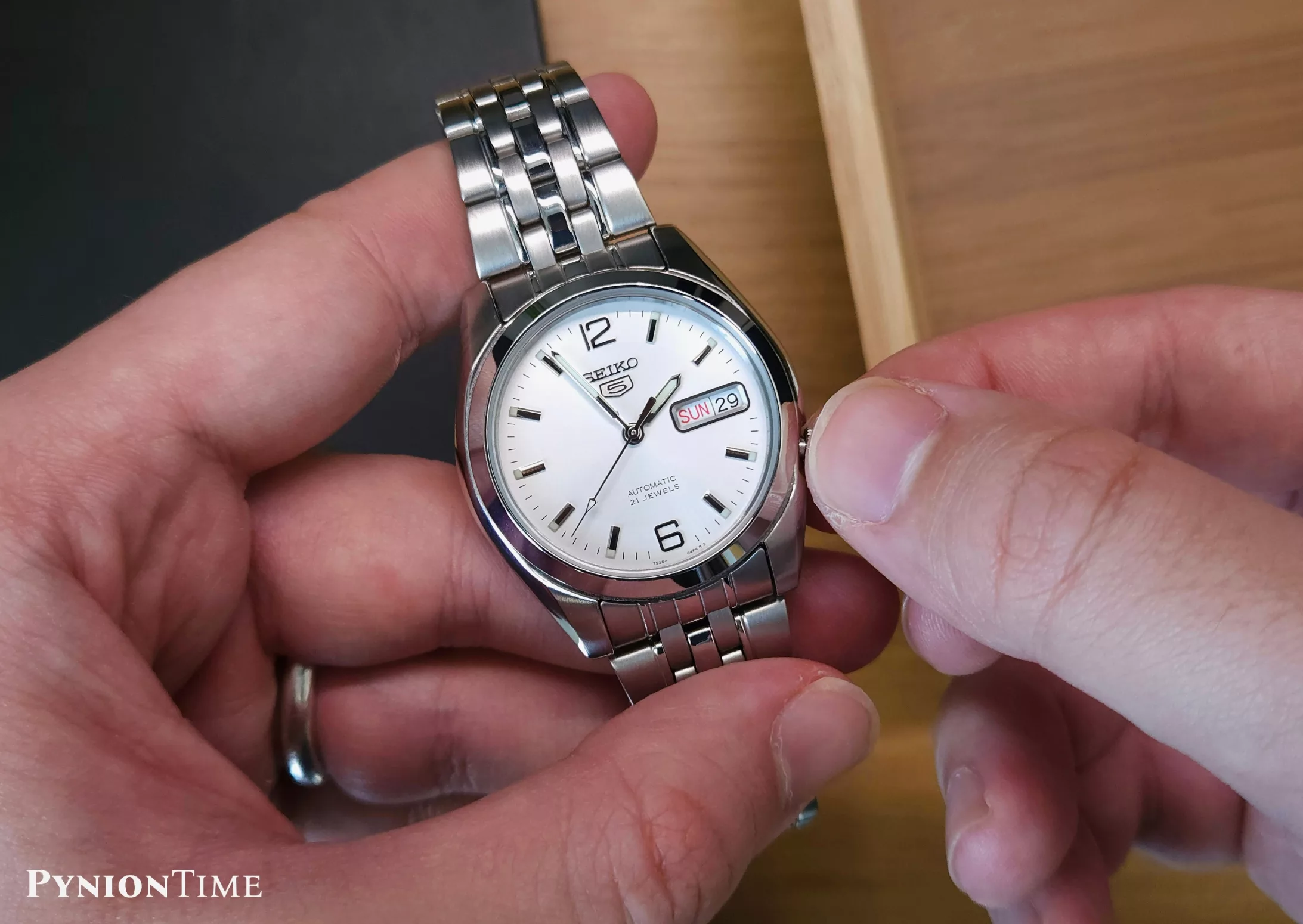
Take the Seiko 5, for example, one of the most popular budget automatics on the market, where a routine service can run a meaningful percentage of what the watch originally cost.
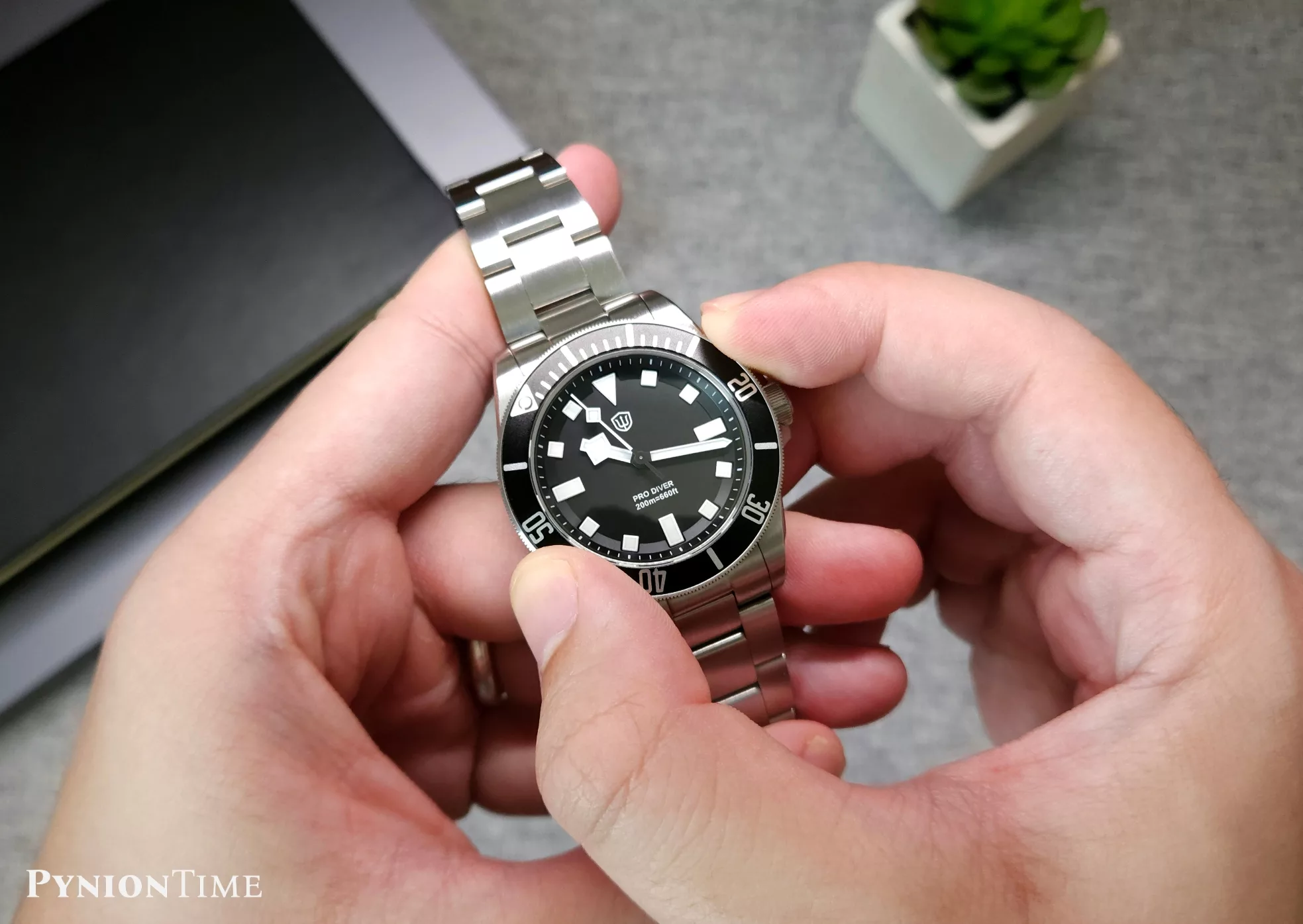
Compare that to a quartz piece like the Watchdives WD1969 Pro, which simply needs a battery swap every couple of years and keeps running with none of that long-term overhead. This creates a unique dynamic for the budget collector: do you treat the watch as a lifelong heirloom to be maintained, or as a mechanical experience to be enjoyed until it eventually tires?
Aesthetics and the Intangible Appeal
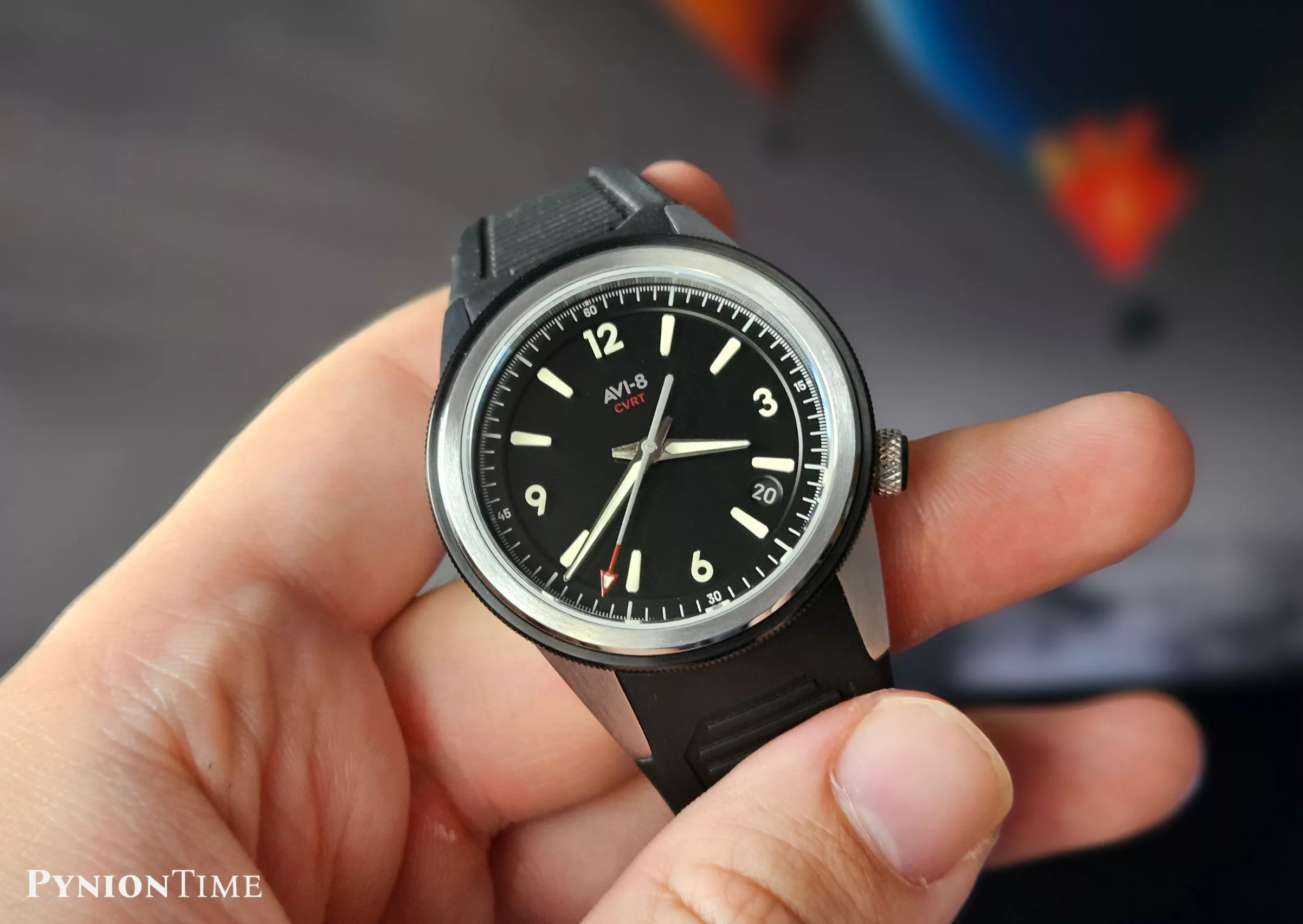
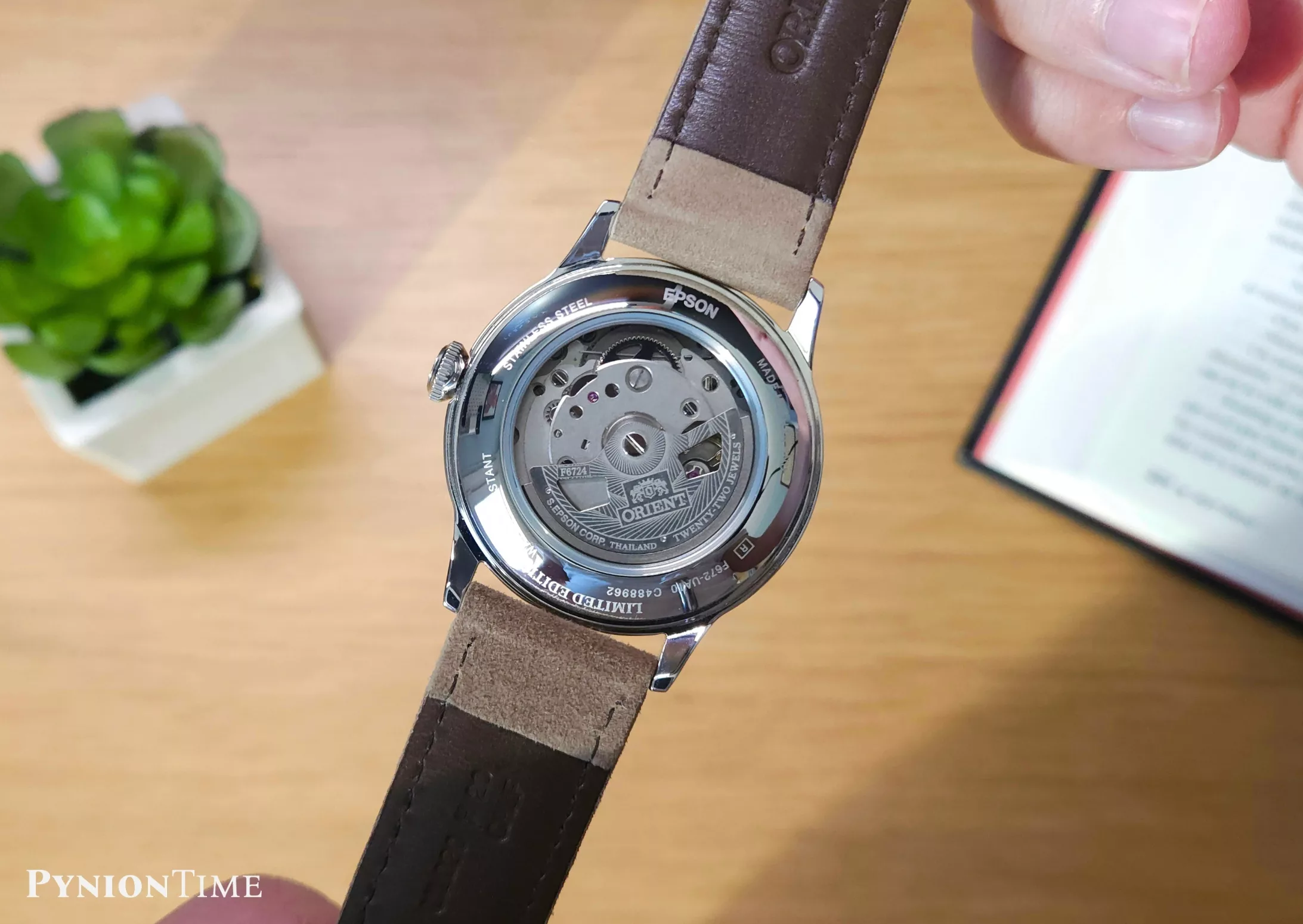
Beyond the numbers, there is the visual experience. The most immediate way to tell the two apart is the motion of the seconds hand. On a quartz watch, the hand typically jumps once per second, creating a distinct ticking sound. On an automatic, the hand sweeps smoothly around the dial, a visual cue of the constant tension and release happening inside. Some of them even have an exhibition caseback, which lets you appreciate the magic happening in your wrist.
The rise of microbrand watches and the democratization of manufacturing have made “affordable” no longer synonymous with “cheap.” You can now find beautifully finished automatic movements in watches that cost less than a weekend getaway. Conversely, the industry has seen a resurgence in “high-end” quartz, where brands focus on extreme durability or solar-powered sustainability (like Citizen’s Eco-Drive), offering a different kind of technological prestige.
Conclusion: Which Movement Fits Your Wrist?
Choosing between automatic and quartz comes down to your personal priorities. Neither is a wrong choice, but one will likely resonate more with your daily habits.
Choose an automatic watch if:
- You appreciate the history and “soul” of mechanical engineering.
- You enjoy the ritual of setting and winding your timepiece.
- You want a watch that could theoretically run forever without a battery.
- You find the smooth sweep of a seconds hand hypnotic.
Choose a quartz watch if:
- You prioritize absolute accuracy and reliability.
- You want a low-maintenance “grab and go” timepiece.
- You prefer a thinner, lighter watch profile.
- You are looking for the best possible value for a limited budget.
At PynionTime, we believe the best collection is often a mix of both: a rugged quartz for the weekend adventures and a soulful automatic for the moments that matter.