
(This article features affiliate links, for more information, click here.)
Wearing a watch seems simple, just strap it on and go. But small details like size, placement, and style can make the difference between a watch that elevates your outfit and one that feels out of place.
This guide explains how to wear a watch correctly, from practical fit rules to matching your watch with different occasions. Whether you’re looking for a versatile GADA watch or a dress piece for formal events, you’ll find clear, no-nonsense advice.
Wearing a Watch With Purpose
Wearing a watch well means understanding how it fits into your overall appearance. A watch should complement your outfit, not dominate it. When chosen carefully, it blends naturally into your look and reinforces your personal style without drawing unnecessary attention.
A good watch feels appropriate for the moment. It looks comfortable on your wrist, matches the tone of your clothing, and reflects who you are, not just current trends.
And no, you don’t need to spend a fortune to get your perfect watch. Today’s affordable watch market is broader than ever, with countless independent brands often referred to as microbrands offering well-designed pieces at accessible prices. You will find some recommendations in this article as well.
What Size Watch Should You Wear?
When choosing a watch, many people focus only on the case diameter, but the lug-to-lug measurement, the distance from the tip of one lug to the opposite, often determines how the watch actually wears on your wrist. A watch can be 40–41 mm in diameter but feel huge if its lug-to-lug is long, or it can wear smaller with a compact lug span. The latter is my case.
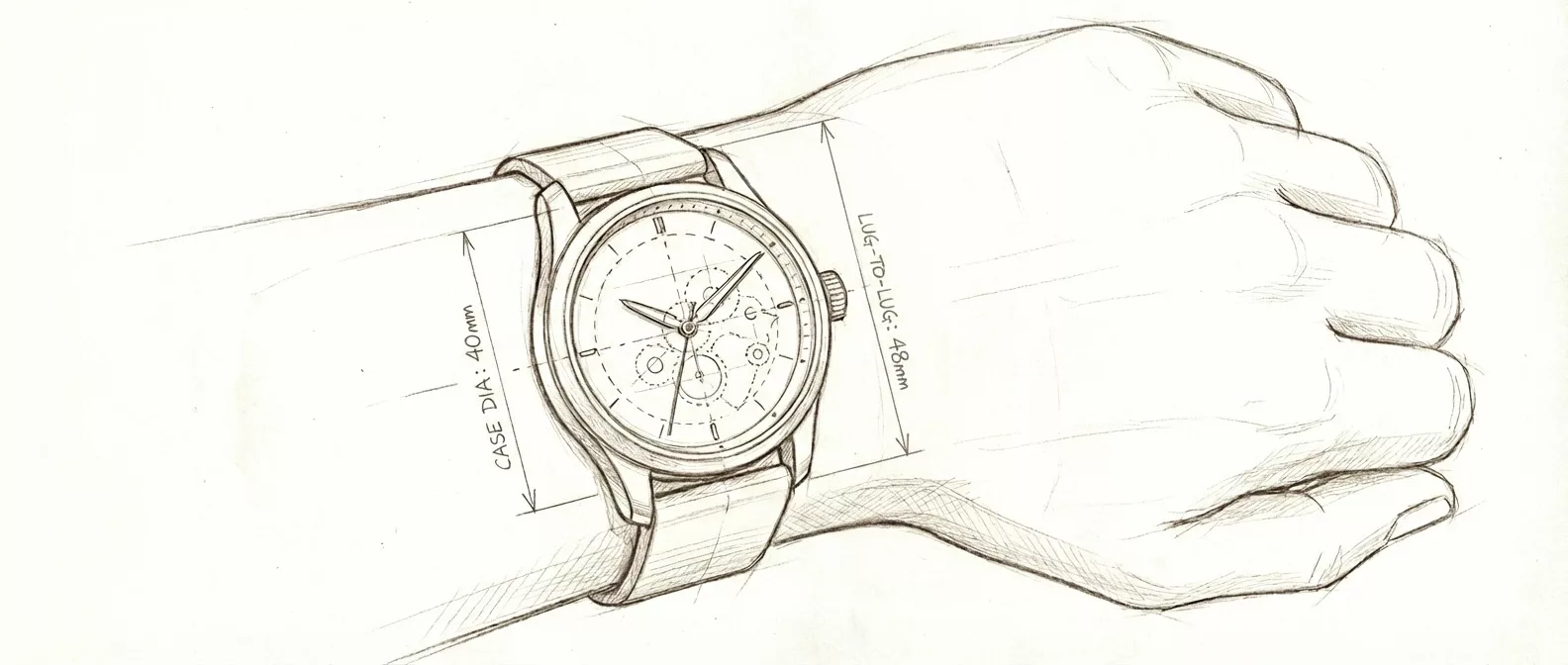
As a general rule, aim for a lug-to-lug length that is at or slightly below the width of your wrist. For smaller wrists (~16–17 cm), keeping the lug-to-lug under ~46–48 mm usually results in a comfortable and proportionate fit, even if the diameter is on the larger side.
Lug-to-lug matters more than case size. If the lugs extend past your wrist, the watch is too big, no matter what Instagram says.
Choosing the Right Watch for Daily Wear
The GADA Concept: One Watch That Does It All
For daily wear, a useful way to think about watches is through the concept of GADA, which stands for Go Anywhere, Do Anything. A GADA watch is designed to adapt seamlessly to different environments, outfits, and activities without feeling out of place. For some people, movement type also plays into daily wear choices, whether the reliability of quartz or the character of an automatic aligns with how you live. If you want a deeper breakdown of those differences, check out our guide on automatic vs quartz watches.
This type of watch is not extreme in any direction. It isn’t too sporty, too formal, or too flashy. Instead, it sits in the middle, offering versatility above all else. A true GADA watch can be worn to work, on the weekend, while traveling, or during casual social occasions.
Key characteristics of a GADA watch include:
- A clean, legible dial without excessive decoration
- A moderate case size that suits most wrists
- Durable construction without looking rugged
- A leather strap or brushed metal bracelet that pairs easily with different outfits
What to avoid with a daily watch:
- Oversized cases that dominate the wrist
- Highly polished finishes that attract too much attention
- Designs that are overly technical or trend-driven
A good GADA watch quietly adapts to your life. It doesn’t demand attention, it earns appreciation over time.
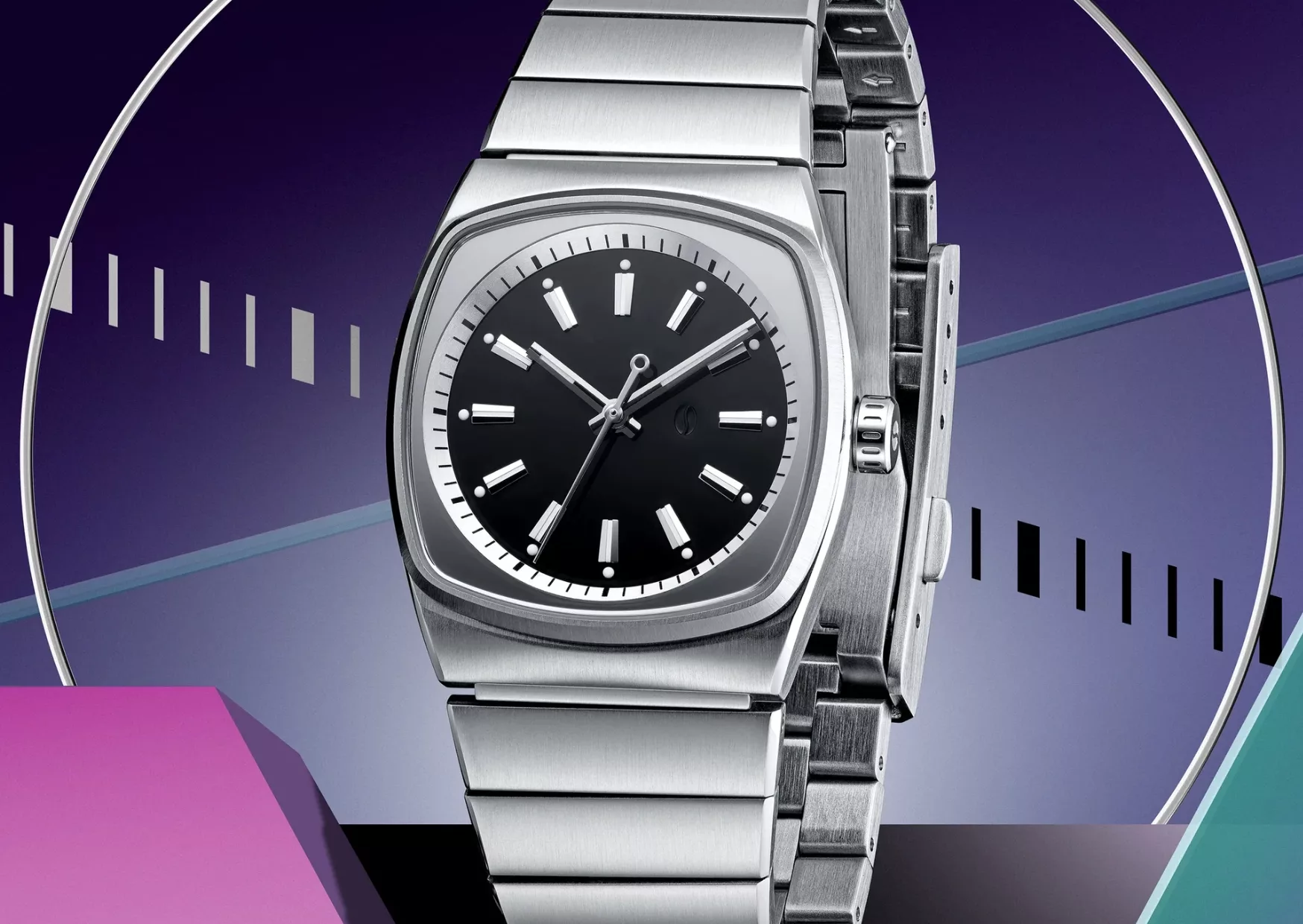
Brew Metric Lite 30mm
A design-forward take on everyday wear, blending vintage inspiration with modern minimalism. Compact, lightweight, and visually distinctive, it works best for casual and creative settings where personality matters as much as practicality.
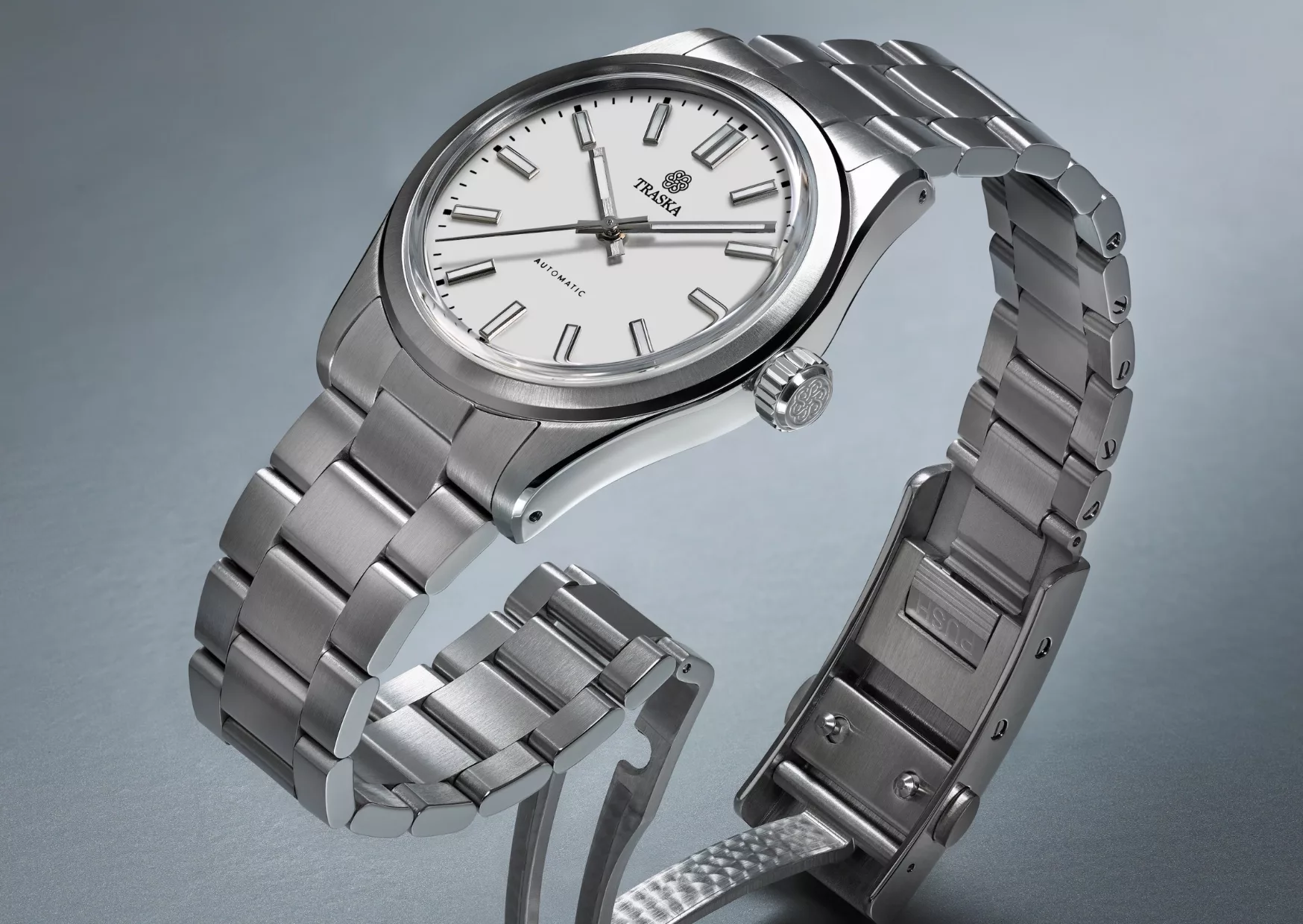
Traska Commuter 38 (Arctic White)
Clean, restrained, and highly versatile. Its balanced proportions, crisp white dial, and robust construction make it equally suitable for daily workwear, travel, and relaxed weekends without ever feeling out of place.
Statement Watches: When a Watch Becomes a Conversation Piece
A statement watch expresses individuality. It may feature distinctive colors, materials, or design elements, but it should still feel intentional and balanced.
How to wear a statement watch well:
- Make sure the size suits your wrist
- Pair it with simpler clothing to maintain balance
- Let the watch stand out without overpowering your overall look
A statement watch works best when it feels like a deliberate choice rather than an attempt to impress.
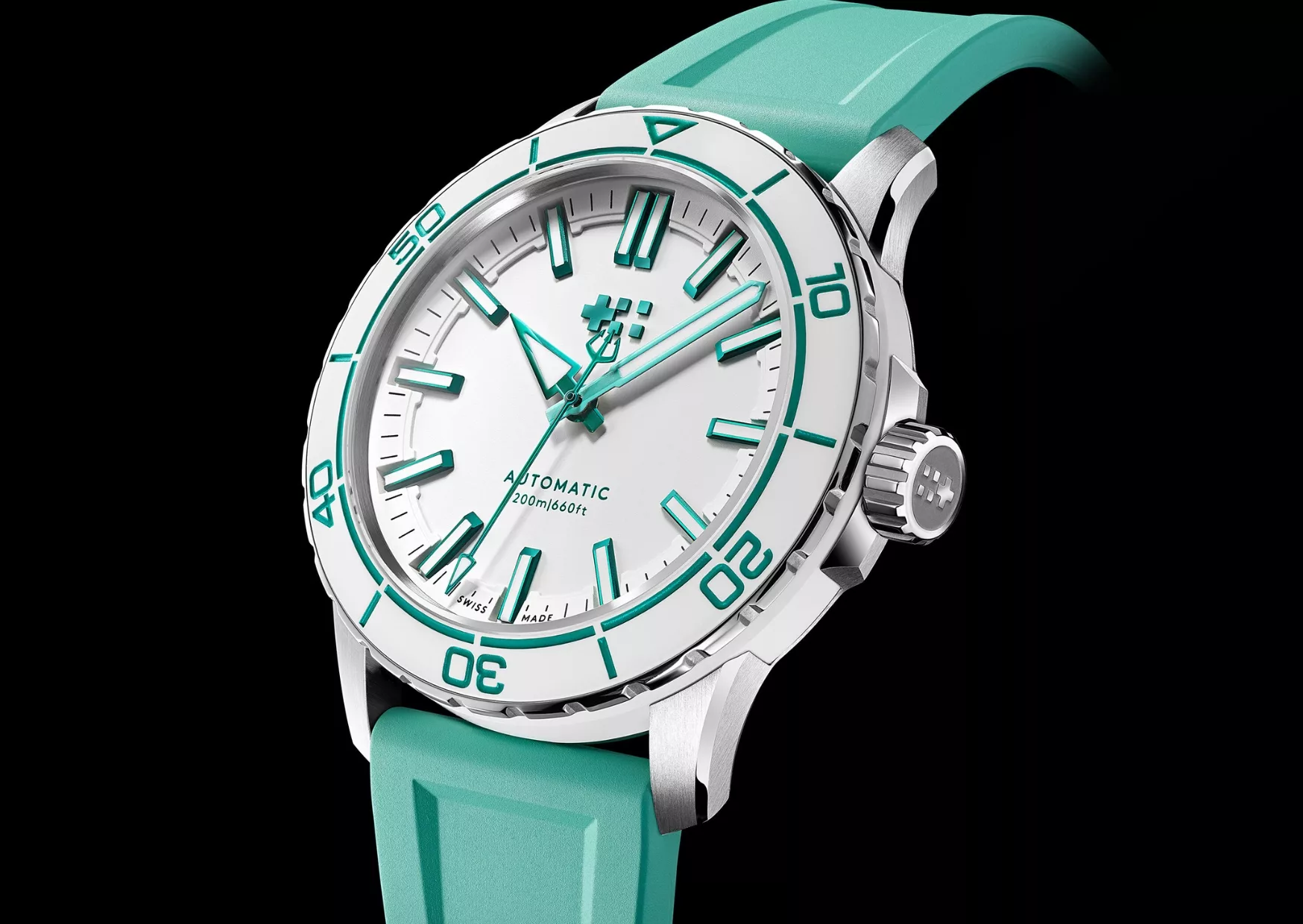
Christopher Ward C60 Trident Reef
Christopher Ward’s Reef takes the reliable Trident formula and injects it with bold, coral‑inspired colorways that feel fresh and fun without sacrificing build quality or practicality. This stands out as a more vibrant, expressive entry point into a traditionally serious dive lineup.
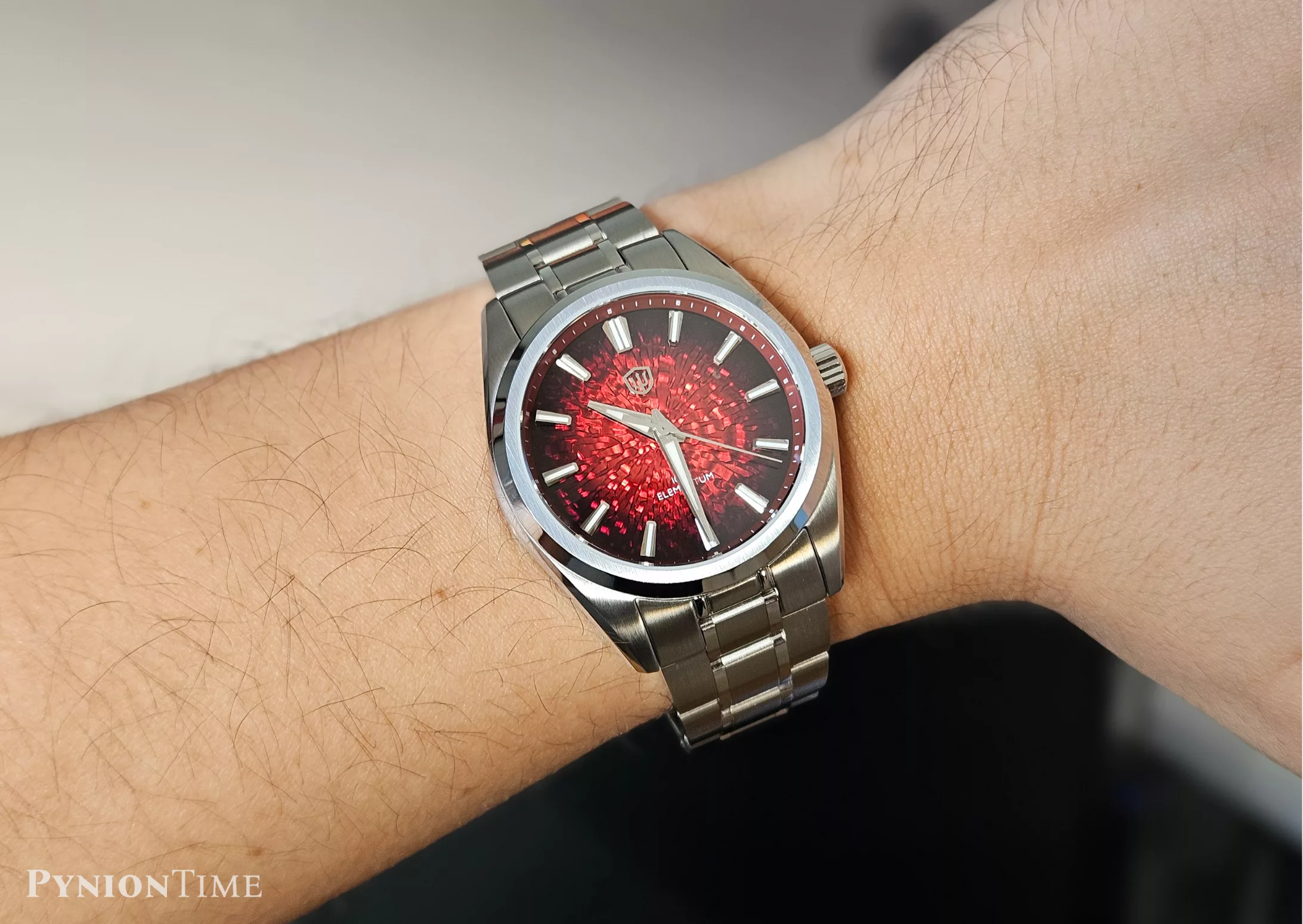
Watchdives WD0003C
With its striking ice‑crack inspired dial that looks like a slice of frozen magma, this piece manages to feel bold and artistic while staying extremely affordable.
Formal Occasions: The Role of the Dress Watch
Formal situations call for restraint and elegance. A dress watch should be discreet, refined, and easy to wear with tailored clothing.
Key characteristics of a dress watch:
- Slim case that fits comfortably under a shirt cuff
- Neutral dial colors that don’t distract
- Leather strap in classic tones such as black or brown
- Minimal complications or none at all
Avoid bulky cases, sporty features, or decorative excess. In formal settings, the watch should support the outfit, not compete with it.
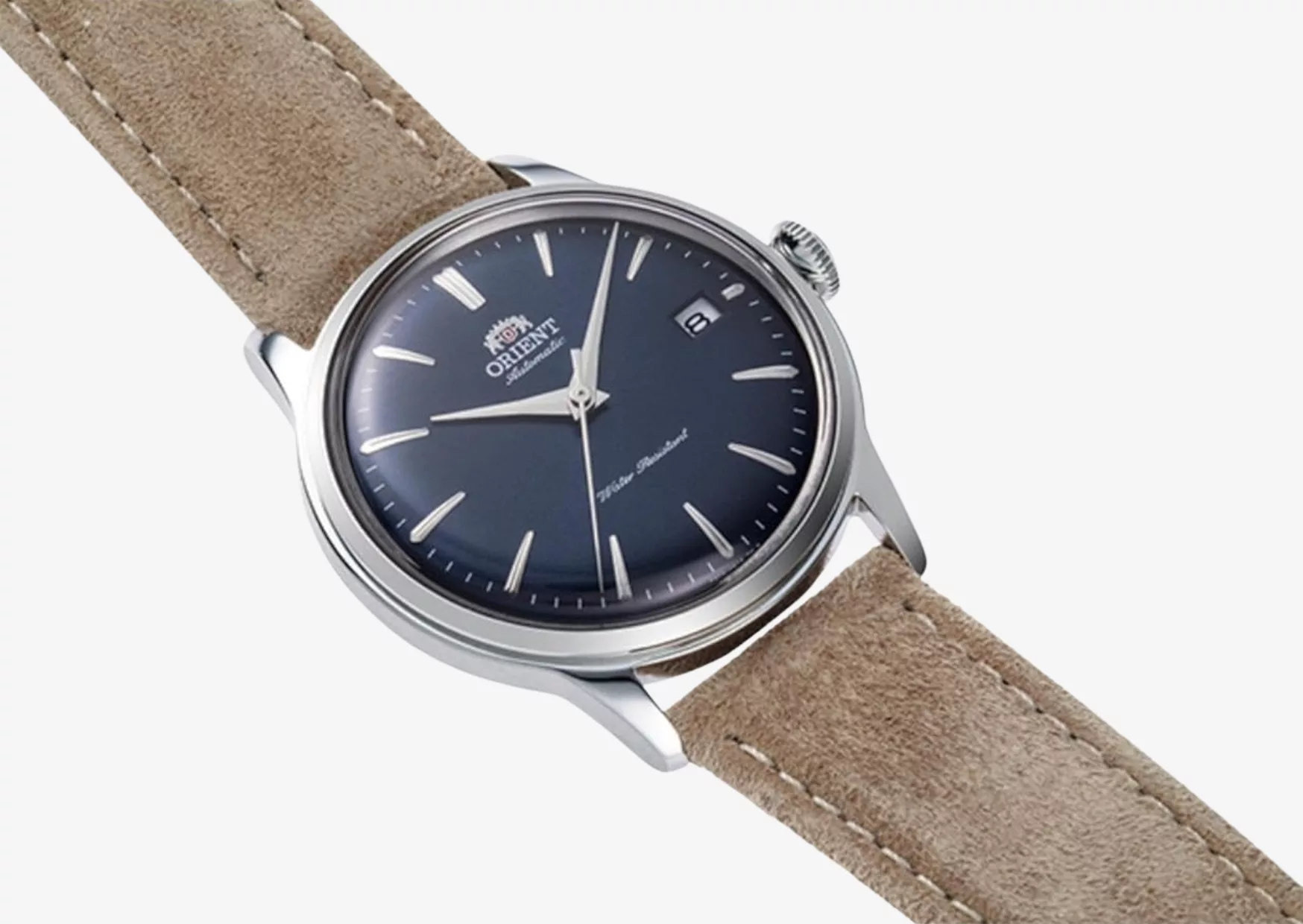
Orient Bambino RA-AC0M12L
A classic entry point into dress watches, offering timeless design at an accessible level. Its slim profile, domed crystal, and elegant dial make it ideal for formal settings or smart outfits. Check our in-depth review on it!
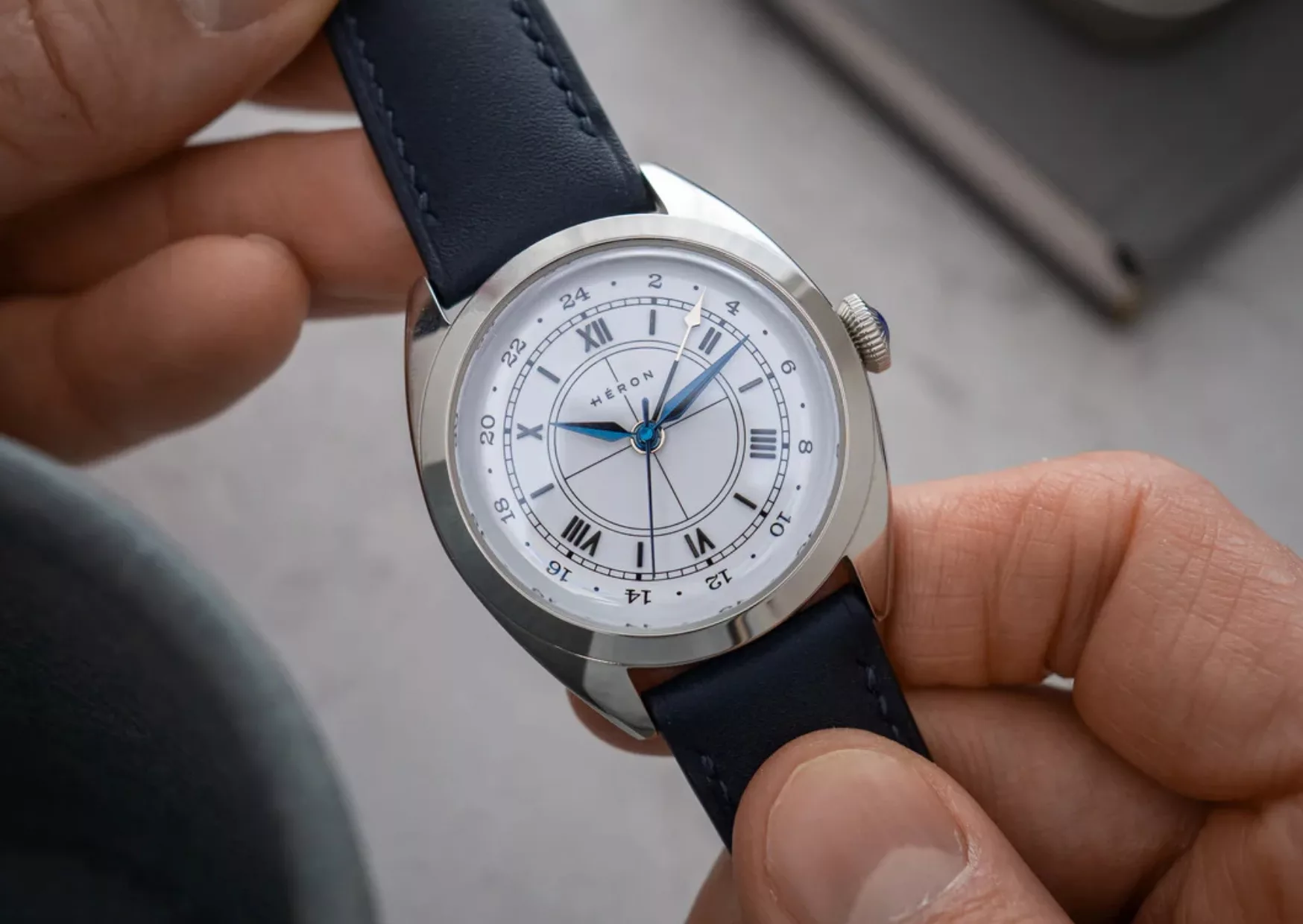
Héron Mirabel GMT
A contemporary dress watch, offering elegance without feeling traditional or dated. Its restrained case design, slim profile, and clean dial give it a refined presence that pairs naturally with tailored outfits, while the GMT complication adds quiet sophistication rather than visual noise.
Practical Watch Styling Tips
Matching Your Watch to Your Outfit
A watch should align with the rest of your accessories. Leather straps naturally complement leather shoes and belts, while metal bracelets work well with casual and business-casual outfits. Visual consistency creates a more polished appearance.
Fit, Comfort, and Placement
A watch should feel like a natural extension of your wrist, not something you’re constantly aware of. The case should sit flat, without overhanging the wrist, and the strap or bracelet should be snug enough to prevent sliding while still allowing slight movement. As a general rule, you should be able to fit one finger between the strap and your wrist comfortably.
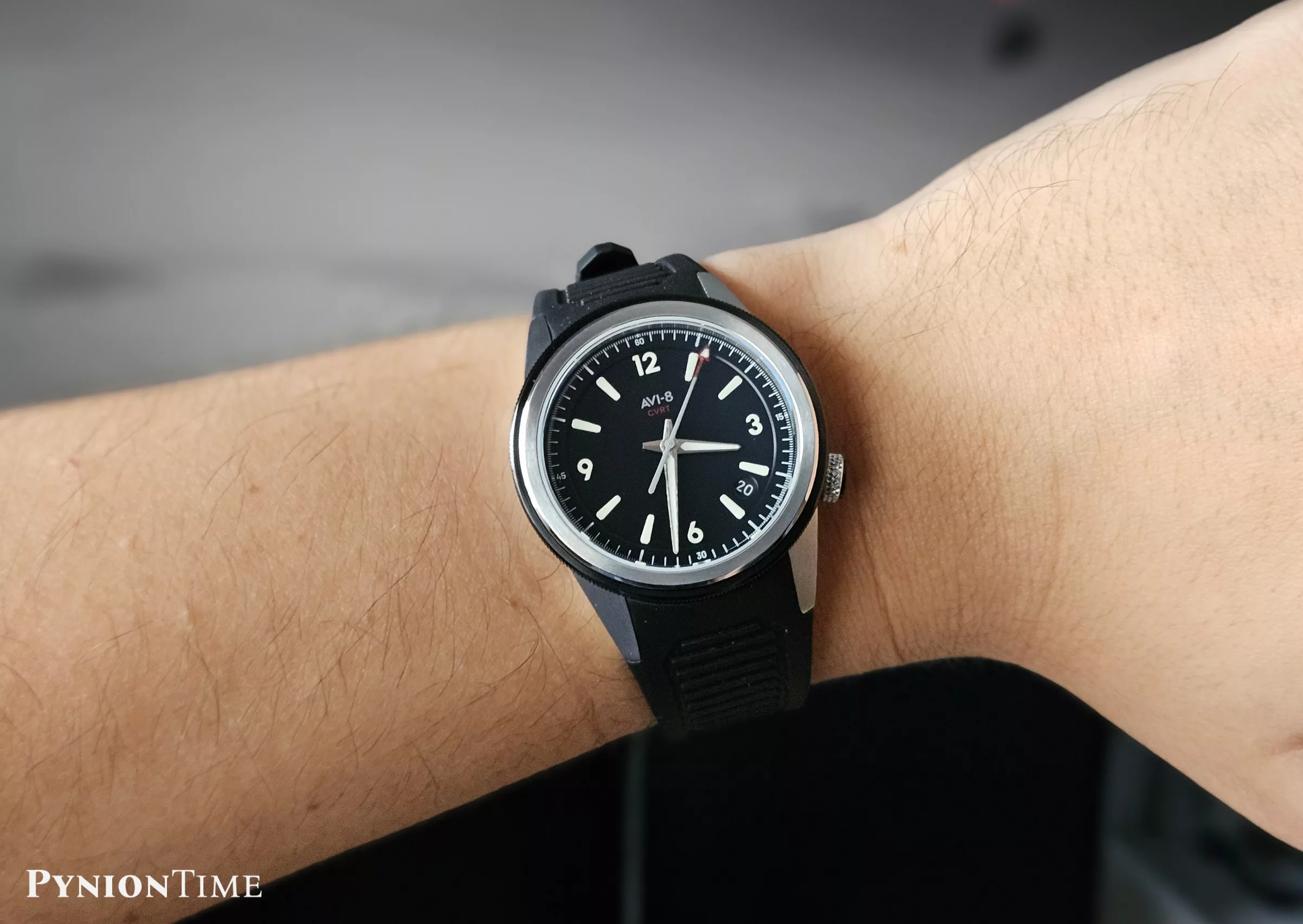
Placement also matters. Wearing the watch just above the wrist bone keeps it stable and prevents it from digging into your hand when you move. Most people wear their watch on the non-dominant hand, which improves comfort during daily activities and reduces wear over time. When fit and placement are right, the watch disappears on the wrist, and that’s exactly how it should feel.
Conclusion: Style Is in the Details
Wearing a watch well is about awareness, not rigid rules. Whether you choose a versatile GADA watch, a refined dress watch, or a bold statement piece, the key is intention. When your watch fits your wrist, matches the occasion, and aligns with your personality, it becomes more than an accessory, it becomes part of your presence.
Not sure which watch fits your style? Start with a simple rule: choose a versatile GADA watch under 40 mm, wear it above the wrist bone, and keep the design clean. From there, you can build a collection around your lifestyle.
Common Questions About Wearing a Watch
Traditionally watches are worn on the non-dominant hand, left wrist for right-handed people and vice-versa. This reduces knocks and keeps the crown easier to operate. That said, there’s no hard rule; comfort matters more than convention.
A watch should sit snug enough that it doesn’t slide over the wrist bone, but loose enough to fit a finger under the bracelet. If it leaves deep marks, it’s too tight; if the case rotates around the wrist, it’s too loose.
Ideally just above the wrist bone (ulna), not hanging onto the hand. This keeps the lugs aligned and makes the watch look intentional rather than like jewelry sliding around.
I wouldn’t. A suit calls for clean lines and quiet confidence, while most dive watches are loud, chunky tools. The two pull in opposite directions. If you’re dressing up, choose something slim and simple; leave the diver for casual days.